
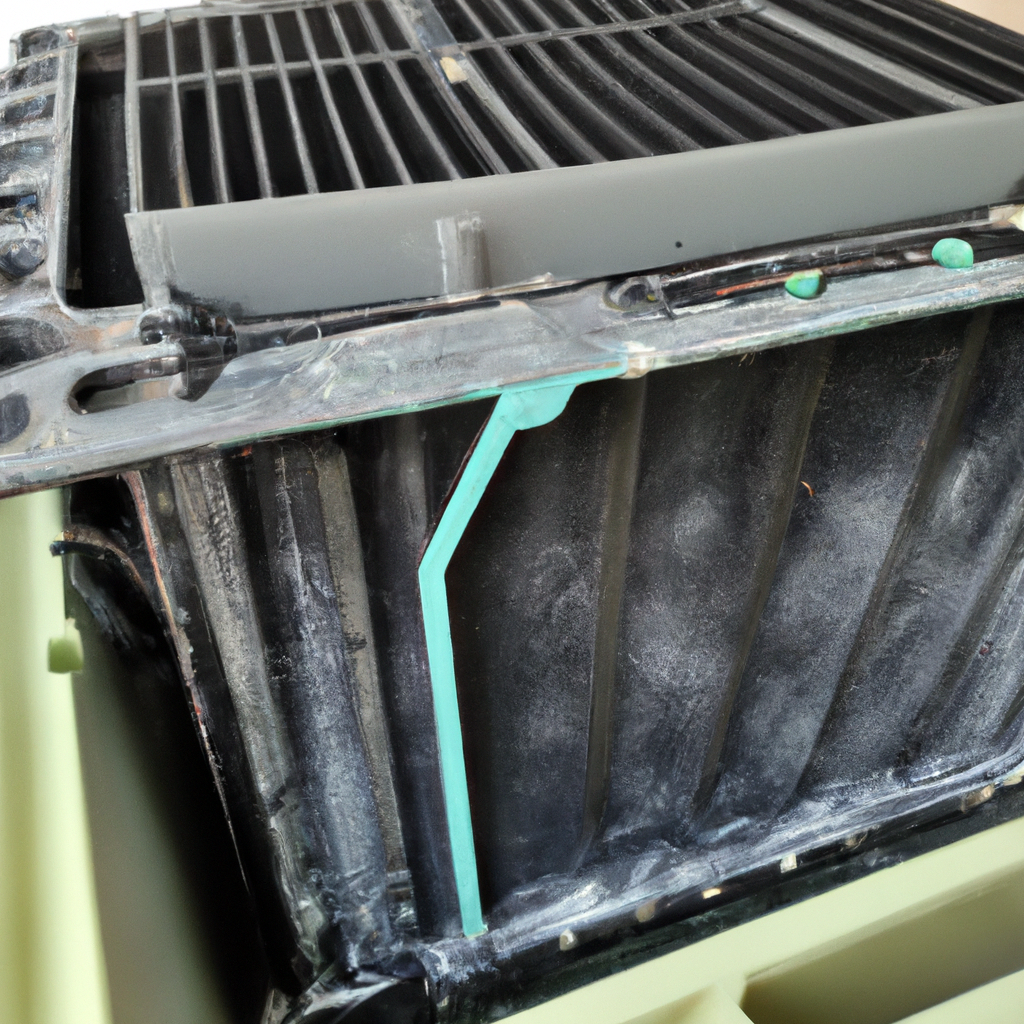
The Ultimate Guide to Air Conditioner Coil Cleaning
In Summary
Importance of Air Conditioner Coil Cleaning
Ensuring the cleanliness of your air conditioner coils is essential for the optimal functioning of your cooling system. Neglecting to clean the coils can lead to various problems and prevent your air conditioner from operating efficiently. In this section, we will explore why it is important to clean your air conditioner coils and the benefits of regular coil cleaning.
Why Clean Your Air Conditioner Coils?
Air conditioner coils, both the evaporator coils and condenser coils, play a crucial role in the cooling process. Over time, these coils can accumulate dust, dirt, and debris, inhibiting their ability to transfer heat effectively. When the coils are dirty, the cooling efficiency of your air conditioner decreases, leading to several issues.
Firstly, dirty coils restrict the airflow, making it harder for your air conditioner to cool the air efficiently. This results in reduced cooling capacity and longer cooling cycles, causing discomfort in your living space. Additionally, the air quality may suffer as the dirty coils can harbor allergens, mold, and bacteria, which can be detrimental to the respiratory health of you and your family.
Benefits of Regular Coil Cleaning
Regular coil cleaning provides several benefits that can help maintain the performance and longevity of your air conditioning system:
Improved Cooling Efficiency: Clean coils allow for better heat transfer, allowing your air conditioner to cool the air more efficiently. This helps to maintain a comfortable indoor temperature while reducing energy consumption and costs.
Increased Energy Efficiency: When coils are clean, your air conditioner doesn’t have to work as hard to cool the air. This results in lower energy consumption and reduced strain on the system, leading to potential savings on your energy bills.
Enhanced Air Quality: Clean coils contribute to better air quality by reducing the presence of allergens, mold, and bacteria. This is particularly important for individuals with respiratory conditions or allergies.
Extended Lifespan of Your Air Conditioner: By regularly cleaning your air conditioner coils, you can prevent the buildup of dirt and debris that can cause damage to the coils and other components. This promotes the longevity of your system, reducing the need for costly repairs or premature replacement.
To ensure that your air conditioner coils are properly cleaned, it is recommended to follow either DIY coil cleaning methods or hire a professional for professional coil cleaning services. Regular maintenance, including coil cleaning, is vital in keeping your air conditioner running smoothly and efficiently. For additional maintenance tips, such as air filter replacement and scheduling annual maintenance, refer to our article on air conditioner maintenance.
By understanding the importance of air conditioner coil cleaning and the benefits it provides, you can take proactive steps to maintain a clean and efficient cooling system in your home.
Understanding Air Conditioner Coils
To comprehend the importance of air conditioner coil cleaning, it’s essential to understand the two key types of coils found in air conditioning systems: evaporator coils and condenser coils.
Evaporator Coils
Evaporator coils play a crucial role in the cooling process of an air conditioner. Located inside the indoor unit, these coils absorb heat from the surrounding air. When warm air passes over the evaporator coils, the refrigerant within the coils absorbs the heat, causing the air to cool down. This cooled air is then circulated back into the room, providing a comfortable indoor environment.
Over time, the evaporator coils can accumulate dust, dirt, and other particles from the air. This buildup restricts the airflow and insulates the coils, hindering their ability to absorb heat effectively. As a result, the cooling efficiency of the air conditioner decreases, leading to reduced comfort and increased energy consumption. Regular cleaning of the evaporator coils is essential to maintain optimal cooling performance.
Condenser Coils
Condenser coils, on the other hand, are located in the outdoor unit of the air conditioner. These coils release the heat absorbed by the evaporator coils to the outside environment. As the refrigerant flows through the condenser coils, a fan blows air over them, allowing the heat to dissipate and cool down.
Similar to the evaporator coils, the condenser coils are also prone to accumulating dirt, debris, and even vegetation. This buildup acts as an insulating layer, preventing the coils from releasing heat efficiently. As a result, the air conditioner works harder to achieve the desired cooling, leading to increased energy consumption and potential damage to the compressor. Regular cleaning of the condenser coils is vital to maintain the overall performance and longevity of the air conditioning system.
Understanding the function and importance of both evaporator and condenser coils underscores the significance of regular air conditioner coil cleaning. By keeping these coils clean and free from debris, you can ensure optimal cooling efficiency, reduce energy consumption, and improve the overall lifespan of your air conditioning system.
Signs That Your Coils Need Cleaning
Regular maintenance of your air conditioner coils is essential to ensure optimal performance and efficiency. Over time, dirt, dust, and debris can accumulate on the coils, hampering their ability to transfer heat effectively. Here are three key signs that indicate it’s time to clean your air conditioner coils:
Reduced Cooling Efficiency
One of the primary functions of the air conditioner coils is to facilitate the transfer of heat. The evaporator coils absorb heat from the indoor air, while the condenser coils release heat to the outdoor environment. When these coils become dirty, their ability to transfer heat is compromised.
As a result, you may notice a decline in your air conditioner’s cooling efficiency. Your home may take longer to reach the desired temperature, or you may find that certain rooms are not adequately cooled. If you experience reduced cooling performance, it’s a clear indication that your coils need cleaning.
Increased Energy Consumption
Dirty coils can also lead to increased energy consumption. When the coils are coated with dirt and debris, they struggle to transfer heat effectively. As a result, your air conditioner has to work harder and run for longer periods to achieve the desired cooling.
This increase in operating time not only puts additional strain on your air conditioner but also leads to higher energy bills. By cleaning the coils regularly, you can ensure that your air conditioner operates efficiently and saves energy.
Poor Air Quality
Another sign that your coils need cleaning is poor air quality. When the coils are dirty, they can become a breeding ground for mold, bacteria, and other allergens. As the air passes over the contaminated coils, these pollutants can be released into your indoor air, causing respiratory issues and allergies.
If you notice an increase in dust particles, unpleasant odors, or allergic reactions among your household members, it’s crucial to inspect and clean your air conditioner coils. Doing so will help improve the air quality and create a healthier environment for you and your family.
Regularly cleaning your air conditioner coils not only ensures optimal performance but also extends the lifespan of your cooling system. If you’re unsure about how to clean the coils yourself, or if the coils require professional attention, it’s advisable to seek the assistance of a professional coil cleaning service. They have the expertise and tools to thoroughly clean the coils and restore your air conditioner’s efficiency.
In the next section, we will delve into the various DIY coil cleaning methods you can employ to maintain the cleanliness of your coils. Stay tuned to learn the step-by-step process and gather the necessary tools for effective coil cleaning.
DIY Coil Cleaning Methods
Regular coil cleaning is essential for maintaining the efficiency and longevity of your air conditioner. By removing dirt, dust, and debris from the evaporator and condenser coils, you can ensure optimal cooling performance. Here are the steps involved in cleaning both types of coils.
Gathering the Necessary Tools
Before you begin the coil cleaning process, gather the following tools and materials:
- Screwdriver: You may need a screwdriver to remove the access panel and expose the coils.
- Coil Cleaning Solution: Use a commercially available coil cleaning solution or a mixture of mild detergent and water.
- Spray Bottle: Fill a spray bottle with the coil cleaning solution for easy application.
- Soft Brush: Use a soft brush, such as a nylon brush, to gently scrub the coils and remove stubborn dirt.
- Garden Hose: A garden hose with a spray nozzle attachment will help rinse off the cleaning solution and debris.
- Protective Gear: Wear gloves, safety glasses, and a dust mask to protect yourself from any cleaning chemicals or allergens.
Step-by-Step Guide to Cleaning Evaporator Coils
- Turn off the power: Before cleaning the evaporator coils, turn off the power supply to the air conditioner. This ensures your safety during the cleaning process.
- Access the coils: Remove the access panel to expose the evaporator coils. Depending on the air conditioner model, you may need to unscrew or unlatch the panel.
- Apply the cleaning solution: Spray the coil cleaning solution evenly onto the coils, focusing on areas with visible dirt or debris. Be cautious not to oversaturate the coils or allow the solution to drip into electrical components.
- Gently scrub the coils: Use a soft brush to gently scrub the coils, loosening any stubborn dirt or buildup. Be careful not to apply excessive pressure or bend the delicate fins of the coils.
- Rinse the coils: Attach a spray nozzle to your garden hose and rinse off the cleaning solution, starting from the top and working your way down. Ensure that the water pressure is not too high to avoid damaging the coils.
- Allow the coils to dry: After rinsing, let the coils air dry completely before reinstalling the access panel. This may take several hours, depending on the humidity level.
- Restore power: Once the coils are dry, turn the power supply back on and test the air conditioner to ensure it is functioning correctly.
Step-by-Step Guide to Cleaning Condenser Coils
- Turn off the power: As with cleaning the evaporator coils, start by turning off the power supply to the air conditioner to ensure your safety.
- Access the coils: Locate the outdoor unit and remove any debris, such as leaves or twigs, from the surrounding area. Remove the access panel to expose the condenser coils.
- Remove loose debris: Use a soft brush or a gloved hand to remove any loose debris from the coils, such as grass clippings or dirt. Take care not to damage the fins.
- Apply the cleaning solution: Spray the coil cleaning solution onto the coils, focusing on areas with visible dirt or buildup. Avoid oversaturating the coils or allowing the solution to come into contact with electrical components.
- Let the solution sit: Allow the cleaning solution to sit on the coils for a few minutes to loosen any stubborn dirt or grime.
- Rinse the coils: Using a garden hose with a spray nozzle attachment, rinse off the cleaning solution and debris from the coils. Start from the top and work your way down, ensuring that the water pressure is not too high.
- Remove water buildup: Check the drain pan beneath the condenser unit and remove any standing water or debris to prevent mold or mildew growth.
- Restore power: Once the coils are clean and dry, reinstall the access panel and restore the power supply. Test the air conditioner to ensure it is functioning properly.
Regular cleaning of both the evaporator and condenser coils will help maintain the efficiency of your air conditioner and prolong its lifespan. Remember to refer to your air conditioner’s user manual for specific instructions and safety precautions. If you prefer to leave the coil cleaning to the professionals, consider hiring a professional coil cleaning service.
Professional Coil Cleaning Services
While DIY coil cleaning can be effective for regular maintenance, there are instances when it’s best to consider professional coil cleaning services. These services are especially valuable when dealing with more complex air conditioning systems or when the coils require deep cleaning. Let’s explore when to consider professional cleaning, the benefits of hiring a professional, and what to expect from the process.
When to Consider Professional Cleaning
Professional coil cleaning is recommended under the following circumstances:
Severe dirt and debris buildup: If your air conditioner coils are heavily soiled or clogged with dirt, dust, or other debris, professional cleaning can ensure thorough removal.
Difficult-to-access coils: Some air conditioning systems have coils that are difficult to reach or require specialized tools for cleaning. In such cases, professionals have the expertise and equipment to clean these coils effectively.
Complex HVAC systems: If you have a complex HVAC system with multiple coils, including those in ductwork or in hard-to-reach areas, professional cleaning can help ensure all coils are properly cleaned and maintained.
Persistent issues: If you’re experiencing ongoing issues with reduced cooling efficiency, increased energy consumption, or poor air quality despite regular DIY cleaning, it may be time to seek professional assistance.
Benefits of Hiring a Professional
Hiring a professional for coil cleaning offers several benefits:
Expertise and experience: Professionals are trained in coil cleaning techniques and have experience working with a variety of air conditioning systems. They can efficiently identify and address specific issues related to your coils.
Thorough cleaning: Professional cleaning ensures a deep and thorough cleaning of your air conditioner coils, removing stubborn dirt, grime, and buildup that DIY methods may not effectively eliminate.
Preventive maintenance: Professionals can identify potential issues or signs of damage that may require repair or replacement, helping you avoid more costly repairs in the future.
Time and convenience: Hiring a professional saves you time and effort, allowing you to focus on other tasks while leaving the cleaning to experts who can complete the job efficiently.
What to Expect from Professional Coil Cleaning
When you hire a professional for coil cleaning, the process typically includes:
Inspection: The professional will inspect your air conditioning system, assess the condition of the coils, and determine the extent of cleaning required.
Cleaning method: The professional will use appropriate cleaning methods, such as pressure washing or chemical cleaning, depending on the type and condition of the coils.
Coil protection: After cleaning, professionals may apply a protective coating or treatment to prevent future buildup and extend the lifespan of the coils.
Comprehensive service: In addition to coil cleaning, professionals may also inspect other components of your air conditioning system to ensure optimal performance and identify any potential issues.
Remember, regular maintenance and cleaning of your air conditioner coils, whether DIY or professional, are essential for efficient operation and prolonging the lifespan of your system. By considering professional coil cleaning services when necessary, you can ensure the best possible care for your air conditioning system. For more information on maintaining your air conditioner, check out our article on air conditioner maintenance.
Maintenance Tips for Clean Coils
To ensure the longevity and efficiency of your air conditioner, regular maintenance is essential. Here are some maintenance tips specifically focused on keeping your air conditioner coils clean and in optimal condition.
Regular Air Filter Replacement
One of the most important maintenance tasks for clean coils is regular air filter replacement. Air filters play a crucial role in preventing dust, dirt, and debris from entering the air conditioning system. Over time, these particles can accumulate on the coils, reducing their effectiveness and impeding proper airflow.
By replacing the air filter according to the manufacturer’s recommendations, typically every 30 to 90 days depending on usage and filter type, you can minimize the amount of debris that reaches the coils. This helps to maintain their efficiency and prevent potential issues such as reduced cooling capacity and increased energy consumption.
Keeping the Surrounding Area Clean
Another important aspect of coil maintenance is keeping the surrounding area clean. Ensure that there is no debris, leaves, or vegetation obstructing the outdoor unit, particularly the condenser coils. Leaves and other debris can accumulate on the coils, reducing airflow and hindering heat transfer.
Regularly inspect the area around the outdoor unit and remove any obstructions. Trim back vegetation to maintain a clear space of at least two feet around the unit. This allows for proper airflow and ensures that the coils can effectively release heat into the environment.
Scheduling Annual Maintenance
In addition to regular air filter replacement and keeping the surrounding area clean, it’s highly recommended to schedule annual maintenance with a professional HVAC technician. During this maintenance visit, the technician can thoroughly inspect and clean the coils, among other components, to ensure optimal performance and energy efficiency.
Professional coil cleaning involves a more in-depth cleaning process, utilizing specialized tools and techniques to remove dirt and debris that may have accumulated deep within the coils. This thorough cleaning helps to restore the coils’ efficiency and may even extend the lifespan of your air conditioning system.
By following these maintenance tips, including regular air filter replacement, keeping the surrounding area clean, and scheduling annual maintenance, you can help maintain clean coils and ensure that your air conditioner operates at its best. Clean coils contribute to improved cooling efficiency, lower energy consumption, and better indoor air quality, providing you with a comfortable and healthy living environment.