
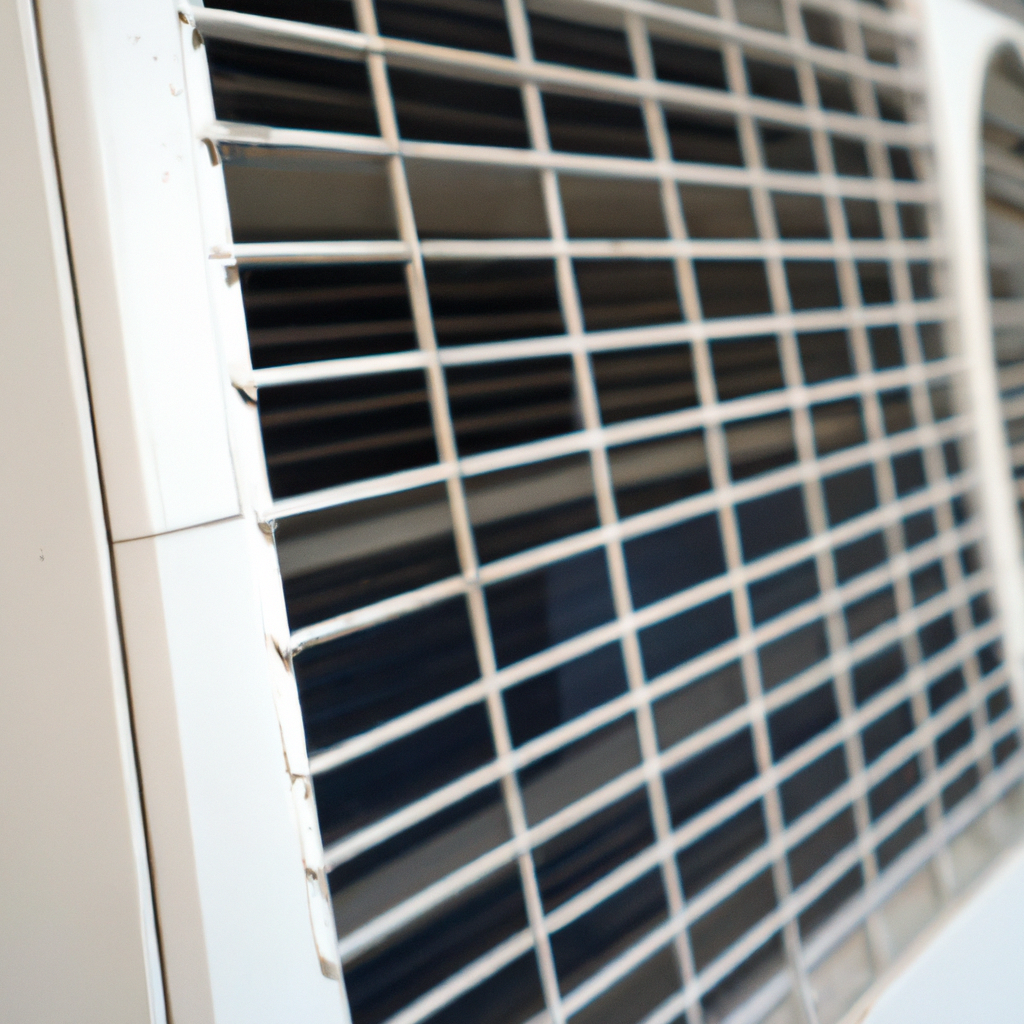
Supercharge Your Air Conditioner: Top Condenser Upgrades for Homeowners
In Summary
To supercharge your air conditioner, homeowners can consider upgrading the condenser unit. Some top condenser upgrades include installing a variable-speed compressor for improved efficiency, adding a smart thermostat for remote control and energy savings, and ensuring proper maintenance by cleaning coils and replacing air filters regularly to maximize performance and lifespan.
Understanding the Air Conditioner Condenser
To fully comprehend the workings of an air conditioning system, it’s essential to understand the air conditioner condenser, a vital component responsible for the cooling process. This section will delve into the role of the air conditioner condenser and how it works.
The Role of the Air Conditioner Condenser
The air conditioner condenser plays a crucial role in the cooling cycle of an air conditioning system. Its primary function is to release the heat absorbed from the indoor air to the outside environment.
Once the warm indoor air passes through the evaporator coil in the indoor unit, the refrigerant inside the system absorbs the heat, transforming from a low-pressure gas to a high-pressure, high-temperature gas. This heated refrigerant is then sent to the air conditioner condenser.
How the Condenser Works
The air conditioner condenser is typically located outside the home, as it requires ample space and ventilation. It consists of several key components, including the compressor, condenser coil, fan, and refrigerant lines.
Compressor: The high-pressure, high-temperature refrigerant gas enters the condenser and is compressed by the compressor. This compression increases the temperature and pressure of the refrigerant even further.
Condenser Coil: As the refrigerant flows through the condenser coil, it releases heat to the surroundings. The condenser coil is designed with a large surface area to facilitate efficient heat transfer. The heat dissipates into the outdoor air, cooling the refrigerant and causing it to condense into a high-pressure liquid.
Fan: The condenser unit also contains a fan that blows air over the condenser coil, assisting in the heat dissipation process. The airflow promotes efficient cooling of the refrigerant and helps maintain optimal operating conditions.
Refrigerant Lines: The refrigerant, now in liquid form, flows through the refrigerant lines back to the indoor unit to repeat the cooling cycle.
By releasing the absorbed heat outdoors, the air conditioner condenser ensures that the cooling process remains effective. It plays a vital role in maintaining a comfortable indoor environment during hot weather conditions.
Understanding the role and operation of the air conditioner condenser is crucial for homeowners, as it helps them comprehend the overall functioning of their air conditioning system. Regular maintenance and care of the condenser, such as cleaning and inspection, are essential to ensure optimal performance. For more information on air conditioner maintenance, you can refer to our article on air conditioner maintenance.
Benefits of Upgrading Your Condenser
Upgrading the condenser of your air conditioner can bring several advantages that enhance its overall performance. Let’s explore the key benefits of upgrading your air conditioner condenser: improved energy efficiency, enhanced cooling performance, and an extended lifespan for your air conditioner.
Improved Energy Efficiency
One of the primary benefits of upgrading your condenser is improved energy efficiency. Newer condensers are designed with advanced technologies that optimize the cooling process while consuming less energy. These technologies include variable-speed compressors, high-efficiency condenser coils, and advanced refrigerant technology.
By upgrading to a more energy-efficient condenser, you can reduce your energy consumption, which in turn leads to lower energy bills. The improved efficiency not only benefits your wallet but also contributes to a greener environment by reducing your carbon footprint.
Enhanced Cooling Performance
An upgraded condenser can significantly enhance the cooling performance of your air conditioner. Newer condensers deliver more precise temperature control, ensuring that your home remains comfortable even during extreme weather conditions. The advanced technologies in modern condensers allow for faster cooling, more consistent airflow, and better humidity control.
With an enhanced cooling performance, you can enjoy a more comfortable living environment, especially during hot summer months. The upgraded condenser will efficiently cool your home, providing relief from the heat and creating a pleasant indoor atmosphere.
Extended Lifespan of the Air Conditioner
Upgrading the condenser of your air conditioner can also contribute to an extended lifespan of the entire system. Older condensers may experience wear and tear over time, leading to reduced efficiency and potential breakdowns. By upgrading to a new condenser with improved technology, you can extend the lifespan of your air conditioner and minimize the need for costly repairs.
Newer condensers are designed with durability and reliability in mind, allowing them to withstand the demands of regular use. Additionally, the advanced features and technologies in upgraded condensers help protect the system from excessive strain, ensuring that it continues to operate efficiently for years to come.
By considering the benefits of upgrading your condenser, such as improved energy efficiency, enhanced cooling performance, and an extended lifespan, you can make an informed decision about optimizing your air conditioner system. Remember to consult with a professional to determine the compatibility of the new condenser with your existing system and to ensure proper installation. Regular maintenance and care, such as cleaning and inspection, filter replacement, and professional services, are also essential to keep your air conditioner running smoothly.
Upgrading Your Air Conditioner Condenser
To optimize the performance and efficiency of your air conditioner, upgrading the condenser can make a significant difference. Here are three key condenser upgrades that can supercharge your cooling system:
High-Efficiency Condenser Coils
Upgrading to high-efficiency condenser coils can greatly enhance the overall performance of your air conditioner. These coils are designed to maximize heat transfer and minimize energy loss, resulting in improved cooling efficiency. High-efficiency coils are typically made from materials such as copper or aluminum, which have excellent heat conductivity properties.
The increased heat transfer efficiency of high-efficiency condenser coils allows your air conditioner to cool the air more effectively, reducing the time it takes to reach the desired temperature. This not only improves comfort but also helps to save energy and reduce utility costs.
Variable-Speed Compressors
Another valuable condenser upgrade is the installation of a variable-speed compressor. Unlike traditional single-speed compressors, variable-speed compressors can adjust their speed according to the cooling demand. This allows the air conditioner to operate at lower speeds when less cooling is required, resulting in reduced energy consumption.
By operating at lower speeds, variable-speed compressors provide more consistent and precise temperature control, ensuring a comfortable environment at all times. Additionally, the ability to adjust the compressor speed reduces wear and tear on the components, potentially extending the lifespan of your air conditioner.
Advanced Refrigerant Technology
Upgrading to an air conditioner that utilizes advanced refrigerant technology is a significant step toward energy efficiency. Newer refrigerants, such as R-410A and R-32, have a lower impact on the environment compared to older refrigerants like R-22. These advanced refrigerants offer improved cooling performance while minimizing greenhouse gas emissions.
Additionally, air conditioners with advanced refrigerant technology often incorporate features like improved leak detection and automatic refrigerant charge adjustment. These advancements help to maintain optimal refrigerant levels, ensuring efficient and reliable operation.
When considering condenser upgrades, it’s important to consult with a professional to determine the compatibility of these upgrades with your existing system. They can assess your current setup and recommend the most suitable options for your specific requirements. Furthermore, it’s essential to weigh the initial cost of the upgrades against the potential long-term energy savings they can provide. Professional installation is also crucial to ensure proper setup and performance.
By upgrading your air conditioner condenser with high-efficiency condenser coils, variable-speed compressors, and advanced refrigerant technology, you can maximize the energy efficiency, cooling performance, and longevity of your cooling system. Regular maintenance and care, such as cleaning and inspection and filter replacement, are also essential to keep your air conditioner running smoothly. For more information on maintaining your air conditioner, check out our article on air conditioner maintenance.
Factors to Consider
When considering an upgrade for your air conditioner condenser, there are several important factors to take into account. These factors can help guide your decision-making process and ensure that you choose the right condenser for your needs. Consider the following:
Compatibility with Existing System
Before upgrading your air conditioner condenser, it’s essential to ensure compatibility with your existing system. Different air conditioning systems may have specific requirements and specifications that need to be met for optimal performance. Consult with a professional or refer to your system’s documentation to determine the compatibility of the condenser with your current setup. This step will help avoid any potential compatibility issues and ensure a seamless integration.
Cost vs. Energy Savings
An important consideration when upgrading your condenser is the cost-effectiveness of the upgrade in terms of energy savings. While newer condensers may come with a higher initial cost, they often offer improved energy efficiency. This can result in long-term energy savings and potentially offset the initial investment. Evaluate the energy efficiency ratings and estimated savings of different condenser options to make an informed decision. Keep in mind that energy savings can vary depending on factors such as climate, usage patterns, and insulation levels in your home.
Professional Installation Considerations
Upgrading your air conditioner condenser typically requires professional installation. It’s crucial to consider the installation process and any associated costs when planning your upgrade. Professional installation ensures that the condenser is correctly installed, maximizing its performance and lifespan. Additionally, professional installation may be required to maintain the manufacturer’s warranty. Consult with HVAC professionals to obtain quotes and understand the installation requirements to make an informed decision.
By considering compatibility, cost-effectiveness, and professional installation, you can make an informed decision when upgrading your air conditioner condenser. Taking these factors into account will help ensure that the upgrade aligns with your system’s needs and provides the desired benefits in terms of energy efficiency and performance. If you’re looking for more information about air conditioner maintenance, check out our article on air conditioner maintenance.
Maintenance and Care
To keep your air conditioner condenser functioning optimally, regular cleaning and inspection, filter replacement, and occasional professional maintenance services are essential. Proper maintenance ensures that your condenser operates efficiently, extends its lifespan, and helps prevent potential issues.
Regular Cleaning and Inspection
Regular cleaning and inspection of your air conditioner condenser is vital to maintain its performance. Here are a few steps to follow:
Turn off the power: Before starting any cleaning or inspection, make sure to turn off the power to the air conditioner condenser unit. This ensures your safety during the process.
Remove debris: Clear away any debris, leaves, or twigs from the condenser unit. These can obstruct airflow and reduce the efficiency of the system. Use a brush or a soft cloth to gently clean the exterior surfaces.
Clean the condenser coils: The condenser coils are responsible for transferring heat from the indoor air to the outside. Over time, these coils can accumulate dirt, dust, and debris, hindering their ability to dissipate heat effectively. Use a soft brush or a vacuum cleaner with a brush attachment to gently clean the coils. Be careful not to damage the delicate fins.
Inspect the fan: Check the fan blades for any signs of damage or excessive dirt buildup. Clean the fan blades if necessary and ensure that they rotate freely.
Inspect the refrigerant lines: Inspect the refrigerant lines for any signs of damage, such as cracks or leaks. If you notice any issues, it is best to contact a professional for repairs.
Filter Replacement
Regular filter replacement is crucial to maintain the efficiency of your air conditioner condenser. Clogged or dirty filters restrict airflow, reducing cooling performance and increasing energy consumption. Follow these steps for proper filter replacement:
Locate the air filter: The air filter is usually located near the air handler or in the return air grille. Refer to your air conditioner’s user manual for specific instructions on locating the filter.
Check the filter condition: Inspect the filter for dirt, dust, or debris. If the filter appears dirty or clogged, it’s time for a replacement.
Choose the right filter: Select the appropriate filter type and size for your air conditioner condenser. Refer to the manufacturer’s recommendations or consult a professional if you’re unsure.
Replace the filter: Carefully remove the old filter and replace it with a new one. Make sure the filter is properly aligned and securely in place.
Regular filter replacement helps maintain proper airflow, improves indoor air quality, and reduces strain on your air conditioner system. Refer to our article on air conditioner filter replacement for more detailed information.
Professional Maintenance Services
While regular cleaning and filter replacement are important, it’s also beneficial to schedule professional maintenance services for your air conditioner condenser. Professional technicians have the expertise to perform in-depth inspections, identify potential issues, and provide necessary repairs. They can also perform tasks such as coil cleaning, electrical component inspections, and refrigerant level checks to ensure optimal performance.
By investing in professional maintenance services, you can address any underlying problems before they escalate and ensure that your air conditioner condenser operates at its best. Regular maintenance can also help maintain your manufacturer’s warranty and extend the lifespan of your system.
Remember, proper maintenance and care of your air conditioner condenser contribute to its longevity, energy efficiency, and cooling performance. By following these maintenance practices, you can enjoy reliable and efficient cooling for years to come.