
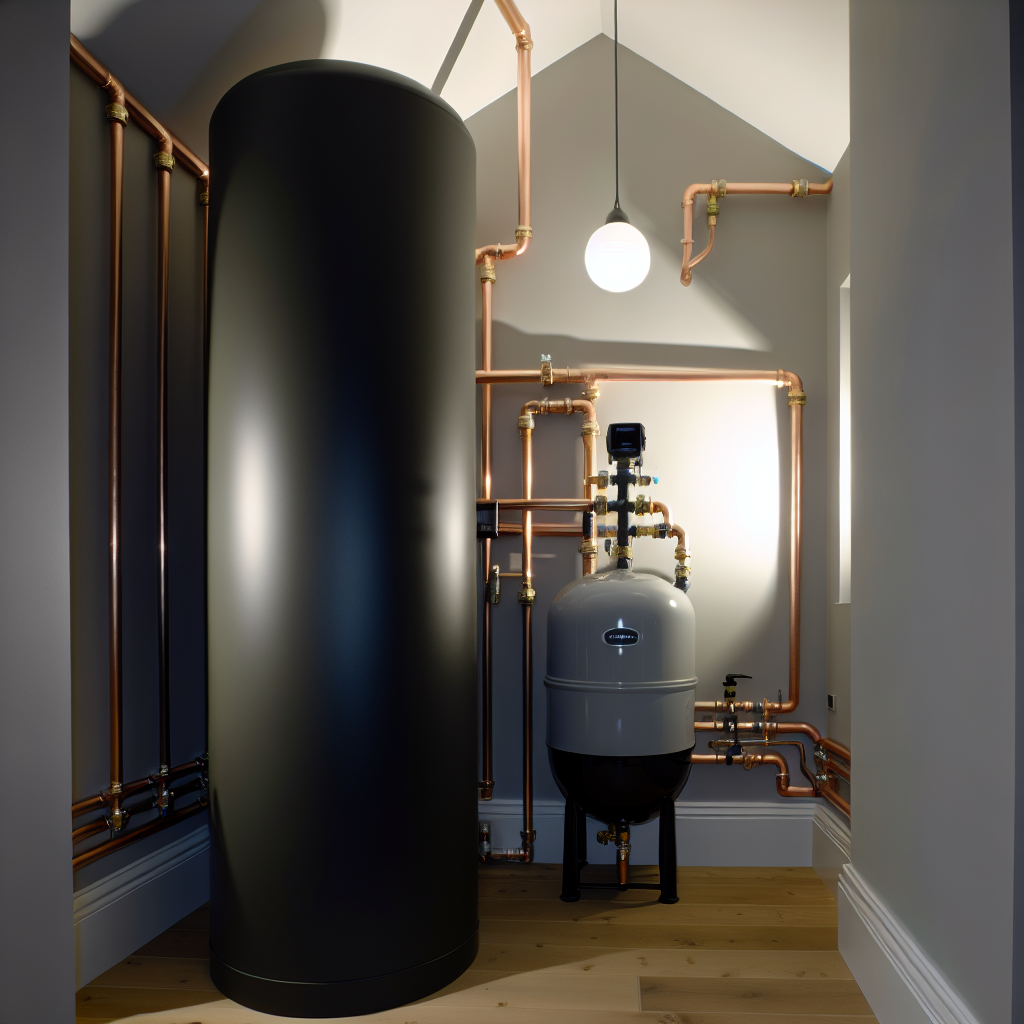
Safeguard Your Heating System: The Right Buffer Tank Materials for You
In Summary
Buffer tank materials are the materials used in the construction of buffer tanks, which are large containers used to store and regulate fluid or gas temperatures. These materials should be durable, corrosion-resistant, and have good thermal conductivity to ensure efficient energy transfer and long-term performance.
Understanding Buffer Tanks
When it comes to heating, cooling, and hot water systems, buffer tanks play a crucial role in optimizing energy efficiency and system performance. Let’s explore what a buffer tank is and why it is important in these systems.
What is a Buffer Tank?
A buffer tank is a storage vessel that is integrated into heating, cooling, and hot water systems. It is designed to store excess energy or heat for later use, helping to balance out fluctuations in demand and supply. The buffer tank acts as a reservoir, absorbing energy during periods of high supply and releasing it during periods of high demand. This process helps to prevent system inefficiencies and ensures a more stable and consistent output of energy.
The size of the buffer tank can vary depending on the specific system requirements. Proper buffer tank sizing is essential to ensure optimal performance and efficiency. By carefully calculating the system’s needs, professionals can determine the appropriate capacity and dimensions of the buffer tank.
Importance of Buffer Tanks
Buffer tanks serve several important functions in heating, cooling, and hot water systems. Their main purpose is to provide thermal storage, allowing excess energy or heat to be stored and used when needed. This helps to prevent short cycling of heating or cooling equipment, which can lead to energy waste and reduced system lifespan.
Moreover, buffer tanks help to manage volume fluctuations and variations in influent loads, as mentioned by VITO. They play a crucial role in avoiding or limiting peaks in wastewater volume and concentration, preventing issues such as odor problems, foam production, and precipitation caused by acidification reactions or other reactions in wastewater systems.
In addition, buffering is used in almost all purification processes and sectors to manage volume fluctuations and variations in influent loads, as highlighted by VITO. This is important in processes with batch operations, periods of stasis during the night or weekends, and the start-up or termination of processes.
Choosing the right buffer tank material is crucial to ensure longevity, performance, and resistance to corrosion. Different materials, such as stainless steel, polyethylene, fiberglass, thermoplastic, carbon steel, and glass-lined steel, have varying properties and benefits. The material should be compatible with the specific system requirements and the type of fuel being used, as certain fuels can be more corrosive than others .
Understanding the purpose and importance of buffer tanks in heating, cooling, and hot water systems is essential for homeowners. By consulting with professionals and selecting the right buffer tank material, you can safeguard your heating system and optimize its performance and energy efficiency.
Materials for Buffer Tanks
When it comes to choosing the right material for your buffer tank, there are several options available. Each material has its own unique properties and benefits. In this section, we will explore the most common materials used for buffer tanks: stainless steel, polyethylene, fiberglass, thermoplastic, carbon steel, and glass-lined steel.
Stainless Steel Buffer Tanks
Stainless steel is a popular choice of material for buffer tanks due to its durability, resistance to corrosion, and hygienic properties. It is known for its strength and ability to withstand high temperatures, making it suitable for various applications. Stainless steel buffer tanks offer excellent thermal conductivity, allowing for efficient heat transfer. Moreover, they are easy to clean and maintain, making them a reliable choice for long-term use.
Polyethylene Buffer Tanks
Polyethylene tanks are another commonly used material for buffer tanks. They are valued for their durability, low cost, and resistance to corrosion. Polyethylene buffer tanks are lightweight and easy to install, making them a convenient option for both residential and commercial applications. They are also known for their excellent chemical resistance, ensuring the longevity of the tank.
Fiberglass Buffer Tanks
Fiberglass tanks are popular for buffer tanks due to their strength, corrosion resistance, and ability to withstand high temperatures. They are made from layers of fiberglass and resin, resulting in a strong and durable tank. Fiberglass buffer tanks are known for their excellent thermal insulation properties, reducing heat loss and optimizing energy efficiency.
Thermoplastic Buffer Tanks
Thermoplastic tanks, such as polypropylene, are also suitable for buffer tanks due to their chemical resistance and durability. They offer excellent corrosion resistance, making them suitable for various heating and cooling systems. Thermoplastic buffer tanks are lightweight, easy to install, and require minimal maintenance.
Carbon Steel Buffer Tanks
Carbon steel tanks are cost-effective and durable, making them a popular choice for buffer tanks. They can withstand high pressures and temperatures, making them suitable for demanding applications. However, carbon steel tanks may require additional maintenance to prevent corrosion. Regular inspection and protective coatings can help extend their lifespan.
Glass-Lined Steel Buffer Tanks
Glass-lined steel tanks combine the best qualities of both carbon steel and glass, providing excellent corrosion resistance and high thermal conductivity. The steel tank is lined with a layer of glass, creating a barrier that protects against corrosion and chemical reactions. Glass-lined steel buffer tanks are durable and have a long lifespan. They are suitable for various heating and cooling systems, ensuring optimal performance.
By understanding the different materials available for buffer tanks, you can make an informed decision based on your specific needs and requirements. Factors such as durability, corrosion resistance, heat resistance, and cost should be considered when selecting the right material for your buffer tank. Consulting with a professional can provide further guidance in choosing the most suitable material for your heating system.
Benefits and Considerations of Different Materials
When selecting the right material for your buffer tank, it’s important to consider various factors. Each material offers its own set of benefits and considerations, such as durability, corrosion resistance, heat resistance, compatibility, cost, and maintenance. Let’s explore these aspects in more detail.
Durability and Corrosion Resistance
One of the key considerations when choosing a material for your buffer tank is its durability and resistance to corrosion. Stainless steel is a popular choice due to its exceptional durability, resistance to corrosion, and hygienic properties . Stainless steel buffer tanks are widely used in industries such as food and beverage, pharmaceuticals, and chemical processing due to their ability to withstand harsh environments and prevent contamination.
Fiberglass and thermoplastic tanks are also known for their durability and corrosion resistance. Fiberglass tanks offer excellent strength and can withstand high temperatures, making them suitable for buffer tank applications . Thermoplastic tanks, such as polypropylene, are chemically resistant and durable, ensuring long-lasting performance .
Carbon steel tanks are cost-effective and durable, but they may require additional maintenance to prevent corrosion . Glass-lined steel tanks combine the best qualities of carbon steel and glass, providing excellent corrosion resistance and high thermal conductivity .
Heat Resistance and Compatibility
Buffer tanks operate in systems where heat is involved, making heat resistance and compatibility crucial factors to consider. Stainless steel tanks excel in this aspect, as they can withstand extreme temperatures, making them suitable for both hot and cold buffer tank applications .
Fiberglass tanks and thermoplastic tanks also exhibit good heat resistance, allowing them to withstand high temperatures without compromising their structural integrity . This makes them suitable for various heating and cooling applications.
Cost and Maintenance
The cost and maintenance requirements of different buffer tank materials are important considerations. Stainless steel tanks may have a higher upfront cost compared to other materials, but they offer a long lifespan, reducing the need for frequent replacements and saving costs in the long run . Additionally, stainless steel tanks are easy to clean and maintain, reducing the risk of contamination and ensuring product quality .
Fiberglass and thermoplastic tanks are known for their low cost and require minimal maintenance. They are often chosen for their affordability and ease of use . Carbon steel tanks are also cost-effective, but they may require additional maintenance to prevent corrosion.
Considering the factors of durability, corrosion resistance, heat resistance, compatibility, cost, and maintenance will help you make an informed decision when selecting the right material for your buffer tank. It’s recommended to consult with a professional or a reputable supplier to ensure that the chosen material meets the specific requirements of your heating system.
Choosing the Right Material for Your Buffer Tank
When selecting a material for your buffer tank, it’s essential to consider various factors to ensure optimal performance and longevity. The choice of material can impact the durability, corrosion resistance, heat resistance, and cost of the buffer tank. Consulting with a professional can provide valuable insights and guidance in making the right selection.
Factors to Consider
Durability and Corrosion Resistance: The material’s durability and resistance to corrosion are crucial for the longevity of the buffer tank. Stainless steel is a popular choice due to its durability, corrosion resistance, and hygienic properties . Polyethylene tanks are also favored for their durability, low cost, and resistance to corrosion . Fiberglass tanks offer strength, corrosion resistance, and the ability to withstand high temperatures . Thermoplastic tanks, such as polypropylene, are known for their chemical resistance and durability . Carbon steel tanks are cost-effective and durable, but they may require additional maintenance to prevent corrosion .
Heat Resistance and Compatibility: Buffer tanks are exposed to high temperatures, so the material should be able to withstand these conditions without deforming or degrading. Consider the operating temperature range of the heating system and choose a material that can handle those temperatures effectively.
Cost and Maintenance: The cost of the material and ongoing maintenance requirements should also be taken into account. While some materials may have a higher upfront cost, they might offer long-term cost savings due to their durability and low maintenance needs.
Consulting with a Professional
To ensure that you choose the right material for your specific needs, it’s advisable to consult with a professional, such as an HVAC specialist or a buffer tank manufacturer. They can assess your heating system requirements, consider factors like system size, operating conditions, and budget, and provide expert recommendations on the most suitable material for your buffer tank.
By considering the factors mentioned above and seeking professional guidance, you can make an informed decision about the material that will provide optimal performance, durability, and cost-effectiveness for your buffer tank. Remember, the right material choice can enhance the efficiency and longevity of your heating system.
Applications of Buffer Tanks
Buffer tanks play a crucial role in various heating, cooling, and hot water systems. These tanks are designed to store and release excess energy or heat, helping to optimize system performance and improve energy efficiency. Let’s explore the specific applications of buffer tanks in different systems.
Heating Systems
In heating systems, buffer tanks serve as a reservoir for storing excess heat generated by the heat source. This stored heat can then be released as needed to meet the heating demands of the space. Buffer tanks are particularly beneficial in systems that use renewable energy sources, such as solar thermal or geothermal systems. These systems often generate heat intermittently, and a buffer tank allows for the efficient utilization of this energy by storing it for later use. By incorporating a buffer tank into the system, you can ensure a steady and consistent supply of heat, reducing energy waste and enhancing overall system performance.
Cooling Systems
Buffer tanks also find applications in cooling systems. In these systems, the buffer tank acts as a thermal storage medium, storing cool energy during periods of low cooling demand. This stored cool energy can then be released when the cooling load increases, helping to maintain a stable and comfortable indoor environment. By utilizing a buffer tank in cooling systems, you can optimize the operation of cooling equipment, reduce energy consumption, and enhance the overall efficiency of the system.
Hot Water Systems
Buffer tanks are commonly used in hot water systems, especially those that require a constant supply of hot water. These tanks store hot water to meet peak demand periods, ensuring a continuous and reliable supply. By incorporating a buffer tank into a hot water system, you can reduce the strain on the heating equipment, minimize temperature fluctuations, and improve the overall performance and efficiency of the system.
When considering the applications of buffer tanks, it’s important to select the appropriate size and capacity based on the specific requirements of your heating, cooling, or hot water system. Consulting with a professional can help you determine the ideal buffer tank size and configuration for your system. To learn more about buffer tanks and their benefits, check out our article on buffer tank advantages.
By incorporating a buffer tank into your heating, cooling, or hot water system, you can achieve better control over energy usage, reduce system cycling, and enhance the overall efficiency and performance of your system.
Buffer Tank Design and Functionality
When it comes to buffer tanks, there are two primary methods of operation: in-line buffering and off-line buffering. Each method has its own unique characteristics and benefits, allowing you to choose the one that best suits your specific needs.
In-Line Buffering
In-line buffering involves the entire quantity of wastewater flowing through the buffer tank . This means that all the wastewater passes through the buffer tank before continuing to the next stage of the process. In-line buffering is particularly useful in situations where volume fluctuations and variations in influent loads need to be managed.
One of the main advantages of in-line buffering is its ability to handle large volumes of wastewater efficiently. By utilizing the buffer tank, you can smooth out the fluctuations in wastewater flow, ensuring a more consistent and continuous operation. This is especially important in processes that involve batch operations, stasis during the night or weekends, and start-up or termination of processes .
Off-Line Buffering
Off-line buffering, on the other hand, only allows part of the wastewater to flow into the buffer tank at specific moments . This means that the buffer tank is not continuously receiving wastewater. Instead, it selectively receives a portion of the wastewater during specific intervals.
Off-line buffering is commonly used to avoid or limit peaks in wastewater volume and concentration. By controlling the flow of wastewater into the buffer tank, you can prevent disadvantages such as odor problems, foam production, and precipitation caused by acidification reactions or other reactions in the wastewater .
The choice between in-line and off-line buffering depends on the specific requirements of your application. Factors such as volume variations, concentration variations, and the stability of the wastewater need to be considered when designing the buffer tank . Conducting comprehensive sampling and volume measurement campaigns can provide valuable insights into these variations and help in the design process.
By understanding the differences between in-line buffering and off-line buffering, you can make an informed decision on the most suitable approach for your buffer tank. Whether you opt for in-line buffering to manage large volumes of wastewater or choose off-line buffering to control peak flows, the design and functionality of the buffer tank play a crucial role in maintaining the efficiency and effectiveness of your wastewater management system.
Corrosion Resistance of Buffer Tank Materials
When considering the materials for your buffer tank, it is crucial to prioritize corrosion resistance. The corrosive nature of the substances stored or transported in the tank can lead to deterioration and compromise the tank’s integrity. In this section, we will discuss the comparative analysis of different materials, their corrosion behavior, and the implications of these findings.
Comparative Analysis of Materials
A study conducted in a chemical plant evaluated the corrosion behavior of three materials commonly used in buffer tanks: 316L stainless steel, Hastelloy C276, and titanium. The evaluation involved weight loss measurements, visual inspections, and electrochemical impedance spectroscopy .
Corrosion Behavior of Different Materials
Weight loss measurements were performed by periodically weighing the specimens of each material immersed in corrosive chemicals. The weight loss values were used to determine the corrosion rates. The results showed that titanium exhibited the best corrosion resistance among the three materials, with significantly lower corrosion rates compared to Hastelloy C276 and 316L stainless steel .
Visual inspections were conducted to observe the surface condition of the materials after the corrosion tests. Titanium displayed minimal signs of corrosion, while both Hastelloy C276 and 316L stainless steel showed visible signs of corrosion, such as pitting and surface roughness .
Electrochemical impedance spectroscopy was employed to analyze the corrosion behavior at the microscopic level. The results revealed that titanium had the highest polarization resistance, indicating superior corrosion resistance. Hastelloy C276 exhibited lower polarization resistance, while 316L stainless steel displayed the lowest polarization resistance among the three materials .
Results and Implications
Based on the comparative analysis, titanium emerged as the material with the best corrosion resistance for buffer tanks. Its low corrosion rates, minimal signs of corrosion, and high polarization resistance make it an excellent choice for environments with corrosive substances. Hastelloy C276 also exhibited good corrosion resistance, while 316L stainless steel showed relatively lower resistance to corrosion.
When selecting the material for your buffer tank, it is essential to consider the nature of the substances it will come into contact with. If you anticipate exposure to highly corrosive chemicals, titanium or Hastelloy C276 may be the optimal choices. However, if the corrosive environment is less severe, 316L stainless steel may still provide sufficient corrosion resistance.
Consulting with a professional who specializes in buffer tank materials and corrosion resistance can provide valuable insights and help you make an informed decision that aligns with your specific requirements and budget.
Considering the corrosion resistance of different materials is crucial in safeguarding your heating system and ensuring the longevity of your buffer tank. By selecting the right material, you can mitigate the risks of corrosion and maintain the efficiency and reliability of your heating system.