

Air to Water Heat Pump Maintenance Strategies
In Summary
Regular maintenance for an air-to-water heat pump includes cleaning or replacing air filters, inspecting and cleaning the outdoor unit's coils and fins, and checking for refrigerant leaks. Additionally, ensure that the water circulation system is free of debris and functioning correctly. Schedule professional servicing annually to maintain optimal efficiency and prevent costly repairs.
Introductive notions on this subject
Understanding Air to Water Heat Pumps
If you own an air to water heat pump, it’s important to have a good understanding of how it works and its components. This knowledge will help you in maintaining and maximizing the efficiency of your system.
What is an Air to Water Heat Pump?
An air to water heat pump is a heating system that extracts heat from the outdoor air and transfers it to water, which is then used to heat your home’s radiators, underfloor heating, or domestic hot water. It operates on the basic principle of utilizing the heat energy present in the surrounding air to provide warmth indoors.
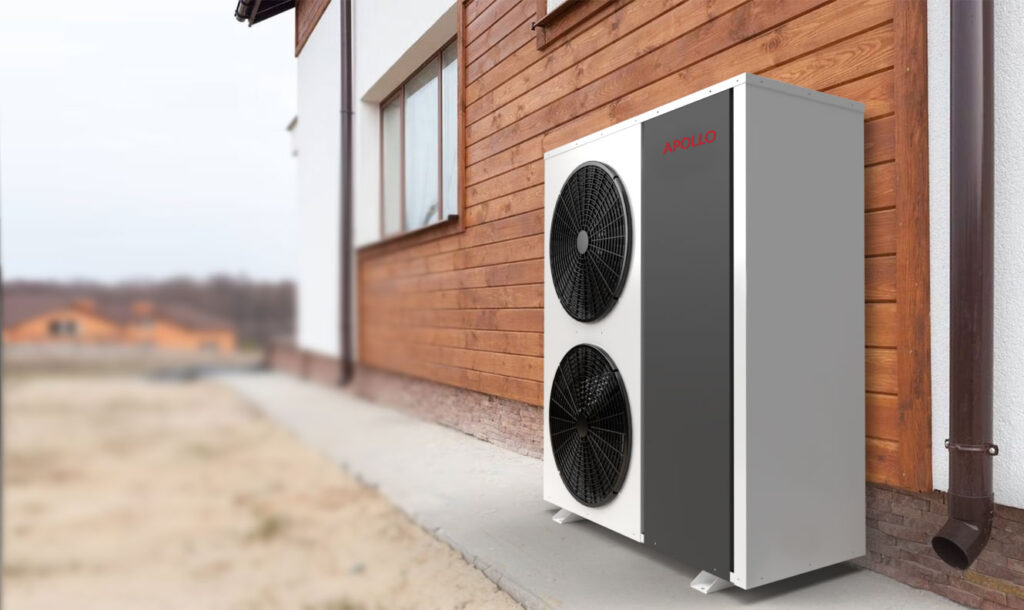
The key components of an air to water heat pump system include an outdoor unit and an indoor unit. The outdoor unit houses the compressor and the heat exchanger, while the indoor unit contains the heat exchanger, control panel, and circulation pump. These components work together to extract heat from the air and transfer it to the water, which is then distributed throughout your home.
How Does an Air to Water Heat Pump Work?
The operation of an air to water heat pump involves several important steps:
Heat Extraction: The outdoor unit of the heat pump contains a refrigerant that absorbs heat from the surrounding air. Even in cold weather, there is heat energy present in the air that can be utilized.
Heat Transfer: The absorbed heat is then transferred to the refrigerant, causing it to evaporate and turn into a gas. This process is facilitated by the compressor, which increases the temperature and pressure of the refrigerant.
Heat Release: The hot refrigerant gas is then passed through the heat exchanger in the indoor unit. Here, the heat is transferred to the water circulating in the system, raising its temperature.
Heat Distribution: The heated water is then distributed to various parts of your home, such as radiators or underfloor heating systems, providing warmth and comfort.
By understanding the basic workings of your air to water heat pump, you can better appreciate its benefits and make informed decisions regarding its maintenance and operation. For more information on the cost, installation, efficiency, and savings associated with air to water heat pumps, be sure to check out our other informative articles on air to water heat pump, air to water heat pump cost, air to water heat pump installation, air to water heat pump efficiency, and air to water heat pump savings.
Importance of Proactive Maintenance
To keep your air to water heat pump running smoothly and efficiently, proactive maintenance is essential. By staying one step ahead and implementing regular maintenance strategies, you can avoid potential issues and ensure optimal performance. Let’s explore the benefits of proactive maintenance and how it can lead to cost savings and energy efficiency.
Benefits of Proactive Maintenance
By proactively maintaining your air to water heat pump, you can reap several benefits. Here are a few key advantages:
Prevention of Costly Repairs: Regular maintenance helps identify and address minor issues before they escalate into major problems. Detecting and resolving issues early can save you from costly repairs down the line.
Extended Lifespan of the Heat Pump: Proper maintenance contributes to the longevity of your air to water heat pump. By taking care of your system and ensuring it operates optimally, you can extend its lifespan and avoid premature replacement costs.
Improved Energy Efficiency: Proactive maintenance keeps your heat pump operating at peak efficiency. Regularly cleaning and inspecting the system helps remove any dirt or debris that may hinder its performance. An efficiently running heat pump consumes less energy, resulting in lower energy bills.
Enhanced Comfort and Performance: A well-maintained heat pump delivers consistent heating and cooling, ensuring optimal comfort in your home. Regular maintenance tasks such as cleaning the outdoor unit and inspecting the indoor unit help maintain the system’s performance.
Cost Savings and Energy Efficiency
One of the main advantages of proactive maintenance is the potential for significant cost savings and improved energy efficiency. By keeping your air to water heat pump in optimal condition, you can enjoy the following benefits:
Reduced Energy Bills: An efficiently running heat pump consumes less energy to heat or cool your home, resulting in lower energy bills. Regular maintenance tasks, such as checking and replacing air filters, ensure proper airflow and improve the heat pump’s energy efficiency.
Minimized Repair Costs: Regular maintenance helps identify and resolve minor issues before they escalate into major problems. By addressing these issues early on, you can avoid costly repairs that may arise from neglected maintenance.
Extended Equipment Lifespan: Investing in proactive maintenance can significantly extend the lifespan of your air to water heat pump. By ensuring that all components are in good working condition, you reduce the risk of premature breakdowns and the need for expensive replacements.
Optimal Performance: Regular maintenance tasks, such as cleaning and inspecting the outdoor and indoor units, help maintain the heat pump’s performance. This ensures that your system operates efficiently and delivers the desired heating and cooling comfort throughout your home.
By prioritizing proactive maintenance for your air to water heat pump, you can enjoy these benefits and keep your system running smoothly for years to come. For more information on air to water heat pumps, their installation, and efficiency, check out our air to water heat pump and air to water heat pump efficiency articles.

Regular Maintenance Tasks
To ensure the optimal performance and longevity of your air to water heat pump, regular maintenance is crucial. By performing these simple tasks, you can keep your heat pump running smoothly and prevent any potential issues. Here are three important maintenance tasks you should include in your regular maintenance routine:
Cleaning and Inspecting the Outdoor Unit
The outdoor unit of your air to water heat pump is exposed to various environmental elements such as dirt, leaves, and debris. Regular cleaning and inspection of the outdoor unit is necessary to maintain its efficiency. Follow these steps to clean and inspect the outdoor unit:
- Power off: Before starting any maintenance tasks, make sure to turn off the power to the heat pump to ensure safety.
- Remove debris: Clear away any leaves, dirt, or debris that may have accumulated on or around the outdoor unit. Use a soft brush or a garden hose to gently clean the unit.
- Inspect for damage: Look for any signs of damage, such as bent fins or loose connections. If you notice any issues, consult a professional technician for further assistance.
By keeping the outdoor unit clean and free from obstructions, you can enhance the heat pump’s performance and prevent potential problems.
Checking and Replacing Air Filters
Air filters play a crucial role in maintaining the air quality and efficiency of your air to water heat pump. Over time, these filters can become dirty and clogged, hindering the heat pump’s performance. It’s important to check and replace the air filters regularly. Here’s what you need to do:
- Locate the air filters: Air filters are typically located in the indoor unit of the heat pump. Refer to the manufacturer’s guidelines or user manual to find the exact location.
- Inspect the filters: Remove the filters and inspect them for dirt, dust, or debris. If the filters appear dirty or clogged, it’s time to replace them.
- Replace the filters: Replace the old filters with new, clean ones. Make sure to use filters that are compatible with your heat pump model.
Regularly replacing air filters not only improves the air quality within your home but also helps maintain the efficiency of your air to water heat pump.
Inspecting and Cleaning the Indoor Unit
While the outdoor unit is more exposed to external elements, it’s important not to neglect the indoor unit of your air to water heat pump. Regular inspection and cleaning of the indoor unit can prevent dust and debris buildup, ensuring efficient operation. Follow these steps for inspecting and cleaning the indoor unit:
- Power off: Before starting any maintenance tasks, turn off the power to the heat pump for safety.
- Remove dust: Use a soft brush or a vacuum cleaner with a brush attachment to gently remove any dust or debris from the indoor unit.
- Check for blockages: Inspect the indoor unit for any blockages in the vents or air passages. Clear away any obstructions that may impede the airflow.
By regularly inspecting and cleaning the indoor unit, you can maintain the efficiency and performance of your air to water heat pump.
Regular maintenance tasks like cleaning the outdoor unit, checking and replacing air filters, and inspecting and cleaning the indoor unit are essential for keeping your air to water heat pump in optimal condition. By incorporating these tasks into your maintenance routine, you can ensure the longevity and efficient operation of your heat pump. Remember to refer to the manufacturer’s guidelines or consult a professional technician for specific maintenance instructions related to your heat pump model.

Seasonal Maintenance
To ensure optimal performance and longevity of your air to water heat pump, it’s important to perform seasonal maintenance tasks. These tasks help prepare your heat pump for the upcoming winter and summer seasons, ensuring efficient operation throughout the year.
Preparing for Winter
Before the cold weather sets in, it’s essential to take certain steps to ensure your air to water heat pump is ready to tackle the heating demands of winter.
Inspect and clean the outdoor unit: Remove any debris such as leaves, twigs, or dirt that may have accumulated around the outdoor unit. This ensures proper airflow and prevents any obstructions that could hinder the heat pump’s performance.
Check the refrigerant levels: It’s crucial to have the refrigerant levels checked by a professional technician. Low refrigerant levels can affect the heat pump’s efficiency and heating capacity.
Test the defrost mode: The defrost mode is an important function of the heat pump during winter. Test the defrost cycle to ensure it is functioning correctly and effectively defrosting the outdoor unit when required.
Inspect the outdoor coils: Check the outdoor coils for any signs of damage, corrosion, or frost buildup. Clean the coils if necessary to ensure optimal heat transfer.
Check the air filters: Clean or replace the air filters as needed. Clogged or dirty filters can restrict airflow and reduce the efficiency of the heat pump. Refer to our article on air to water heat pump maintenance for more information.
Preparing for Summer
As the warmer months approach, it’s important to prepare your air to water heat pump for efficient cooling.
Clean and inspect the outdoor unit: Similar to winter maintenance, clean the outdoor unit and remove any debris that may have accumulated. This ensures proper airflow and prevents any obstructions that could hinder the heat pump’s performance.
Check the air filters: Clean or replace the air filters to ensure unrestricted airflow. Clean filters help maintain the heat pump’s cooling efficiency and prevent dust and allergens from circulating in your home.
Inspect the indoor unit: Check the indoor unit for any signs of dust or debris. Wipe down the unit and ensure there are no obstructions blocking the airflow.
Check the condensate drain: Ensure the condensate drain is clear of any blockages. A clogged drain can lead to water leakage and potential damage to your heat pump.
Test the thermostat: Test the thermostat to ensure it is functioning properly and accurately controlling the temperature settings.
By following these seasonal maintenance tips, you can ensure that your air to water heat pump operates efficiently and effectively throughout the year. However, keep in mind that some maintenance tasks may require professional assistance. If you’re unsure or need help with maintenance, it’s best to consult a professional technician.

Hiring Professional Maintenance Services
While there are several maintenance tasks you can perform yourself, there are times when it’s best to hire a professional to ensure optimal performance and longevity of your air to water heat pump. Professional maintenance services can provide expertise, specialized tools, and in-depth knowledge to keep your system running smoothly. Here’s when you should consider hiring a professional and what you can expect from a maintenance service.
When to Hire a Professional
Annual or Bi-Annual Maintenance: It is recommended to schedule professional maintenance at least once a year, ideally before the start of the heating or cooling season. This ensures that your air to water heat pump is in optimal condition and ready to operate efficiently. Some manufacturers may even require professional maintenance to validate the warranty.
Complex Repairs or Troubleshooting: If you encounter any issues with your air to water heat pump that require complex repairs or troubleshooting, it’s best to consult a professional. They have the knowledge and experience to diagnose problems accurately and perform the necessary repairs, minimizing the risk of further damage.
System Performance Decline: If you notice a decline in the performance of your heat pump, such as reduced heating or cooling capacity, poor airflow, or unusual noises, it’s advisable to seek professional help. They can assess the system, identify the underlying causes, and take appropriate corrective measures.
Safety Concerns: If you suspect any safety issues, such as refrigerant leaks or electrical problems, it’s crucial to hire a professional immediately. These issues can pose risks to your home and family, and only trained professionals should handle them.
Remember, regular professional maintenance not only helps to keep your air to water heat pump functioning optimally but can also prevent costly repairs in the long run. It’s an investment in the longevity and efficiency of your system.
What to Expect from a Maintenance Service
When you hire a professional maintenance service for your air to water heat pump, you can expect the following:
Thorough Inspection: The technician will conduct a comprehensive inspection of your system, examining components, electrical connections, and refrigerant levels. They will identify any potential problems or areas that require attention.
Cleaning and Lubrication: The technician will clean the outdoor and indoor units, removing dirt, debris, and any obstructions. They will also lubricate moving parts as necessary to ensure smooth operation.
Filter Replacement: The technician will inspect and replace the air filters, ensuring proper airflow and maintaining good indoor air quality.
Performance Testing: The technician will test the system’s performance, including temperature differentials, pressure levels, and overall efficiency. They may make adjustments to optimize performance and energy efficiency.
Recommendations and Advice: After completing the maintenance service, the technician will provide you with a detailed report of their findings. They may suggest any necessary repairs, improvements, or upgrades to enhance the performance and longevity of your air to water heat pump.
By hiring a professional maintenance service, you can ensure that your air to water heat pump receives the care it needs to operate efficiently and effectively. Regular professional maintenance not only helps to extend the lifespan of your system but also maximizes its energy efficiency, saving you money in the long run. For more information on the benefits of proactive maintenance and the savings it can offer, refer to our article on air to water heat pump savings.

DIY Maintenance Tips
To ensure that your air to water heat pump operates efficiently and lasts for years to come, regular maintenance is essential. While some maintenance tasks may require professional assistance, there are several simple maintenance tasks that you can do yourself. However, it’s important to follow safety precautions to protect yourself and your equipment.
Safety Precautions
Before beginning any maintenance tasks, it’s crucial to prioritize safety. Here are a few key safety precautions to keep in mind:
Power off the unit: Before performing any maintenance tasks, make sure to turn off the power to the heat pump. This will help prevent any accidental electric shocks.
Wear protective gear: When working on your heat pump, wear appropriate protective gear such as gloves and safety glasses. This will protect you from any potential injuries.
Follow manufacturer’s instructions: Familiarize yourself with the manufacturer’s instructions and guidelines for your specific heat pump model. This will ensure that you follow the correct procedures and avoid any mistakes.
Be cautious of moving parts: When inspecting or cleaning the heat pump, be mindful of any moving parts. Keep your hands and clothing away from any rotating fans or other components that may cause injury.
By following these safety precautions, you can ensure a safe maintenance experience and minimize the risk of accidents.
Simple Maintenance Tasks You Can Do Yourself
Cleaning the outdoor unit: Regularly clean the outdoor unit of your air to water heat pump to remove any dirt, debris, or vegetation that may have accumulated. Use a soft brush or cloth to gently clean the fan blades, coils, and housing. This will help maintain optimal airflow and prevent any obstructions.
Checking and cleaning air filters: Check and clean the air filters of your heat pump regularly. Dirty filters can restrict airflow and reduce the efficiency of your system. Follow the manufacturer’s instructions to remove, clean, and replace the filters as needed.
Inspecting and cleaning the indoor unit: Inspect the indoor unit of your heat pump for any dust, dirt, or debris. Clean the unit using a soft brush or cloth to ensure proper airflow and prevent any blockages.
Monitoring and adjusting thermostat settings: Keep an eye on your thermostat settings to ensure that they are set at the appropriate temperature. Adjust the settings as needed to maintain a comfortable indoor environment and optimize energy efficiency.
Remember, while these maintenance tasks can be performed by homeowners, it’s important to schedule regular professional maintenance services to ensure a comprehensive inspection and maintenance of your air to water heat pump. A professional service can identify any potential issues and provide necessary repairs or adjustments. For more information on professional maintenance services, check out our article on air to water heat pump maintenance.
By following these simple maintenance tips and regularly monitoring your air to water heat pump, you can extend its lifespan, maintain its efficiency, and enjoy reliable heating and cooling for your home.