
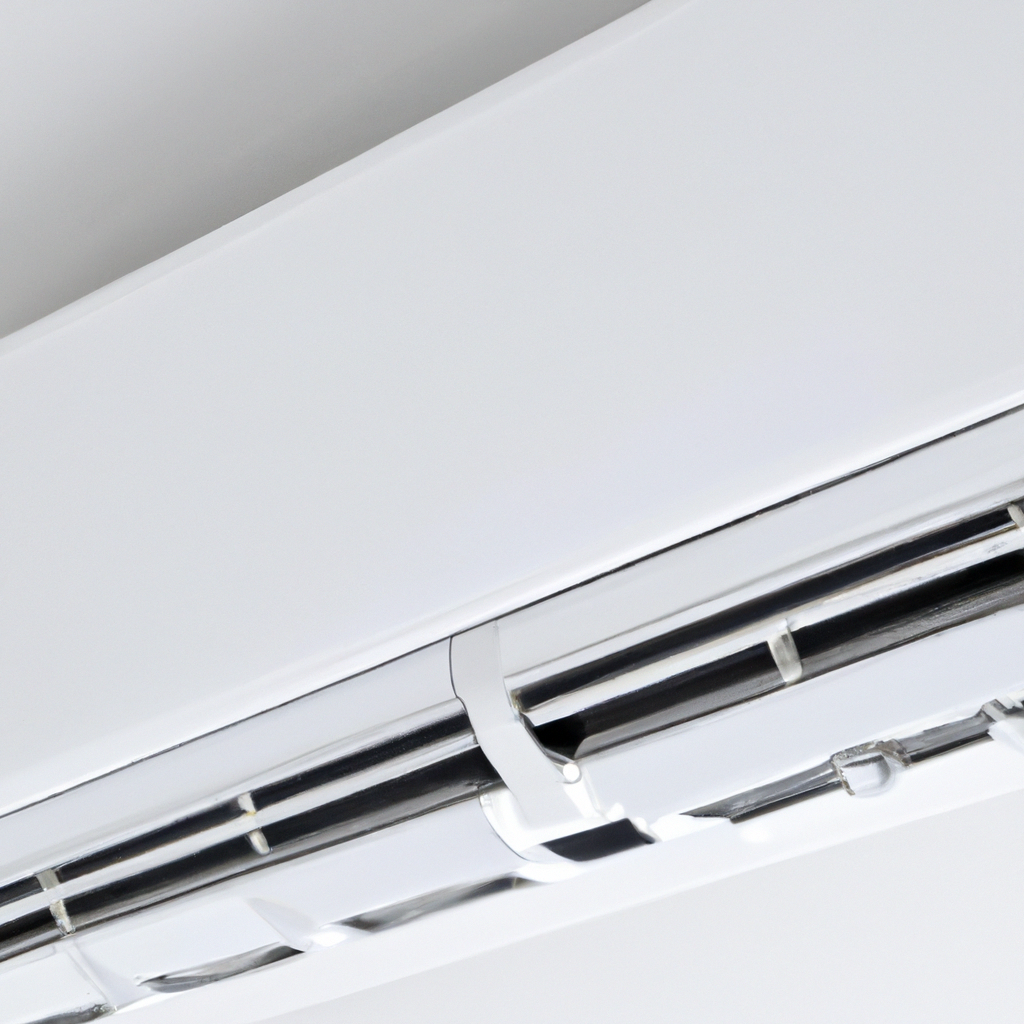
Stay Cool, Save Energy: The Benefits of Energy-Efficient Air Conditioners
In Summary
Energy-efficient air conditioners offer several advantages, including reduced electricity bills, decreased environmental impact, and improved indoor comfort. These units consume less power while effectively cooling spaces, contributing to both cost savings and environmental sustainability. Investing in energy-efficient air conditioners is a wise choice for your wallet and the planet.
Introduction to Energy-Efficient Air Conditioners
As temperatures rise, energy-efficient air conditioners become essential for keeping our homes cool and comfortable while minimizing energy consumption. These advanced cooling systems offer numerous benefits for homeowners, from reducing energy bills to minimizing environmental impact. In this section, we will explore the importance of energy efficiency and how energy-efficient air conditioners work.
The Importance of Energy Efficiency
Energy efficiency is a crucial factor to consider when selecting an air conditioner for your home. Energy-efficient air conditioners are designed to provide the same level of cooling comfort while consuming less energy compared to conventional models. This not only helps to reduce your carbon footprint but also saves you money on energy bills in the long run.
By opting for an energy-efficient air conditioner, you can significantly lower your home’s energy consumption, which is particularly important during the hot summer months when air conditioning usage is at its peak. Moreover, energy efficiency is an integral part of sustainable living and contributes to a greener and more environmentally friendly future.
How Energy-Efficient Air Conditioners Work
Energy-efficient air conditioners utilize various technologies and design features to optimize cooling performance while minimizing energy usage. These systems incorporate advanced components such as high-efficiency compressors, improved insulation, and enhanced airflow management to achieve optimal energy efficiency.
One of the key features of energy-efficient air conditioners is their ability to adjust cooling output based on the desired temperature. This is typically achieved through advanced thermostat controls and variable-speed motors. By automatically adjusting the compressor’s speed and cooling capacity, these systems can maintain a consistent indoor temperature while consuming less energy.
Moreover, energy-efficient air conditioners often employ advanced refrigerants that have a lower impact on the environment, such as R-410A. These refrigerants are designed to be more environmentally friendly and have a reduced potential for depleting the ozone layer.
To ensure optimal energy efficiency, it’s important to consider factors such as proper sizing and capacity, as well as the climate and region in which you live. By selecting the right energy-efficient air conditioner for your home and following best practices for optimization, you can enjoy the benefits of a cool and comfortable environment while minimizing energy consumption.
In the following sections, we will delve deeper into the benefits of energy-efficient air conditioners, explore key features to consider when choosing one, and provide tips for optimizing energy efficiency. Stay cool, save energy, and contribute to a more sustainable future with an energy-efficient air conditioning system.
Benefits of Energy-Efficient Air Conditioners
Energy-efficient air conditioners offer a range of benefits for homeowners. These innovative cooling systems not only provide comfort but also contribute to lower energy consumption, cost savings on energy bills, and a positive environmental impact.
Lower Energy Consumption
One of the primary benefits of energy-efficient air conditioners is their ability to operate with lower energy consumption compared to conventional models. These systems are designed to maximize cooling efficiency while minimizing energy waste. They achieve this through various advanced technologies and features that optimize the cooling process.
Energy-efficient air conditioners utilize advanced compressors and fan motors that consume less electricity while delivering the desired cooling performance. Additionally, they incorporate intelligent thermostat controls and sensors that help regulate temperature more efficiently, ensuring that energy is not wasted by running the system unnecessarily.
By reducing energy consumption, these air conditioners not only help homeowners save money but also contribute to a more sustainable and eco-friendly home environment.
Cost Savings on Energy Bills
Energy-efficient air conditioners can result in significant cost savings on energy bills. By consuming less electricity, these systems help reduce overall energy usage, resulting in lower monthly expenses. The exact amount of savings will depend on various factors such as the size of the home, local climate, and usage patterns.
To estimate potential savings, it’s important to consider the Seasonal Energy Efficiency Ratio (SEER) of the air conditioner. SEER is a measure of cooling efficiency, with higher SEER ratings indicating higher energy efficiency. Energy-efficient air conditioners typically have higher SEER ratings, which means they consume less energy to cool the same space compared to less efficient models.
By choosing an energy-efficient air conditioner with a high SEER rating, homeowners can enjoy substantial long-term cost savings on their energy bills, making these systems a wise investment.
Environmental Impact
Energy-efficient air conditioners have a positive environmental impact by reducing greenhouse gas emissions and promoting sustainability. By operating with lower energy consumption, these systems help to decrease the demand for electricity, which in turn reduces the reliance on fossil fuels for power generation.
Additionally, energy-efficient air conditioners often use eco-friendly refrigerants that have a lower impact on the ozone layer and contribute less to global warming compared to older refrigerants. This helps to mitigate the environmental harm caused by traditional air conditioning systems.
By choosing an energy-efficient air conditioner, homeowners can take a proactive step towards reducing their carbon footprint and minimizing their impact on the environment.
Energy-efficient air conditioners provide a range of benefits, including lower energy consumption, cost savings on energy bills, and a positive environmental impact. When selecting an air conditioner, it’s important to consider key features such as the Seasonal Energy Efficiency Ratio (SEER) and Energy Star certification. By choosing the right energy-efficient air conditioner and implementing effective cooling strategies, homeowners can enjoy both comfort and cost savings while contributing to a more sustainable future.
Key Features of Energy-Efficient Air Conditioners
When considering an energy-efficient air conditioner, there are several key features to keep in mind. These features contribute to the overall energy efficiency of the unit, allowing you to enjoy the benefits of lower energy consumption, cost savings, and reduced environmental impact. Let’s explore three important features: Seasonal Energy Efficiency Ratio (SEER), Energy Star Certification, and Smart Thermostat Compatibility.
Seasonal Energy Efficiency Ratio (SEER)
The Seasonal Energy Efficiency Ratio (SEER) is a measure of an air conditioner’s cooling efficiency over a typical cooling season. It represents the ratio of cooling output (measured in British thermal units, or BTUs) to the energy consumed (measured in watt-hours). A higher SEER rating indicates a more energy-efficient air conditioner.
Air conditioners with higher SEER ratings can provide the same level of cooling while using less energy, resulting in cost savings and reduced environmental impact. It’s important to note that the minimum SEER rating requirements vary by region, so it’s essential to consider the climate and region when selecting an air conditioner.
Energy Star Certification
Energy Star Certification is a program developed by the U.S. Environmental Protection Agency (EPA) to identify and promote energy-efficient products. Air conditioners that meet the strict energy efficiency guidelines set by Energy Star can earn this certification.
Choosing an Energy Star certified air conditioner ensures that you are selecting a unit that meets or exceeds industry standards for energy efficiency. These units are designed to consume less energy without compromising performance, resulting in significant cost savings and a reduced carbon footprint.
To find Energy Star certified air conditioners, look for the Energy Star logo on the product or consult the Energy Star website for a list of certified models.
Smart Thermostat Compatibility
Smart thermostat compatibility is a desirable feature in energy-efficient air conditioners. By integrating your air conditioner with a smart thermostat, you gain greater control over temperature settings and scheduling, optimizing energy usage and reducing wasteful cooling.
Smart thermostats allow you to set customized cooling schedules based on your daily routine and preferences. Some models even use advanced algorithms and sensors to learn your behavior and adjust cooling patterns accordingly. This can result in significant energy savings by avoiding unnecessary cooling when you’re away from home or during times when cooling is less necessary.
Additionally, smart thermostats often provide remote access through smartphone apps, allowing you to monitor and control your air conditioner from anywhere. This feature enables you to adjust settings on the go, ensuring optimal comfort and energy efficiency.
By considering the Seasonal Energy Efficiency Ratio (SEER), Energy Star Certification, and Smart Thermostat Compatibility when selecting an air conditioner, you can make an informed decision that maximizes energy efficiency and minimizes environmental impact. Remember to consult our article on air conditioner filters for tips on maintaining the efficiency of your air conditioner.
Choosing the Right Energy-Efficient Air Conditioner
To maximize the benefits of energy-efficient air conditioners, it’s important to choose the right one for your specific needs. Consider the following factors when selecting an energy-efficient air conditioner: proper sizing and capacity, consideration of climate and region, and additional features to enhance efficiency.
Proper Sizing and Capacity
Choosing an air conditioner with the proper sizing and capacity is essential for efficient cooling. An undersized unit will struggle to cool your space effectively, while an oversized unit will cycle on and off frequently, wasting energy. To determine the appropriate size, consider factors such as the square footage of the area to be cooled, the number of occupants, insulation, and the amount of sunlight the space receives.
Consult an HVAC professional or refer to industry guidelines to determine the appropriate cooling capacity, measured in British Thermal Units (BTUs), for your specific needs. This ensures that your energy-efficient air conditioner operates optimally and provides efficient cooling.
Consideration of Climate and Region
The climate and region in which you live play a significant role in choosing the right energy-efficient air conditioner. Areas with high humidity may benefit from air conditioners that have dehumidification features to enhance comfort. Alternatively, in dry climates, evaporative coolers or swamp coolers may be a more energy-efficient option.
Understanding the specific environmental conditions of your region will help you select an air conditioner that is best suited to handle the cooling demands efficiently. Consult with a local HVAC professional to determine the most suitable type of air conditioner for your climate.
Additional Features to Enhance Efficiency
When selecting an energy-efficient air conditioner, additional features can further enhance its efficiency and performance. Look for features such as programmable timers, sleep modes, and fan speed controls. These features allow you to customize the cooling operation according to your schedule and preferences, preventing unnecessary energy consumption.
Furthermore, consider air conditioners with smart thermostat compatibility. Smart thermostats allow for remote control and scheduling of cooling cycles, optimizing energy usage and providing enhanced convenience. By integrating your energy-efficient air conditioner with a smart thermostat, you can further reduce energy waste and increase energy savings.
By considering the proper sizing and capacity, climate and region, and additional features of energy-efficient air conditioners, you can select the most suitable one for your specific needs. Remember to consult with HVAC professionals and refer to industry guidelines to ensure optimal performance and energy efficiency.
Tips for Optimizing Energy Efficiency
To maximize the energy efficiency of your air conditioner and reduce your energy consumption, there are several key tips to keep in mind. By following these guidelines, you can enjoy a comfortable environment while minimizing your impact on the environment and saving on energy bills.
Regular Maintenance and Filter Cleaning
Regular maintenance is essential for ensuring the optimal performance of your air conditioning system. Be sure to schedule regular air conditioner maintenance to keep your unit running efficiently. This includes cleaning or replacing air conditioner filters, which can become clogged with dust and debris over time, obstructing airflow and reducing efficiency. Clean filters allow for proper airflow, reducing strain on the system and improving energy efficiency. Check out our article on air conditioner filter replacement for more information.
Effective Use of Thermostat Settings
Proper use of thermostat settings can significantly impact energy consumption. Set your thermostat to the highest comfortable temperature during the summer months to reduce the workload of your air conditioner. Consider using a programmable or smart thermostat to automatically adjust the temperature based on your schedule and preferences. This allows you to optimize energy usage by reducing cooling when you are away from home or asleep.
Supplementary Cooling Strategies
In addition to your air conditioner, there are several supplementary cooling strategies you can employ to enhance energy efficiency. These strategies include:
- Using ceiling fans: Ceiling fans help to circulate air and create a cooling effect, allowing you to raise the thermostat temperature without sacrificing comfort.
- Strategic shading: Use curtains, blinds, or shades to block out direct sunlight, reducing the amount of heat that enters your home.
- Sealing air leaks: Properly insulate your home and seal any air leaks to prevent cool air from escaping and hot air from entering. This reduces the workload on your air conditioner. For more information on cooling your home efficiently, check out our article on cooling system.
By following these tips, you can optimize the energy efficiency of your air conditioner and reduce your overall energy consumption. Remember, regular maintenance, proper thermostat settings, and supplementary cooling strategies all play a vital role in maximizing the efficiency of your cooling system.