
Unlocking the Benefits: Why You Need an Indirect Water Heating Tank
In Summary
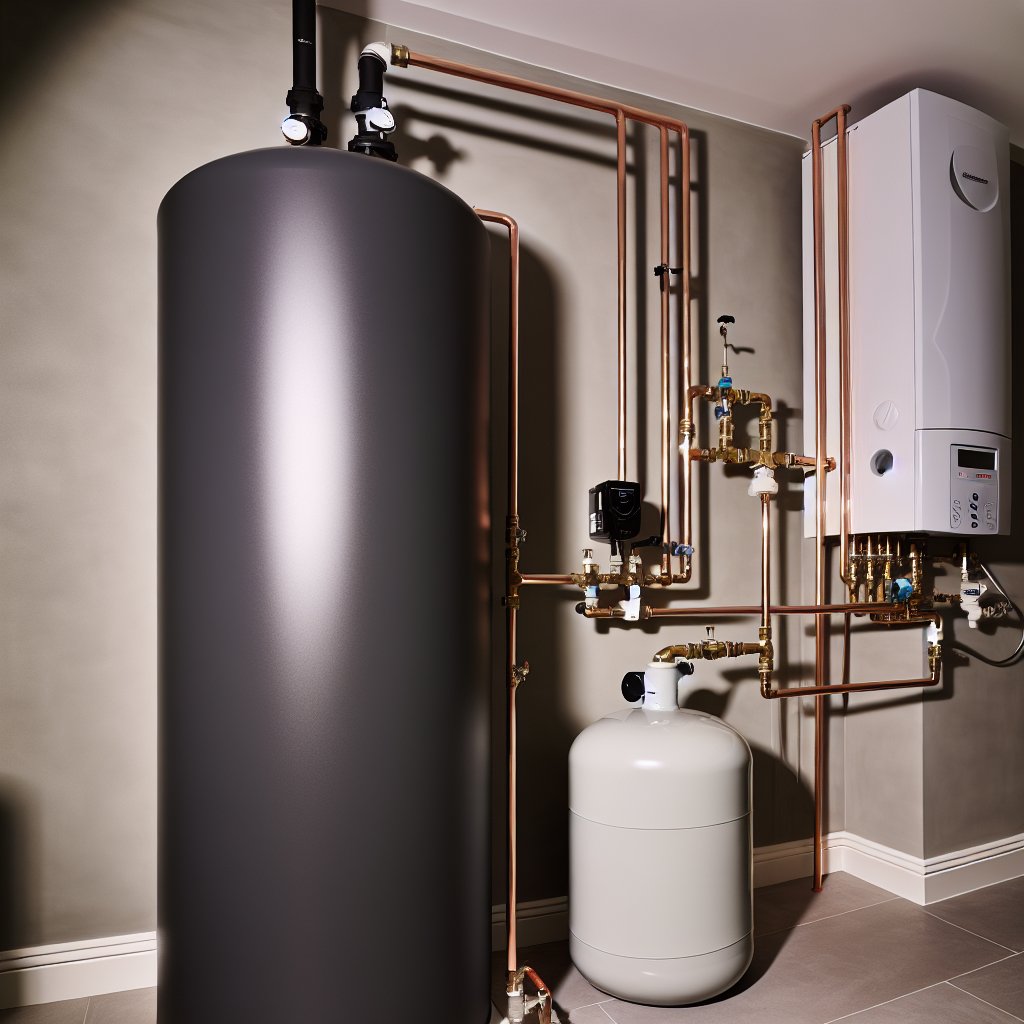
An indirect water heating tank is a device used to heat water using an external heat source, such as a boiler or a solar panel. It contains a coil or heat exchanger through which the heat is transferred to the water, providing hot water for household needs.
Indirect Water Heating Tanks: An Overview
When it comes to heating water for your home, an indirect water heating tank provides an efficient and effective solution. In this section, we’ll explore what an indirect water heating tank is and the benefits it offers.
What is an Indirect Water Heating Tank?
An indirect water heating tank, also known as an indirect water heater or indirect water heating system, utilizes a home’s space heating system to heat water. Instead of directly heating water using electricity or gas, an indirect water heating tank circulates a fluid through a heat exchanger located in a storage tank. This allows the furnace or boiler to heat the fluid, which then transfers its heat to the water in the storage tank.
Benefits of Indirect Water Heating Tanks
There are several benefits to using an indirect water heating tank in your home:
Energy Efficiency: Indirect water heating tanks are highly energy efficient. By utilizing the existing space heating system, they allow the furnace or boiler to operate less frequently. This reduces energy consumption and can lead to significant cost savings on utility bills. According to Consumer Reports, indirect water heaters are a more efficient and cost-effective solution for hot water.
Cost Savings: Indirect water heating tanks, when used in conjunction with a high-efficiency boiler and a well-insulated tank, can be the least expensive means of providing hot water. They offer energy use reduction and cost savings for homeowners, particularly in certain parts of the country, as mentioned by Bob Vila.
Environmental Impact: With a growing concern for the environment, indirect water heating tanks are gaining popularity. By reducing energy consumption, they contribute to lower greenhouse gas emissions and a smaller carbon footprint. This makes them a more eco-friendly choice compared to traditional water heating methods.
Longevity: Indirect water heating tanks are known for their durability and long lifespan. When properly installed and maintained, they can provide reliable hot water for many years. Their robust construction and minimal exposure to corrosive elements contribute to their extended lifespan, as stated by Energy.gov.
By understanding what an indirect water heating tank is and the benefits it offers, you can make an informed decision when it comes to selecting a water heating system for your home. In the following sections, we will delve deeper into how indirect water heating tanks work, their efficiency compared to conventional water heaters, factors to consider when choosing one, and more.
How Indirect Water Heating Tanks Work
Understanding how indirect water heating tanks function is key to appreciating their benefits and why they are a popular choice for many homeowners. In this section, we will explore the role of a heat exchanger and the various fuel sources used to power indirect water heating tanks.
The Role of a Heat Exchanger
At the heart of an indirect water heating tank lies the heat exchanger. This component plays a crucial role in transferring heat from the home’s space heating system to the water in the tank. By utilizing the existing furnace or boiler, indirect water heating tanks provide a more efficient and cost-effective solution for hot water needs .
The heat exchanger consists of a coil or a series of pipes submerged in the water storage tank. As the space heating system operates, hot water or steam flows through the heat exchanger, transferring its thermal energy to the surrounding water. This process allows the furnace or boiler to turn on and off less frequently, saving energy and reducing fuel consumption.
The heated water within the indirect water heating tank is then ready for use in various household activities, such as bathing, cleaning, and cooking. The continuous circulation and heat transfer ensure a consistent supply of hot water throughout the home.
Fuel Sources for Indirect Water Heating Tanks
Indirect water heating tanks offer flexibility when it comes to fuel sources for heating water. The space heating system, which powers the heat exchanger, can be fueled by natural gas, oil, or electricity, depending on the setup and availability in your home .
- Natural Gas: A common fuel source for space heating systems, natural gas is widely available and offers efficient combustion, making it an economical choice for indirect water heating.
- Oil: Some homes utilize oil-based heating systems. Indirect water heating tanks can efficiently utilize this fuel source, providing hot water for domestic use.
- Electricity: For homes without access to natural gas or oil, electricity can power the space heating system, which in turn heats the water in the indirect water heating tank.
By leveraging the existing space heating system and its fuel source, indirect water heating tanks maximize energy efficiency and minimize operating costs. The choice of fuel source depends on factors such as availability, regional energy prices, and the specific needs of your home.
In the next section, we will explore the advantages of indirect water heating tanks over conventional water heaters, highlighting their efficiency and durability.
Indirect Water Heating Tanks vs. Conventional Water Heaters
When it comes to choosing a water heating system, comparing indirect water heating tanks to conventional water heaters is essential. Understanding the efficiency, lifespan, and durability of these systems can help you make an informed decision about which option is best suited for your needs.
Efficiency Comparison
Indirect water heating tanks are known for their exceptional energy efficiency. These tanks rely on a heat exchanger connected to a high-efficiency boiler . By utilizing the heat generated by the boiler, indirect water heaters can efficiently heat the water within the tank, reducing energy consumption and lowering utility costs.
Conventional water heaters, on the other hand, typically use a heating element or a burner to directly heat the water stored in the tank. This direct heating process can be less efficient, as some heat may be lost during the heating cycle. However, advancements in technology have led to the development of more energy-efficient conventional water heaters, such as tankless or hybrid models.
To determine the efficiency of a water heating system, it is important to consider the Energy Factor (EF) rating. The EF rating indicates the overall efficiency of the system, taking into account factors such as standby losses and recovery efficiency. Indirect water heating tanks often have higher EF ratings compared to conventional water heaters, making them a more energy-efficient choice .
Lifespan and Durability
When it comes to lifespan and durability, indirect water heating tanks have a clear advantage over conventional water heaters. Indirect water heaters are typically designed with longevity in mind, with some models lasting up to 20 years . The well-insulated storage tank and the absence of direct heat generation contribute to the extended lifespan of these systems.
Conventional water heaters, especially tank-type models, generally have a shorter lifespan. On average, a conventional water heater may last around 10-15 years, depending on factors such as maintenance and usage. The direct exposure of the heating element or burner to the water can lead to wear and tear over time, potentially affecting the durability and performance of the system.
Additionally, the durability of indirect water heating tanks is often enhanced by their construction. These tanks are typically well-insulated and made of high-quality materials, ensuring they can withstand the demands of daily use. Regular maintenance and proper care can further extend the lifespan of both indirect water heating tanks and conventional water heaters.
When considering the lifespan and durability of a water heating system, it is important to factor in the manufacturer’s warranty. Indirect water heating tanks often come with longer warranty periods compared to conventional water heaters, providing added peace of mind .
By comparing the efficiency, lifespan, and durability of indirect water heating tanks and conventional water heaters, you can make an informed decision about which system aligns with your priorities and requirements. Keep in mind that proper installation, regular maintenance, and professional servicing are crucial for maximizing the performance and longevity of any water heating system.
Factors to Consider When Choosing an Indirect Water Heating Tank
When selecting an indirect water heating tank, there are several important factors to consider. These factors ensure that the tank meets your specific needs and provides efficient and reliable hot water supply. Sizing and capacity, as well as material and insulation, are two key factors to keep in mind.
Sizing and Capacity
Properly sizing an indirect water heating tank is crucial for ensuring a sufficient and consistent supply of hot water. It involves complex calculations and is best left to a trained and experienced installer. Hiring a contractor for installation is recommended . The size of the tank should be determined based on the hot water demands of your household, which depend on factors such as the number of occupants, usage patterns, and simultaneous hot water requirements.
To give you a general idea, here’s a rough guideline for hot water tank sizing based on the number of bedrooms in a typical residential setting:
| Number of Bedrooms | Tank Size (Gallons) |
|---|---|
| 1-2 | 30-40 |
| 3-4 | 50-60 |
| 5 or more | 80 or larger |
Keep in mind that these numbers are approximate and actual sizing requirements may vary depending on specific factors. It’s always best to consult with a professional to determine the right size for your needs.
Material and Insulation
The material and insulation of an indirect water heating tank play a significant role in its performance and durability. The tank itself is typically made of stainless steel, providing durability and corrosion resistance . Stainless steel tanks are known for their longevity and ability to withstand the harsh conditions of water heating.
In addition to the tank material, the insulation of the tank is also important. It helps to minimize heat loss and improve energy efficiency. Most indirect water heating tanks feature a foam insulation jacket that surrounds the tank, helping to retain heat and reduce standby energy loss . The insulation thickness can vary, so it’s worth considering a tank with thicker insulation for enhanced energy efficiency.
By carefully considering the sizing and capacity, as well as the material and insulation of an indirect water heating tank, you can ensure that the chosen tank is suitable for your specific hot water needs. Don’t hesitate to consult with a professional installer or contractor who can guide you through the selection process and ensure a proper installation that meets your requirements.
Installation and Maintenance of Indirect Water Heating Tanks
To ensure optimal performance and longevity of your indirect water heating tank, proper installation and regular maintenance are essential. In this section, we will explore the key steps involved in connecting the tank to the boiler and provide insights on how to properly care for and maintain your system.
Connecting to the Boiler
The installation process of an indirect water heating tank involves connecting it to the boiler with pipe fittings and installing a circulator pump to circulate the hot water from the boiler to the tank . The tank is designed to be installed vertically, with the water connections located at the top of the tank for easy access .
It is recommended to hire a trained and experienced installer to properly size and connect the indirect water heating tank to your boiler. Sizing an indirect water heater involves complex calculations, and a professional can ensure that the system is correctly configured for optimal performance and efficiency .
Proper Care and Maintenance
Regular maintenance is crucial to keep your indirect water heating tank functioning effectively. Here are some important maintenance tasks to consider:
Inspect and clean the tank: Schedule regular inspections to check for any signs of sediment buildup or corrosion. If necessary, flush the tank to remove sediment and debris that can hinder its performance.
Check the pressure relief valve: The pressure relief valve is a safety feature that prevents excessive pressure buildup in the tank. Test the valve periodically to ensure it is functioning properly. If it is not working as intended, it should be replaced by a qualified professional.
Monitor the anode rod: Many indirect water heating tanks are equipped with an anode rod, which helps protect the tank from corrosion. Regularly inspect the rod and replace it if it becomes heavily corroded.
Maintain the boiler: Since the indirect water heating tank relies on the boiler for heat, it’s important to keep the boiler well-maintained. Follow the manufacturer’s guidelines for boiler maintenance, including regular inspections, cleaning, and any necessary repairs.
Check for leaks and drips: Routinely examine the tank and its connections for any signs of leaks or drips. Address any issues promptly to prevent water damage and ensure the continued efficiency of the system.
By following these maintenance practices, you can extend the lifespan of your indirect water heating tank and optimize its performance. It is always recommended to consult the manufacturer’s instructions and guidelines for specific maintenance requirements.
Remember, if you encounter any issues with your indirect water heating system or are unsure about any maintenance tasks, it’s best to seek assistance from a trained professional. They can provide expert guidance and ensure that your system operates efficiently and reliably.
In the next section, we will explore the energy efficiency benefits of indirect water heating tanks, including cost savings and integration with solar hot water systems.
Indirect Water Heating Tanks and Energy Efficiency
When it comes to efficient water heating, indirect water heating tanks are an excellent choice. These tanks offer a range of benefits, including cost savings and a reduced environmental impact. Additionally, indirect water heating tanks can be integrated with solar hot water systems, further enhancing their energy efficiency.
Cost Savings and Environmental Impact
Indirect water heating tanks are known for their energy efficiency, making them a cost-effective option for homeowners. These tanks utilize a home’s space heating system to heat water, circulating a fluid through a heat exchanger in a storage tank . By utilizing the waste heat from another system, such as a boiler, indirect water heating tanks can significantly reduce energy consumption and lower utility bills.
Compared to conventional water heaters, indirect water heating tanks are generally more energy-efficient . The energy stored in the water tank allows the furnace or boiler to turn off and on less frequently, resulting in energy savings . Over time, these energy savings can add up, providing homeowners with long-term cost benefits.
In addition to cost savings, indirect water heating tanks also have a positive environmental impact. By reducing energy consumption, these tanks help to lower greenhouse gas emissions and promote sustainability. As energy efficiency becomes increasingly important in our efforts to protect the environment, indirect water heating tanks offer a viable solution for eco-conscious homeowners.
Integration with Solar Hot Water Systems
Indirect water heating tanks can be seamlessly integrated with solar hot water systems, further enhancing their energy efficiency. Solar hot water systems utilize the sun’s energy to heat water, providing a renewable and sustainable source of hot water. By combining a solar hot water system with an indirect water heating tank, homeowners can maximize their energy savings and reduce dependence on traditional energy sources.
The integration of solar hot water systems and indirect water heating tanks is a smart choice for those looking to harness the power of renewable energy. Solar energy can be used to preheat the water before it enters the storage tank, reducing the workload of the space heating system. This not only saves energy but also extends the lifespan of the heating system components.
By combining the energy efficiency of indirect water heating tanks with the sustainability of solar hot water systems, homeowners can enjoy significant long-term savings while reducing their carbon footprint. The ability to utilize renewable energy sources makes indirect water heating tanks an attractive option for environmentally conscious individuals.
In conclusion, indirect water heating tanks provide notable benefits in terms of cost savings and environmental impact. Their energy-efficient design allows homeowners to reduce energy consumption and lower utility bills. Furthermore, the integration of indirect water heating tanks with solar hot water systems enhances their efficiency and promotes sustainability. By considering these advantages, homeowners can make an informed decision when choosing a water heating solution that aligns with their energy efficiency goals.