
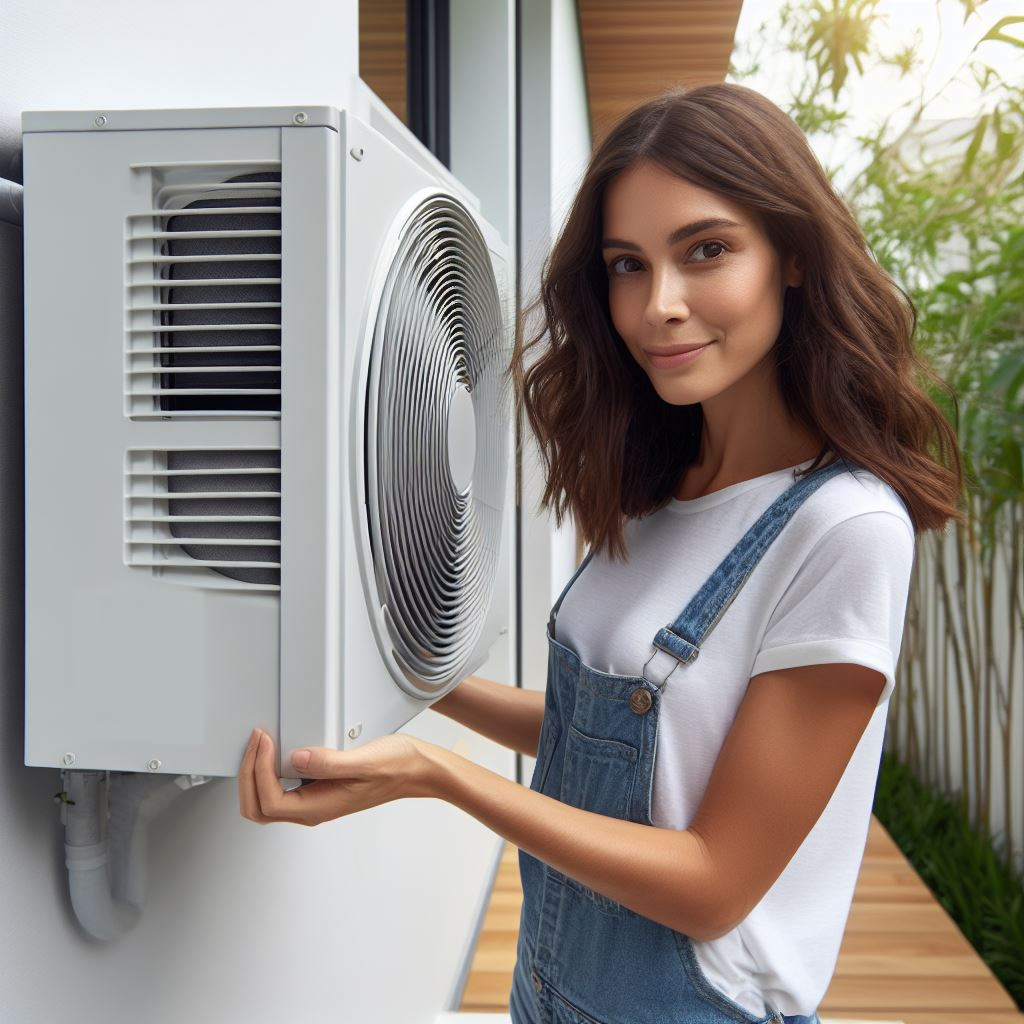
Maximize Comfort, Minimize Costs: The Advantages of Air Source Heat Pump
In Summary
An air source heat pump is a type of heating and cooling system that transfers heat between the inside and outside of a building. It uses the outside air as a heat source in the winter and a heat sink in the summer, providing energy-efficient heating and cooling for homes and buildings.
Introduction to Heat Pumps
To better understand the advantages of air source heat pumps, it’s important to first grasp the concept of heat pumps in general. Heat pumps are versatile heating and cooling systems that provide efficient temperature control for residential and commercial spaces. They work by transferring heat from one area to another, allowing them to both cool and heat a space effectively.
What is a Heat Pump?
A heat pump is a device that uses refrigeration technology to extract heat from the air, ground, or water sources and transfer it to another location. It operates on the principle that heat naturally flows from warmer areas to cooler areas. By using a compressor, refrigerant, and a series of coils, a heat pump can extract heat from a low-temperature source and release it into a higher-temperature space.
Heat pumps have the capability to provide both heating and cooling by simply reversing the refrigeration cycle. This versatility makes them an attractive option for homeowners looking to maximize comfort throughout the year while minimizing energy consumption and costs.
Understanding Different Types of Heat Pumps
Heat pumps come in various types, each designed to suit specific heating and cooling needs. Some of the common types of heat pumps include:
Air Source Heat Pump: These heat pumps extract heat from the ambient air outside a building and transfer it indoors for heating purposes. They are the focus of this article and offer several advantages for homeowners looking to upgrade their heating and cooling systems.
Geothermal Heat Pump: Geothermal heat pumps utilize the stable temperature of the ground or water sources to extract or dissipate heat. They are highly efficient and offer long-term cost savings, but they require specific geological conditions for installation.
Water Source Heat Pump: Water source heat pumps extract heat from a water source, such as a lake or a well. They are commonly used in areas where there is a readily available water source nearby.
Dual Fuel Heat Pump: Dual fuel heat pumps combine the efficiency of a heat pump with the reliability of a backup heating system, typically a gas furnace. These systems automatically switch between the two based on demand and outdoor temperature.
Ductless Heat Pump: Ductless heat pumps, also known as mini-split heat pumps, provide heating and cooling without the need for ductwork. They are ideal for retrofitting older homes or spaces that lack existing ductwork.
Hybrid Heat Pump: Hybrid heat pumps combine the benefits of a heat pump with a gas or oil furnace. They automatically switch between the two sources based on outdoor temperature and energy efficiency.
By understanding the various types of heat pumps available, homeowners can make informed decisions about the most suitable option for their specific heating and cooling needs.
Benefits of Air Source Heat Pumps
Air source heat pumps offer several advantages that make them a popular choice for homeowners. From efficient heating and cooling to cost savings on energy bills, let’s explore the benefits of air source heat pumps in detail.
Efficient Heating and Cooling
One of the primary benefits of air source heat pumps is their ability to provide both heating and cooling capabilities. These heat pumps work by transferring heat from the outdoor air to the indoor space during the winter, effectively warming your home. In the summer, the process is reversed, as the heat pump extracts heat from the indoor air and releases it outside, effectively cooling your home.
Compared to traditional heating and cooling systems, air source heat pumps are highly efficient. They can provide up to three units of heat for every unit of electricity consumed, making them a cost-effective and energy-efficient option. This efficiency can lead to significant savings on your energy bills over time.
Cost Savings on Energy Bills
One of the most appealing aspects of air source heat pumps is their potential for cost savings on energy bills. By utilizing the ambient heat in the air, rather than relying on fossil fuels, air source heat pumps can reduce your dependence on expensive energy sources.
According to the U.S. Department of Energy, homeowners can save anywhere from 30% to 50% on their heating costs by using an air source heat pump instead of traditional heating systems. Additionally, air source heat pumps are eligible for various rebates and incentives, which can further offset the initial investment and reduce long-term operating costs.
To see how much you could potentially save with an air source heat pump, consult with a professional to assess your specific heating and cooling needs. They can provide detailed calculations based on factors such as your climate, home insulation, and existing HVAC system.
Environmental Friendliness
Air source heat pumps are an environmentally friendly option for heating and cooling your home. By relying on the heat available in the air, these heat pumps can significantly reduce greenhouse gas emissions compared to systems that burn fossil fuels.
Additionally, air source heat pumps do not produce any on-site emissions, making them a cleaner alternative that helps combat air pollution. By choosing an air source heat pump, you can contribute to a greener future while enjoying the comfort of your home.
It’s important to note that the environmental impact of an air source heat pump can be further enhanced by pairing it with renewable energy sources, such as solar panels. This combination can make your home even more energy-efficient and reduce your carbon footprint.
In summary, air source heat pumps offer several benefits that make them an attractive option for homeowners. They provide efficient heating and cooling, leading to potential cost savings on energy bills. Additionally, air source heat pumps are environmentally friendly, reducing greenhouse gas emissions and promoting sustainability. Consider consulting with a professional to determine if an air source heat pump is the right choice for your home’s heating and cooling needs.
How Air Source Heat Pumps Work
Air source heat pumps are an efficient and sustainable way to heat and cool your home. Understanding how they work can help you make an informed decision about incorporating them into your heating and cooling system.
Heat Pump Operation Principles
Air source heat pumps operate based on the principle of heat transfer. They extract heat from the outdoor air and transfer it indoors to heat your home during colder months. During warmer months, the process is reversed, and the heat pump extracts heat from your home and releases it outside to provide cooling.
The key components involved in the operation of an air source heat pump are the evaporator, compressor, condenser, and expansion valve. The heat pump uses a refrigerant that circulates through these components, absorbing heat from the outdoor air and releasing it indoors.
Evaporator: The evaporator is located outside and absorbs heat from the surrounding air. As the refrigerant flows through the evaporator, it evaporates, turning into a gas and absorbing heat energy in the process.
Compressor: The compressor is responsible for increasing the pressure and temperature of the refrigerant gas. By compressing the gas, the compressor raises its temperature, making it ready for the next stage of the process.
Condenser: The condenser is located inside your home and acts as a heat exchanger. The hot refrigerant gas passes through the condenser, releasing heat into the indoor air. As a result, the refrigerant condenses back into a liquid state.
Expansion Valve: The expansion valve regulates the flow of the refrigerant and reduces its pressure. As the pressure drops, the refrigerant cools down and expands, preparing it to absorb heat again in the evaporator.
This continuous cycle of heat absorption, compression, condensation, and expansion allows the air source heat pump to provide both heating and cooling for your home. By extracting heat from the outdoor air, even in colder temperatures, these heat pumps can efficiently warm your home without relying solely on electrical resistance heating.
Components of an Air Source Heat Pump
In addition to the core components mentioned above, air source heat pumps also consist of other important elements that contribute to their overall functionality.
Fan: The fan, located in the outdoor unit, helps draw outdoor air over the evaporator coil to facilitate heat transfer.
Reversing Valve: The reversing valve allows the heat pump to switch between heating and cooling modes. It controls the direction of the refrigerant flow, enabling the heat pump to either extract heat from the outdoor air or release heat outdoors.
Air Filters: Air filters prevent dust, dirt, and other particles from entering the heat pump system, keeping it clean and functioning efficiently. Regular filter maintenance is essential to ensure optimal performance.
Understanding how air source heat pumps work and the components involved can help you appreciate their efficiency and environmental friendliness. If you’re considering installing an air source heat pump for your home, be sure to consult with professionals who can assess your heating and cooling needs. For more information on different types of heat pumps, visit our article on heat pump types.
Factors to Consider
When considering the installation of an air source heat pump, there are several factors to take into account. These factors can influence the system’s performance, efficiency, and overall suitability for your specific needs. Before making a decision, it’s important to consider climate compatibility, sizing and installation considerations, and maintenance and lifespan.
Climate Compatibility
One of the key factors to consider when choosing an air source heat pump is the climate in which you live. Air source heat pumps work well in moderate climates, where temperatures typically do not drop below freezing for extended periods. In regions with extremely cold winters, a heat pump may not be the most efficient option, as it may struggle to extract heat from the outdoor air. In such cases, alternative heating options like a geothermal heat pump or a hybrid heat pump might be more suitable.
Sizing and Installation Considerations
Proper sizing and installation of an air source heat pump are essential for optimal performance. A heat pump that is too small may struggle to adequately heat or cool your home, while one that is too large may cycle on and off frequently, leading to energy inefficiency and increased wear and tear on the system.
To ensure the correct size, it is recommended to consult with a professional HVAC technician or contractor who can perform a heat load calculation for your home. This calculation takes into account factors such as the size, insulation, and layout of your home, as well as the local climate.
Additionally, proper installation is crucial for the efficient operation of the system. Improper installation can lead to reduced performance, increased energy consumption, and potential issues down the line. It is advisable to hire a qualified professional with expertise in heat pump installation to ensure the system is set up correctly.
Maintenance and Lifespan
Like any heating and cooling system, air source heat pumps require regular maintenance to ensure optimal performance and longevity. Routine maintenance tasks include cleaning or replacing filters, checking refrigerant levels, inspecting electrical connections, and cleaning the outdoor unit.
It is recommended to schedule annual maintenance with a professional HVAC technician who can perform a thorough inspection and address any potential issues. Proper maintenance not only helps to maximize the lifespan of the heat pump but also ensures its efficiency, saving you on energy costs in the long run.
The average lifespan of an air source heat pump is typically around 15 to 20 years, although this can vary depending on various factors such as usage, maintenance, and system quality. Regular maintenance and prompt repairs can help extend the lifespan of the heat pump and ensure it operates effectively throughout its service life.
Considering these factors, including climate compatibility, sizing and installation considerations, and maintenance requirements, will help you make an informed decision when choosing an air source heat pump for your home. Consulting with professionals who specialize in heat pump systems can provide valuable guidance and ensure that you select the most suitable option for your heating and cooling needs.
Additional Features and Considerations
When considering air source heat pumps for your home, there are several additional features and considerations to keep in mind. These factors can further enhance the performance and efficiency of your heat pump system.
Supplementary Heating Options
While air source heat pumps excel at providing efficient heating and cooling, there may be situations where additional heating options are needed. For extremely cold climates or during periods of high heating demand, a supplementary heating source such as electric resistance heaters or a furnace can be integrated into the system. This ensures that your home remains comfortable even in the coldest temperatures. It’s important to consult with a professional to determine the best supplementary heating option for your specific needs.
Noise Levels
Noise levels can be a concern when it comes to the installation of air source heat pumps. However, modern heat pump models are designed with noise reduction in mind. The outdoor unit of the heat pump, which houses the compressor and fan, may produce some noise during operation. To minimize this, look for heat pump models with sound-dampening features and consider appropriate placement to further reduce noise levels. It’s important to note that the noise produced by heat pumps is generally lower than that of traditional heating and cooling systems.
Rebates and Incentives
Installing an air source heat pump can come with financial benefits. Many utility companies, government agencies, and energy efficiency programs offer rebates and incentives to encourage the adoption of energy-efficient heating and cooling systems. These incentives can help offset the initial cost of purchasing and installing an air source heat pump. It’s worth researching the available rebates and incentives in your area to maximize cost savings. Consulting with professionals can also provide insights into potential financial advantages and eligibility requirements.
Considering these additional features and considerations can help you make an informed decision when choosing an air source heat pump for your home. Remember to assess your heating and cooling needs, consult with professionals, and explore the available options to ensure that an air source heat pump is the right choice for you. For more information on different types of heat pumps, check out our article on heat pump types.
Is an Air Source Heat Pump Right for You?
If you’re considering an air source heat pump for your heating and cooling needs, it’s important to assess whether it is the right choice for your specific requirements. By evaluating your heating and cooling needs and consulting with professionals, you can make an informed decision.
Assessing Your Heating and Cooling Needs
Before investing in an air source heat pump, it’s essential to evaluate your heating and cooling requirements. Consider factors such as the size of your home, the climate in your region, and your desired comfort levels.
Air source heat pumps are highly efficient at providing both heating and cooling, making them a versatile option for various climates. However, they work best in moderate climates, where temperatures don’t regularly drop below freezing. If you live in an area with extremely cold winters, you may need to consider alternative options such as a dual fuel heat pump or a geothermal heat pump. Assessing your specific needs will help determine if an air source heat pump is the right fit.
Consulting with Professionals
When considering an air source heat pump, it’s beneficial to consult with professionals who specialize in heat pump installations. These experts can assess your home’s layout, insulation, and existing HVAC system to determine if an air source heat pump is suitable.
During a consultation, professionals can provide recommendations on the appropriate size and capacity of the heat pump for your home. They can also address any concerns or questions you may have regarding the installation process, potential energy savings, and maintenance requirements.
By seeking professional advice, you can ensure that you make an informed decision based on your specific circumstances and needs. They will consider factors such as the local climate, your energy usage patterns, and any unique considerations for your home.
Remember, the decision to install an air source heat pump should be based on careful evaluation and expert advice. By assessing your heating and cooling needs and consulting with professionals, you can determine if an air source heat pump is the right choice for your home. For more information on various heat pump types, visit our article on heat pump types.