
Efficiency at its Best: Central Air Conditioning for Every Home
In Summary
Central air conditioning systems offer efficient cooling for homes by distributing cooled air through ducts to various rooms, providing consistent comfort throughout the entire house. They use a single, energy-efficient unit to cool the entire home, reducing energy consumption compared to individual room units. This makes central air conditioning a convenient and cost-effective choice for many homeowners.
Introduction to Central Air Conditioning
The Importance of Air Conditioning in Homes
In today’s modern world, air conditioning has become an essential feature in homes, providing much-needed comfort and relief from the sweltering heat. Air conditioning not only cools the air but also helps to regulate humidity levels, ensuring a pleasant indoor environment.
During hot summer months, air conditioning can make a significant difference in the overall well-being of individuals and families. It creates a cool and comfortable atmosphere, allowing occupants to relax, sleep, and go about their daily activities without the discomfort of excessive heat.
Beyond personal comfort, air conditioning also plays a crucial role in maintaining a healthy indoor environment. It helps to filter and circulate the air, removing impurities, dust, and allergens. This can be especially beneficial for individuals with respiratory issues or allergies, as it helps to improve the overall indoor air quality.
What is Central Air Conditioning?
Central air conditioning is a type of cooling system that provides whole-house cooling by distributing cool air through a network of ducts and vents. Unlike individual air conditioning units that cool specific rooms or areas, central air conditioning is designed to cool an entire home.
A central air conditioning system consists of several components working together to deliver efficient cooling. These components typically include a compressor, an air handler or furnace, ductwork, and a thermostat. The compressor is responsible for cooling and pressurizing the refrigerant, while the air handler or furnace blows the cooled air into the ductwork. The thermostat allows homeowners to control the temperature and settings of the system.
Central air conditioning offers numerous advantages over other cooling options. It provides consistent and even cooling throughout the entire home, ensuring that every room is kept at a comfortable temperature. Additionally, central air conditioning systems are known for their energy efficiency, as they can cool larger spaces more effectively than individual units.
Now that we have a basic understanding of the importance of air conditioning in homes and what central air conditioning entails, let’s explore how these systems work and the advantages they offer.
How Central Air Conditioning Works
Central air conditioning is a popular cooling solution for homes, providing efficient and effective cooling throughout the entire house. Understanding how central air conditioning works can help homeowners make informed decisions about their cooling needs. In this section, we will explore the components of a central air conditioning system and the cooling process involved.
Components of a Central Air Conditioning System
A central air conditioning system consists of several key components that work together to provide cool air throughout the home. These components include:
Thermostat: The thermostat acts as the control center for the system, allowing homeowners to set and adjust the desired temperature.
Air Handler: The air handler is responsible for circulating the conditioned air throughout the house. It contains the blower motor, fan, and evaporator coil.
Evaporator Coil: The evaporator coil is located within the air handler and is responsible for cooling the air. It cools the warm air that is drawn in from the house by removing heat and moisture.
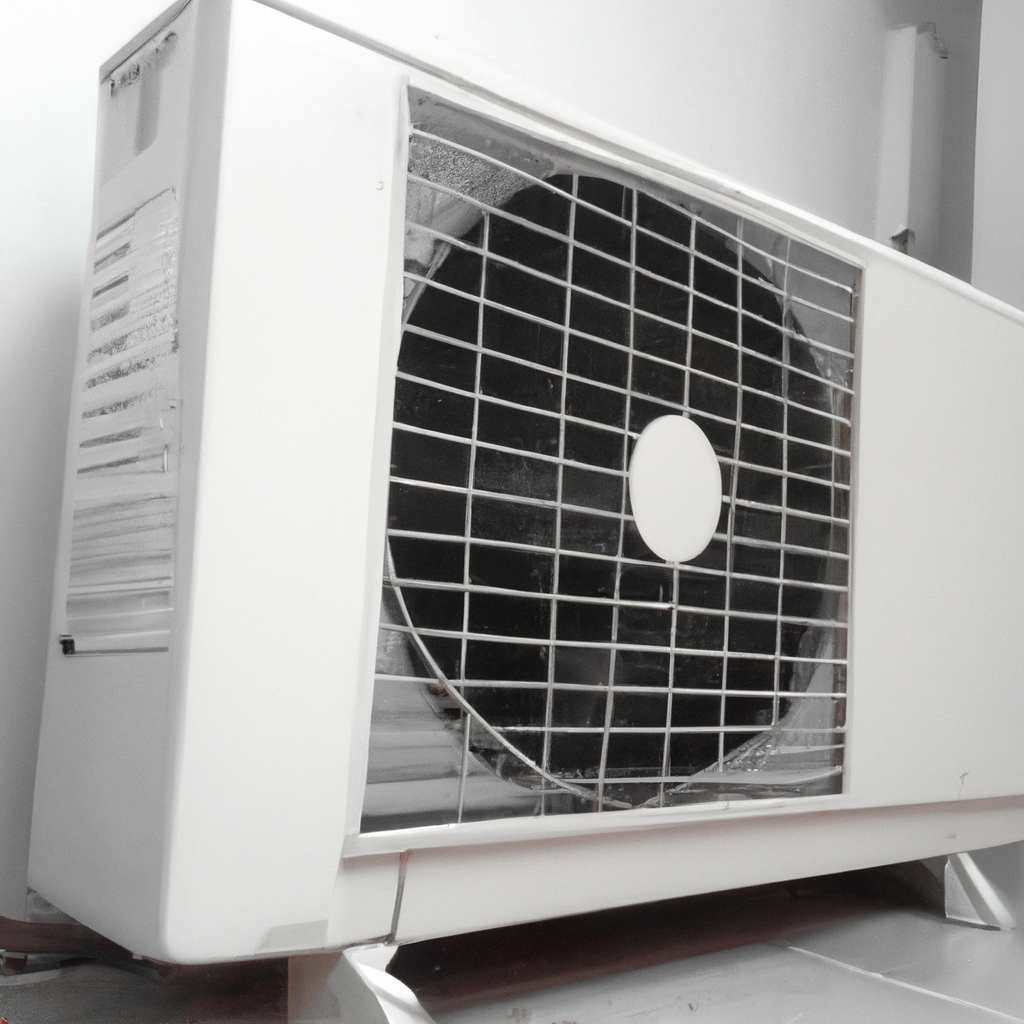
Condensing Unit: The condensing unit is typically located outside the house and contains the compressor and condenser coil. It is responsible for releasing heat from the refrigerant and condensing it into a liquid form.
Ductwork: The ductwork is a network of channels that distribute the cooled air from the air handler to different rooms in the house. Properly designed and insulated ductwork ensures efficient airflow throughout the home.
Refrigerant: The refrigerant is a chemical compound that circulates throughout the system, absorbing heat from the indoor air and releasing it outside. It undergoes phase changes from a gas to a liquid and back to a gas during the cooling process.
The Cooling Process in Central Air Conditioning
The cooling process in central air conditioning begins with the thermostat sensing that the indoor temperature is above the set point. Once the thermostat signals the system to start, the following steps occur:
Air Circulation: The air handler’s blower motor starts, drawing warm air from the house through the return air ducts.
Filtration: Before entering the system, the air passes through air filters that remove dust, allergens, and other particles, improving indoor air quality. Regular filter maintenance or replacement is essential for optimal system performance.
Cooling: The warm air passes over the evaporator coil, where the refrigerant absorbs heat from the air. As a result, the air is cooled and moisture is removed, reducing humidity levels.
Heat Release: The refrigerant, now in a gaseous state, travels to the condensing unit outside. The compressor increases the pressure and temperature of the refrigerant, causing it to release heat to the outdoor environment through the condenser coil.
Refrigerant Cycle: The refrigerant, now cooled and condensed into a liquid, returns to the evaporator coil, and the cycle repeats.
By understanding the components and the process involved, homeowners can appreciate the efficiency and effectiveness of central air conditioning. Proper maintenance and regular upkeep of the system, including tasks like cleaning the air conditioner coils and replacing air conditioner filters, are crucial for optimal performance and longevity. For more information, check out our article on air conditioner maintenance.
In situations where central air conditioning may not be feasible or preferred, alternatives such as window units and ductless mini-split systems can provide localized cooling solutions. These options are explored in the next section.
Advantages of Central Air Conditioning
Central air conditioning offers several advantages that make it a popular choice for homeowners. From consistent and even cooling to energy efficiency and enhanced indoor air quality, central air conditioning provides a comfortable and enjoyable living environment.
Consistent and Even Cooling
One of the primary benefits of central air conditioning is its ability to provide consistent and even cooling throughout the entire home. Unlike portable air conditioners or window units that only cool specific rooms, central air conditioning distributes cool air evenly to every room connected to the system. This ensures that every corner of your home remains at a comfortable temperature, regardless of its size or layout.
With central air conditioning, you can say goodbye to hot spots and temperature imbalances. The system uses a network of ducts to deliver cooled air to each room, providing a consistent and pleasant indoor environment. This even cooling helps to create a comfortable living space for you and your family, no matter where you are in the house.
Energy Efficiency
Central air conditioning systems are designed to be energy-efficient, making them a cost-effective cooling solution for your home. These systems are equipped with advanced technologies and components that maximize energy efficiency while providing optimal comfort.
One of the key features that contribute to energy efficiency is the ability to set different temperature zones within your home. This allows you to cool specific areas or rooms only when needed, minimizing energy consumption. Additionally, central air conditioning systems often come with programmable thermostats, enabling you to schedule temperature adjustments to align with your daily routine and save energy.
Furthermore, central air conditioning systems are engineered to meet modern energy efficiency standards. They use high-efficiency compressors, fans, and motors to reduce energy consumption while maintaining optimal performance. This not only helps to lower your energy bills but also benefits the environment by reducing greenhouse gas emissions.
Enhanced Indoor Air Quality
Another advantage of central air conditioning is its ability to improve indoor air quality. These systems typically include air filters that help to remove dust, pollen, pet dander, and other airborne particles from the indoor air. This is especially beneficial for individuals with allergies or respiratory conditions, as it helps to create a healthier and more comfortable living environment.
Central air conditioning systems with advanced filtration systems can also capture and eliminate harmful pollutants, such as bacteria, viruses, and mold spores. This further enhances indoor air quality and promotes a cleaner, fresher atmosphere inside your home.
To maintain optimal indoor air quality, it’s important to regularly clean or replace the air filters in your central air conditioning system. This ensures that the filters continue to effectively trap and remove contaminants from the air. For more information on air conditioner maintenance and filter replacement, check out our article on air conditioner filter replacement.
Central air conditioning provides consistent and even cooling, energy efficiency, and enhanced indoor air quality. These advantages make it a popular choice for homeowners looking for a reliable and effective cooling solution for their entire home. With proper sizing, routine maintenance, and regular filter cleaning, central air conditioning can keep your home comfortable and enjoyable year-round.
Factors to Consider
When considering the installation of a central air conditioning system, there are several important factors to take into account. These factors include proper sizing of the system, ductwork requirements, and maintenance and upkeep.
Proper Sizing of the System
Properly sizing your central air conditioning system is essential for optimal performance and energy efficiency. An oversized system will cycle on and off frequently, leading to inefficient operation and increased wear and tear. On the other hand, an undersized system will struggle to cool your home adequately.
To determine the proper size for your central air conditioning system, a professional HVAC technician will perform a load calculation. This calculation takes into account factors such as the size of your home, insulation levels, local climate, and more. By accurately assessing these factors, the technician can recommend the appropriate cooling capacity for your specific needs.
Ductwork Requirements
Central air conditioning systems rely on a network of ducts to distribute cooled air throughout your home. It’s important to ensure that your existing ductwork is in good condition and properly sized to accommodate the new system. Leaky or poorly insulated ducts can lead to energy loss and reduced efficiency.
If your home doesn’t have existing ductwork, the installation of a central air conditioning system may require the addition of ducts. This can involve significant construction work, so it’s important to consider the potential impact on your home and budget.
During the installation process, it’s crucial to have the ductwork properly sealed and insulated to minimize air leakage and maximize efficiency. Regular duct cleaning and maintenance are also important to ensure clean and efficient airflow. For more information on duct cleaning, check out our article on air conditioner duct cleaning.
Maintenance and Upkeep
Proper maintenance and regular upkeep are key to keeping your central air conditioning system running smoothly and efficiently. Regular maintenance tasks include cleaning or replacing air filters, inspecting and cleaning the coils, and checking refrigerant levels. It’s recommended to have a professional HVAC technician perform annual maintenance to ensure optimal performance and identify any potential issues before they become major problems. For more information on maintenance, refer to our article on air conditioner maintenance.
In addition to professional maintenance, there are some simple steps you can take to keep your central air conditioning system in good condition. These include keeping the outdoor unit clear of debris, ensuring proper airflow around the unit, and regularly cleaning the air vents and registers.
By considering these factors, you can ensure that your central air conditioning system is properly sized, your ductwork is in good condition, and you are committed to regular maintenance. This will help maximize the performance, energy efficiency, and lifespan of your central air conditioning system, keeping your home cool and comfortable for years to come.
Alternatives to Central Air Conditioning
While central air conditioning is a popular choice for cooling homes, there are alternative options available that may better suit certain situations. Two common alternatives to central air conditioning are window units and ductless mini-split systems.
Window Units
Window units are compact air conditioning systems that are designed to fit in a window or a specially designed opening in a wall. These units are self-contained and provide cooling for individual rooms or smaller spaces. Window units are a cost-effective option for those who may not require whole-house cooling or have limited space for installation.
Window units are relatively easy to install and can be a convenient solution for cooling specific areas of your home. They typically come with adjustable temperature settings, fan speeds, and timers for enhanced control over your indoor climate. However, it’s important to note that window units may obstruct natural light and limit visibility from the window they are installed in.
Ductless Mini-Split Systems
Ductless mini-split systems, also known as ductless air conditioners, consist of an outdoor compressor unit and one or more indoor air handling units. These systems do not require ductwork, making them a versatile option for homes that lack existing ducts or have limited space for installation.
Ductless mini-split systems offer individual zone cooling, allowing you to control the temperature of each room or zone independently. This level of control can help you save energy by only cooling the rooms that are in use. Additionally, ductless systems are known for their high energy efficiency and quiet operation.
The installation of a ductless mini-split system typically involves mounting the indoor units on the wall or ceiling and connecting them to the outdoor compressor unit. This flexibility in installation allows for greater customization and can be particularly beneficial for homes with specific cooling needs or architectural constraints.
Before deciding on an alternative to central air conditioning, it’s important to consider factors such as the size of the space you need to cool, your budget, and any specific requirements you may have. Consulting with a professional HVAC technician can help you determine the best cooling solution for your home. Remember to consider factors such as energy efficiency, maintenance requirements, and the overall cooling capacity of the system.
While central air conditioning provides whole-house cooling and consistent temperature control, alternatives like window units and ductless mini-split systems offer flexibility and targeted cooling solutions for specific areas. Each option has its own advantages and limitations, so it’s important to evaluate your needs and preferences before making a decision.
Conclusion
Central air conditioning offers homeowners a reliable and efficient cooling solution for their entire home. By understanding the importance of air conditioning and the benefits of central air conditioning, homeowners can make informed decisions about their cooling needs.
Central air conditioning systems consist of various components that work together to cool and distribute air throughout the home. With consistent and even cooling, homeowners can enjoy a comfortable indoor environment regardless of the outside temperature. The energy efficiency of central air conditioning systems helps to reduce electricity costs while providing optimal cooling performance. Additionally, central air conditioning systems contribute to enhanced indoor air quality by filtering out pollutants and allergens.
When considering central air conditioning for your home, it’s essential to take into account factors such as proper system sizing, ductwork requirements, and regular maintenance. A properly sized system ensures efficient operation and maximum cooling capacity. Adequate ductwork is crucial for the distribution of cool air throughout the home. Regular maintenance and upkeep help to prolong the lifespan of the system and maintain its efficiency.
While central air conditioning is a popular choice, there are alternatives available that may suit specific needs. Window units and ductless mini-split systems offer localized cooling options for individual rooms or smaller spaces. However, these alternatives may not provide the same level of consistent and even cooling as central air conditioning.
In conclusion, central air conditioning is a reliable and efficient cooling solution that provides consistent comfort throughout the entire home. By considering the factors mentioned and consulting with professionals, homeowners can select the most suitable cooling system for their needs. Whether it’s central air conditioning or an alternative option, maintaining a comfortable indoor temperature enhances the overall living experience.