
Transform Your Cooling Game: Diving into Ductless Air Conditioners
In Summary
Ductless air conditioners offer an efficient and flexible cooling solution for homes. They don't require ductwork, making installation easier and allowing for room-by-room temperature control. With their energy efficiency and versatility, ductless AC units are a great choice for improving your cooling system.
Understanding Air Conditioning Options
When it comes to creating a comfortable living space, air conditioning plays a vital role, especially during hot summer months. There are various types of air conditioners available on the market, each with its own unique features and benefits. One such option is the ductless air conditioner, which has gained popularity in recent years.
The Importance of Air Conditioning
Air conditioning is essential for maintaining a cool and comfortable indoor environment. It not only helps regulate the temperature but also reduces humidity, improves air quality, and provides relief from heat-related health issues. Whether you live in a hot and humid climate or simply wish to enhance your home’s comfort, air conditioning is a worthwhile investment.
Exploring Different Types of Air Conditioners
There are several types of air conditioners available, including portable air conditioners, window air conditioners, central air conditioning, and more. Each type has its own installation requirements, cooling capacity, and efficiency levels. It’s important to consider factors such as the size of your space, budget, and specific cooling needs when selecting the right air conditioning system for your home.
Introducing Ductless Air Conditioners
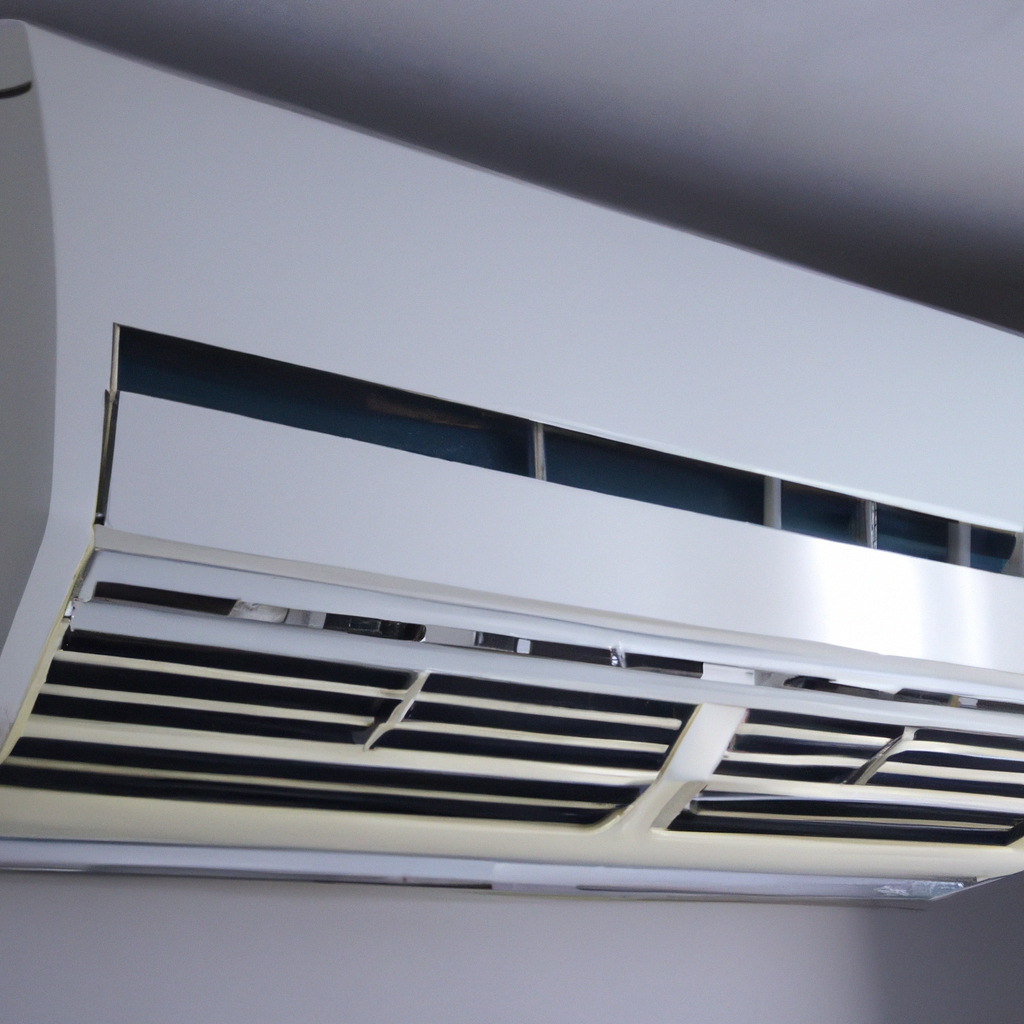
Ductless air conditioners, also known as mini-split air conditioners, are an alternative cooling solution that offers flexibility and efficiency. Unlike traditional central air conditioning systems, ductless air conditioners do not require ductwork to distribute cool air throughout the space. Instead, they consist of an outdoor unit and one or more indoor units, which are connected by refrigerant lines.
Ductless air conditioners provide individual control over temperature settings, allowing you to customize the comfort level in each room or zone. This feature is particularly beneficial for larger homes or spaces that have varying cooling needs. Additionally, the absence of ductwork eliminates the chances of air leakage and the need for duct cleaning, resulting in improved energy efficiency and indoor air quality.
In the following sections, we will delve deeper into the working principles, advantages, and considerations associated with ductless air conditioners. By understanding the intricacies of this cooling option, you can make an informed decision about whether ductless air conditioning is the right choice for your home.
What are Ductless Air Conditioners?
Ductless air conditioners, also known as mini-split air conditioners, are a popular cooling solution for homes that do not have traditional ductwork. These systems offer efficient and customizable cooling options, making them a practical choice for many homeowners.
How Ductless Air Conditioners Work
Ductless air conditioners consist of two main components: an outdoor unit and one or more indoor units. The outdoor unit contains the compressor and condenser, while the indoor units are responsible for distributing cool air into the room.
Unlike central air conditioning systems that rely on ducts to distribute cooled air, ductless systems use refrigerant lines to connect the outdoor unit to the indoor units. This eliminates the need for extensive ductwork, making installation easier and more flexible.
When the system is turned on, the outdoor unit compresses and cools the refrigerant, which is then sent to the indoor units through the refrigerant lines. Inside each indoor unit, a fan blows air over the cold coils, cooling the air before it is circulated back into the room. This process allows for precise temperature control in each individual zone.
Components of Ductless Air Conditioners
Ductless air conditioners consist of several key components that work together to provide efficient cooling. These components include:
Outdoor Unit: The outdoor unit houses the compressor, condenser, and expansion valve. It is typically installed outside the home or building.
Indoor Unit: Depending on the system’s design and cooling needs, there can be one or more indoor units. These units are mounted on the walls or ceilings of the rooms being cooled.
Refrigerant Lines: Refrigerant lines connect the outdoor unit to the indoor units, carrying the refrigerant back and forth.
Fan: Each indoor unit has a built-in fan that circulates the cool air throughout the room.
Remote Control: Ductless air conditioners often come with a remote control that allows users to adjust temperature settings, fan speed, and other features from a distance.
Ductless air conditioners offer several advantages, such as flexible installation options, energy efficiency benefits, and individual control over different zones. To determine if a ductless air conditioner is the right choice for your cooling needs, it’s important to consider factors like sizing and capacity, cost and budget considerations, and maintenance and upkeep. By assessing your specific requirements and consulting with professionals, you can make an informed decision about whether ductless air conditioning is the best option for your home.
Advantages of Ductless Air Conditioners
Ductless air conditioners offer several advantages that make them an appealing choice for homeowners. Let’s explore these advantages in more detail:
Flexible Installation Options
One of the key benefits of ductless air conditioners is their flexible installation options. Unlike traditional air conditioning systems that rely on ductwork, ductless air conditioners consist of an outdoor unit and one or more indoor units. This setup allows for easy installation in various areas of your home, without the need for extensive ductwork modifications.
With ductless air conditioners, you have the freedom to cool specific areas or rooms, depending on your needs. Each indoor unit can be installed independently and controlled separately, providing individual control over the temperature in different zones of your home. This zoning capability allows for greater energy efficiency and personalized comfort.
Energy Efficiency Benefits
Ductless air conditioners are known for their energy efficiency. They operate using advanced inverter technology, which allows the units to adjust their cooling capacity based on the current cooling demand. This means that ductless air conditioners can operate at lower power levels when the desired temperature is reached, reducing energy consumption and saving you money on utility bills.
Additionally, since ductless air conditioners don’t rely on ductwork to distribute cooled air, there is no energy loss associated with duct leaks or poorly insulated ducts. This makes them more efficient compared to central air conditioning systems that utilize ducts.
Zoning and Individual Control
One of the standout features of ductless air conditioners is their ability to provide zoning and individual control. With a ductless system, each indoor unit can be independently controlled, allowing different areas of your home to be cooled to different temperatures. This is particularly beneficial for larger homes or multi-story buildings where different zones may have varying cooling needs.
By having individual control over each indoor unit, you can customize the temperature in different rooms according to personal preferences. This not only enhances comfort but also helps to optimize energy usage by only cooling the areas that are occupied.
The advantages of ductless air conditioners make them a popular choice for homeowners seeking customizable cooling solutions with enhanced energy efficiency. When considering a ductless air conditioner, it’s important to take into account other factors like sizing and capacity, cost and budget considerations, and maintenance and upkeep. By evaluating your cooling needs and consulting with professionals, you can determine if a ductless air conditioner is the right choice for your home.
Considerations for Ductless Air Conditioners
Before investing in a ductless air conditioner, there are several important considerations to keep in mind. These considerations include sizing and capacity, cost and budget considerations, and maintenance and upkeep.
Sizing and Capacity
When choosing a ductless air conditioner, it’s essential to consider the size and capacity that will best suit your needs. The size of the room or area you want to cool will determine the appropriate size and capacity of the unit. A unit that is too small may struggle to cool the space effectively, while one that is too large may result in unnecessary energy consumption.
To determine the appropriate size and capacity, it’s recommended to consult with a professional HVAC technician. They will consider factors such as the size of the room, insulation, and heat-generating appliances to determine the optimal size and capacity for your specific needs.
Cost and Budget Considerations
Cost is an important factor to consider when purchasing a ductless air conditioner. The initial cost of the unit, as well as the installation process, should be taken into account. Ductless air conditioners generally require professional installation, which can add to the overall cost.
However, it’s important to weigh the initial cost against the potential long-term savings. Ductless air conditioners are known for their energy efficiency, which can result in lower energy bills over time. Additionally, some utility companies may offer rebates or incentives for installing energy-efficient cooling systems. It’s worth checking with your local utility provider to see if such incentives are available in your area.
Maintenance and Upkeep
Like any cooling system, ductless air conditioners require regular maintenance to ensure optimal performance and longevity. It’s important to keep the unit clean and free from dust and debris. Regularly cleaning or replacing the filters is essential to maintain proper airflow and prevent dust buildup.
Annual maintenance by a professional technician is also recommended. They can inspect the system, clean the coils, check refrigerant levels, and address any potential issues. Proper maintenance can help extend the lifespan of your ductless air conditioner and ensure it operates efficiently.
In conclusion, when considering a ductless air conditioner, it’s crucial to evaluate the sizing and capacity, cost and budget considerations, and maintenance and upkeep. By taking these factors into account, you can make an informed decision and choose a ductless air conditioning system that meets your cooling needs while staying within your budget.
Is Ductless Air Conditioning Right for You?
When considering air conditioning options for your home, it’s essential to determine if a ductless air conditioner is the right choice for you. Assessing your cooling needs, consulting with professionals, and weighing the pros and cons will help you make an informed decision.
Assessing Your Cooling Needs
Begin by evaluating your specific cooling requirements. Consider factors such as the size of your space, the number of rooms you want to cool, and your budget. Ductless air conditioners are ideal for cooling individual rooms or specific zones within your home. They provide localized cooling without the need for ductwork, allowing you to tailor the temperature to each room’s preferences. If you’re looking for a portable cooling solution, you may want to explore other options like a portable air conditioner.
Consulting with Professionals
Seeking advice from professionals in the HVAC industry is crucial when considering a ductless air conditioner. They can assess your home’s layout, insulation, and electrical capabilities to determine if a ductless system is compatible. HVAC professionals can also guide you on selecting the appropriate unit size and capacity, ensuring optimal cooling efficiency. For expert consultation, reach out to a reputable HVAC company in your area.
Weighing the Pros and Cons
Before making a decision, it’s important to weigh the pros and cons of ductless air conditioning. Let’s take a look at some key considerations:
Pros of Ductless Air Conditioning
- Flexible Installation: Ductless air conditioners offer flexible installation options, as they require only a small hole to connect the indoor and outdoor units. This makes them suitable for older homes or spaces where traditional ductwork is not feasible.
- Energy Efficiency: Ductless systems are known for their energy efficiency. They allow you to cool specific areas of your home, reducing energy waste by not cooling unused rooms.
- Zoning and Individual Control: With a ductless system, you can divide your home into different zones and control the temperature independently in each area. This provides personalized comfort and reduces energy consumption.
Cons of Ductless Air Conditioning
- Higher Upfront Cost: Ductless air conditioners generally have a higher upfront cost compared to traditional central air conditioning systems.
- Aesthetics: The indoor units of ductless systems are visible in the rooms they serve. While they come in sleek designs, some homeowners may prefer a more discreet cooling solution.
Considering these factors and your specific cooling needs will help you determine if a ductless air conditioner is the right choice for you.
By assessing your cooling needs, seeking professional advice, and weighing the pros and cons, you can make an informed decision about whether a ductless air conditioner is the best fit for your home. Remember to consider other air conditioning options, such as central air conditioning, to ensure you choose the system that meets your requirements and provides optimal comfort.