
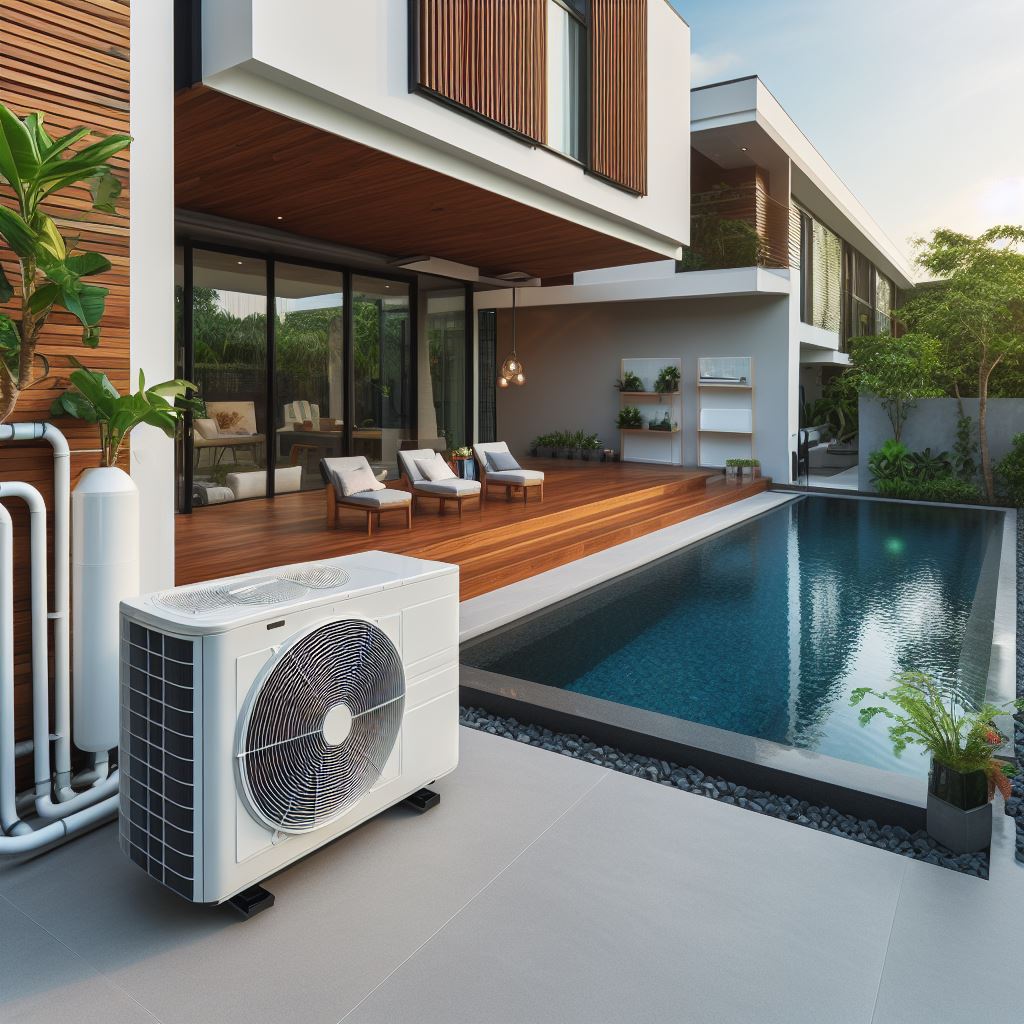
Dive into Efficiency: Discovering the Best Heat Pump for Swimming Pools
In Summary
A heat pump for a swimming pool is a device that uses electricity to capture and transfer heat from the surrounding air to warm up the pool water. It helps maintain a comfortable temperature for swimming, making the pool enjoyable even during colder seasons.
Keep Your Pool Comfortable: Introducing Heat Pumps
If you want to enjoy your swimming pool year-round, heat pumps can be a great solution to keep the water at a comfortable temperature. Heat pumps are energy-efficient devices that use electricity to transfer heat from the surrounding air, water, or ground to warm up the pool water. In this section, we will explore the concept of heat pumps for swimming pools and the benefits they offer.
Understanding Heat Pumps for Swimming Pools
Heat pumps for swimming pools work on the principle of extracting heat from the environment and transferring it to the pool water. They utilize a refrigeration cycle that consists of a compressor, condenser, expansion valve, and evaporator. This cycle allows the heat pump to capture heat energy and amplify it to heat the pool water.
Unlike traditional electric or gas heaters, heat pumps do not directly generate heat. Instead, they move heat from the air, water, or ground and transfer it to the pool water. This process makes heat pumps highly energy-efficient, as they can provide up to 5 times more heat energy compared to the electricity they consume.
Benefits of Using Heat Pumps
There are several benefits to using heat pumps for your swimming pool:
Energy Efficiency: Heat pumps are known for their energy efficiency, making them a cost-effective option for heating your pool. By utilizing heat from the environment, they can generate heat energy at a fraction of the cost compared to traditional heating methods.
Environmental Friendliness: Heat pumps produce fewer greenhouse gas emissions compared to gas heaters, making them a more environmentally friendly choice. They rely on renewable heat sources such as the air, water, or ground, reducing the reliance on fossil fuels.
Longer Swimming Season: With a heat pump, you can extend your swimming season, enjoying your pool even during cooler months. Heat pumps can maintain a comfortable water temperature, allowing you to swim and relax in your pool throughout the year.
Consistent Temperature Control: Heat pumps offer precise temperature control, allowing you to set and maintain the desired water temperature. This ensures that your pool water is always at a comfortable level, regardless of external weather conditions.
Low Maintenance: Heat pumps require minimal maintenance compared to other pool heating systems. Regularly cleaning the air filters and ensuring proper airflow is usually sufficient to keep the heat pump running smoothly.
By understanding the basics of heat pumps for swimming pools and the benefits they offer, you can make an informed decision when selecting the best heat pump for your pool. Consider factors such as pool size, energy efficiency, and climate conditions to choose a heat pump that suits your specific requirements. Remember to consult with a professional for guidance on the installation and maintenance of your heat pump to ensure optimal performance and longevity.
Types of Heat Pumps for Swimming Pools
When it comes to heating swimming pools, heat pumps are a popular choice due to their energy efficiency and effectiveness. There are three main types of heat pumps used for swimming pools: air-source heat pumps, water-source heat pumps, and ground-source heat pumps.
Air-Source Heat Pumps
Air-source heat pumps are the most commonly used type for swimming pools. These heat pumps extract heat from the surrounding air and transfer it to the pool water. They work efficiently in moderate climates where the air temperature remains above freezing.
One of the advantages of air-source heat pumps is their ease of installation and affordability. They require less space and infrastructure compared to other types of heat pumps. However, their performance may be affected by colder weather conditions, so they are best suited for regions with mild winters.
Water-Source Heat Pumps
Water-source heat pumps, also known as geothermal heat pumps, utilize the heat from a nearby water source such as a pond, lake, or well. They extract heat from the water and transfer it to the pool. These heat pumps are highly efficient, as water temperatures are generally more stable than air temperatures.
Water-source heat pumps are an excellent option for pools located in regions with colder climates. They can provide consistent heating throughout the year, regardless of external air temperatures. However, they require access to a water source, which may limit their installation options.
Ground-Source Heat Pumps
Ground-source heat pumps, also referred to as geothermal heat pumps, utilize the constant temperature of the ground to heat the pool water. These heat pumps extract heat from the ground through a series of underground pipes filled with a heat-transfer fluid. The fluid absorbs the heat from the ground and transfers it to the pool water.
Ground-source heat pumps are highly efficient and provide consistent heating throughout the year. They are ideal for both residential and commercial swimming pools and are well-suited for colder climates. However, installation can be more complex and costly compared to other types of heat pumps.
| Heat Pump Type | Suitable Climates | Pros | Cons |
|---|---|---|---|
| Air-Source Heat Pump | Moderate climates | Easy installation, affordability | Performance affected by colder weather |
| Water-Source Heat Pump | All climates | Stable heating, high efficiency | Requires access to a water source |
| Ground-Source Heat Pump | All climates | Consistent heating, high efficiency | Complex and costly installation |
Understanding the different types of heat pumps for swimming pools allows you to make an informed decision based on your specific needs and climate. Consider factors such as pool size, energy efficiency, and environmental considerations when selecting the best heat pump for your swimming pool. For more information on heat pump types, visit our article on types of heat pumps.
Factors to Consider
When choosing a heat pump for your swimming pool, there are several important factors to consider. These factors will help you determine the most suitable heat pump for your pool’s needs. Pool size and heating requirements, energy efficiency and operating costs, and climate and environmental considerations are key factors to keep in mind.
Pool Size and Heating Requirements
The size of your pool and the desired temperature increase are crucial factors in selecting the right heat pump. Larger pools require heat pumps with higher heating capacities to effectively warm the water. On the other hand, smaller pools may not need as powerful a heat pump. To determine the appropriate heating capacity for your pool, you can consult a professional or refer to manufacturer guidelines. It’s also worth considering whether you want to extend the swimming season or maintain a constant temperature throughout the year.
Energy Efficiency and Operating Costs
Energy efficiency is an important consideration when choosing a heat pump for your pool. Look for heat pumps with high energy efficiency ratings, as they consume less electricity while providing effective heating. Additionally, consider the operating costs associated with running the heat pump. Some heat pumps may have higher upfront costs but lower operating costs over time due to their energy-efficient performance. It’s also worth exploring incentives or rebates offered for energy-efficient heat pump installations to help offset the costs.
Climate and Environmental Considerations
The climate in which your pool is located plays a significant role in heat pump selection. For example, if you live in a colder climate, you may require a heat pump specifically designed to operate in low temperatures. These heat pumps are engineered to perform efficiently even when the ambient temperature drops. On the other hand, in warmer climates, you may have more flexibility in choosing a heat pump. Considering the environmental impact is also important. Opting for a heat pump that utilizes environmentally-friendly refrigerants can help reduce your carbon footprint.
By carefully considering these factors, you can choose a heat pump that meets your pool’s specific needs. Remember to consult professionals, refer to manufacturer guidelines, and assess the long-term costs and benefits of different heat pump options. With the right heat pump, you can enjoy a comfortably heated swimming pool throughout the swimming season.
Features to Look for in a Heat Pump
When selecting a heat pump for your swimming pool, there are several important features to consider. These features can greatly impact the performance and efficiency of the heat pump, ensuring that your pool remains comfortably heated throughout the swimming season. Here are three key features to look for when choosing a heat pump for your pool:
Heating Capacity and Efficiency
The heating capacity of a heat pump is a crucial factor to consider. It determines how effectively the heat pump can raise the temperature of your pool water. The heating capacity is typically measured in BTUs (British Thermal Units) or kilowatts (kW). It’s important to choose a heat pump with sufficient heating capacity to match the size of your pool. Refer to our article on pool heat pump for more details on calculating the appropriate heating capacity for your pool.
In addition to heating capacity, the efficiency of the heat pump is also vital. Look for a heat pump with a high coefficient of performance (COP). The COP indicates the amount of heat output generated per unit of electrical energy input. A higher COP means greater energy efficiency and lower operating costs. Energy-efficient heat pumps can save you money in the long run while minimizing your environmental impact.
Control and Automation Options
Convenience and ease of use are important considerations when choosing a heat pump for your pool. Look for a heat pump that offers control and automation options. These features allow you to easily adjust and monitor the temperature of your pool water. Some heat pumps come with user-friendly digital controls, allowing you to set desired temperature levels and program heating schedules.
Automation features such as timers and smart connectivity can also enhance the efficiency of your pool heating system. Timers allow you to schedule when the heat pump operates, ensuring that your pool is heated when you need it and saving energy during off-peak times. Smart connectivity enables you to control your heat pump remotely through a mobile app, providing convenience and flexibility.
Durability and Warranty
Investing in a durable and reliable heat pump is essential for long-term performance and peace of mind. Look for a heat pump that is built with high-quality materials and has a solid construction. Stainless steel or corrosion-resistant components can help ensure the longevity of the heat pump, especially in pool environments where exposure to water and chemicals is common.
A comprehensive warranty is also an important consideration. A reputable manufacturer will offer a warranty that covers the heat pump for a significant period, providing protection against any potential defects or issues. Be sure to review the warranty terms and conditions to understand what is covered and for how long.
By considering these important features, you can choose a heat pump that meets your pool heating requirements in terms of capacity, efficiency, control options, durability, and warranty coverage. Don’t forget to consult with a professional for the proper installation and regular maintenance of your heat pump to maximize its performance and lifespan.
Installation and Maintenance
Proper installation and maintenance play a crucial role in ensuring the optimal performance and longevity of your heat pump for swimming pools. By following recommended guidelines, you can enjoy a comfortable and efficient pool heating experience. Here are three key aspects to consider: professional installation, regular maintenance, and troubleshooting common issues.
Professional Installation
To ensure the correct installation of your heat pump for swimming pools, it is advisable to seek the expertise of a qualified professional. Professional installers have the knowledge and experience to properly assess your pool’s requirements and select the appropriate heat pump size and type. They will also ensure that the unit is correctly connected to the pool’s plumbing system and electrical supply.
During the installation process, the professional installer will consider factors such as the location of the heat pump, the availability of proper ventilation, and compliance with local building codes and regulations. By entrusting the installation to a professional, you can have peace of mind knowing that your heat pump is set up correctly and safely.
Regular Maintenance
Regular maintenance is essential to keep your heat pump for swimming pools operating at its best. It is recommended to follow the manufacturer’s guidelines for maintenance to ensure optimal performance and efficiency. Here are some maintenance tasks to consider:
Cleaning: Regularly clean the heat pump’s exterior and remove any debris, leaves, or obstructions that may restrict airflow. This helps to maintain proper ventilation and prevent overheating.
Filter Cleaning: If your heat pump is equipped with a filter, clean or replace it as recommended by the manufacturer. A clean filter ensures efficient airflow and helps keep the system free from dirt and debris.
Inspecting Connections: Periodically check the electrical connections and wiring to ensure they are secure and free from damage. Loose or damaged connections can affect the performance and safety of the heat pump.
Inspecting Coils: Inspect the evaporator and condenser coils for any signs of dirt or debris buildup. Clean the coils if necessary, as dirty coils can reduce the heat pump’s efficiency.
Checking Refrigerant Levels: It is important to periodically check the refrigerant levels and ensure they are within the manufacturer’s recommended range. Low refrigerant levels can impact the heat pump’s performance and efficiency.
Troubleshooting Common Issues
Occasionally, you may encounter common issues with your heat pump for swimming pools. While some issues may require professional assistance, there are a few troubleshooting steps you can take before seeking help:
Check Power Supply: Ensure that the heat pump is receiving power and that the circuit breaker or fuse is not tripped.
Thermostat Settings: Verify that the thermostat is set at the desired temperature and mode (heating or cooling).
Check Filters: If your heat pump has filters, inspect and clean them if necessary. Clogged filters can restrict airflow and impact performance.
Inspect for Obstructions: Check for any obstructions or debris that may be blocking the air intake or exhaust vents of the heat pump.
If you encounter persistent issues or are unsure about any troubleshooting steps, it is best to consult a professional technician who specializes in heat pump repairs.
By ensuring professional installation, regular maintenance, and addressing common issues, you can maximize the efficiency and lifespan of your heat pump for swimming pools. Remember to refer to the manufacturer’s guidelines and recommendations for specific maintenance instructions related to your heat pump model.