

Navigating the Complexity: Decoding the Heat Pump Installation Diagram
In Summary
Understanding heat pump installation diagrams is crucial for homeowners. These diagrams visually represent components and connections, aiding in system comprehension and troubleshooting. They illustrate electrical connections, refrigerant flow, and control wiring, enabling users to identify issues. Seek professional help for complex problems or electrical concerns to ensure safety and warranty compliance.
Introduction to Heat Pump Installation Diagrams
When it comes to understanding the installation and operation of a heat pump, heat pump installation diagrams play a crucial role. These diagrams provide a visual representation of the components and connections involved in a heat pump system. In this section, we will explore the importance of understanding these diagrams and how they work.
The Importance of Understanding Heat Pump Installation Diagrams
For homeowners, having a basic understanding of heat pump installation diagrams is essential. These diagrams help you comprehend the overall setup and functioning of your heat pump system. By familiarizing yourself with the components and connections, you can better troubleshoot issues, communicate effectively with professionals, and ensure proper maintenance of your heat pump.
When faced with a malfunctioning heat pump, being able to navigate the installation diagram can help you identify potential problems and take appropriate action. While it is always recommended to seek professional assistance for complex issues, having a grasp of the diagram can help you communicate your observations and concerns more effectively to the technician.
How Heat Pump Installation Diagrams Work
Heat pump installation diagrams are typically composed of various symbols and labels that represent different components and connections within the system. These diagrams provide a graphical representation of the heat pump’s structure and operation, making it easier to understand the flow of refrigerant, electrical connections, and control wiring.
By following the lines and symbols in the diagram, you can trace the path of the refrigerant, understand the electrical connections, and identify the different components involved. Understanding these connections and components is crucial for troubleshooting, maintenance, and even upgrading your heat pump system.
It’s important to note that heat pump installation diagrams may vary depending on the specific model and manufacturer. However, the fundamental principles and components remain relatively consistent across different systems.
To further enhance your understanding of heat pump diagrams, it can be helpful to explore related topics such as heat pump wiring diagrams, heat pump system diagrams, heat pump schematic diagrams.
By delving into the intricacies of heat pump installation diagrams, you can gain valuable insights into your heat pump system and become a more informed homeowner. With this knowledge, you’ll be better equipped to address any issues that may arise and maximize the efficiency and longevity of your heat pump.

Components of a Heat Pump Installation Diagram
To understand how a heat pump functions, it’s essential to familiarize yourself with the various components depicted in a heat pump installation diagram. These diagrams provide a visual representation of the heat pump system and its components, helping you to grasp the overall setup and configuration.
Outdoor Unit Components
The outdoor unit of a heat pump contains several key components that play a crucial role in the heat exchange process. These components include:
Compressor: The compressor is responsible for compressing the refrigerant gas, increasing its temperature and pressure.
Condenser Coil: The condenser coil is a heat exchanger that allows the hot refrigerant gas to release heat to the surrounding air or water.
Fan: The fan assists in the heat exchange process by blowing air across the condenser coil, facilitating the transfer of heat to or from the outdoor environment.
Expansion Valve: The expansion valve regulates the flow of the refrigerant, reducing its pressure and temperature as it enters the indoor unit.
Indoor Unit Components
The indoor unit of a heat pump also consists of several essential components. These components work together to distribute the conditioned air throughout your home. Some common indoor unit components include:
Evaporator Coil: The evaporator coil is responsible for absorbing heat from the indoor air. It acts as a heat exchanger, cooling the refrigerant and facilitating the transfer of heat from the indoor air to the refrigerant.
Air Handler: The air handler is the unit responsible for circulating the conditioned air throughout your home. It consists of a blower fan that pushes the air across the evaporator coil and through the ductwork system.
Reversing Valve: The reversing valve is a crucial component in a heat pump system. It controls the direction of refrigerant flow, allowing the heat pump to switch between heating and cooling modes.
Refrigerant Lines
Refrigerant lines connect the indoor and outdoor units of a heat pump, allowing the refrigerant to circulate between the two. These lines consist of two pipes: the suction line and the liquid line. The suction line carries the cool refrigerant gas from the indoor unit to the outdoor unit, while the liquid line transports the condensed refrigerant back from the outdoor unit to the indoor unit.
By understanding the outdoor unit components, indoor unit components, and refrigerant lines depicted in a heat pump installation diagram, you can gain a better understanding of how the heat pump system functions as a whole. For more detailed information on heat pump diagrams and other related topics, explore our article on heat pump diagram.
Decoding the Heat Pump Installation Diagram
Understanding the various components and connections in a heat pump installation diagram is essential for homeowners who want to familiarize themselves with their heating and cooling system. In this section, we will discuss three key aspects of decoding the diagram: electrical connections, identifying refrigerant flow, and interpreting control wiring.
Understanding Electrical Connections
The electrical connections in a heat pump installation diagram play a crucial role in the proper functioning of the system. These connections ensure that power is supplied to the different components of the heat pump. It’s important to understand the symbols and terminology used in the diagram to decipher the electrical connections accurately.
The diagram will typically depict the electrical connections between the indoor and outdoor units, as well as any additional components such as auxiliary heat strips or backup heating systems. The connections may include wires of different colors, each representing a specific function. For example, green wires are commonly used for the fan, while yellow wires are associated with the compressor.
To gain a deeper understanding of the electrical connections in a heat pump installation diagram, it’s beneficial to refer to a heat pump wiring diagram. This diagram provides a more detailed representation of the electrical components and connections, helping homeowners troubleshoot electrical issues if they arise. For more information on heat pump diagrams and related topics, visit our article on heat pump diagram.
Identifying Refrigerant Flow
Refrigerant flow is another vital aspect of a heat pump installation diagram. Understanding the direction and path of the refrigerant helps homeowners grasp how the heat pump functions and how heat transfer occurs within the system.
The diagram will illustrate the flow of refrigerant between the indoor and outdoor units, highlighting the different components involved, such as the compressor, evaporator coil, condenser coil, and expansion valve. By following the arrows or lines in the diagram, homeowners can trace the path of the refrigerant and gain a better understanding of how heat is absorbed from the indoor air and released to the outdoor environment.
Interpreting Control Wiring
Control wiring in a heat pump installation diagram refers to the wires that enable communication and control between the various components of the system. These wires connect the heat pump to the thermostat, allowing homeowners to adjust temperature settings and control the operation of the heat pump.
The control wiring may include different colored wires, each serving a specific purpose. For example, red wires are typically associated with power supply, while white wires are used for heating control. By understanding the symbols and terminology used in the diagram, homeowners can decipher the control wiring connections and troubleshoot any issues that may arise.
For a more detailed understanding of control wiring and related topics, homeowners can refer to our article on heat pump wiring diagram.
By decoding the electrical connections, identifying refrigerant flow, and interpreting control wiring in a heat pump installation diagram, homeowners can gain a better understanding of their heating and cooling system. This knowledge enables them to troubleshoot basic issues and communicate more effectively with professionals when seeking assistance. However, for complex problems or if you’re unsure, it’s always recommended to consult with a qualified technician or seek professional help.
Common Symbols and Terminology
To decipher a heat pump installation diagram, it’s essential to familiarize yourself with the common symbols and terminology used. Understanding these elements will enable you to accurately interpret the diagram and gain a better understanding of your heat pump system.
Symbols Used in Heat Pump Installation Diagrams
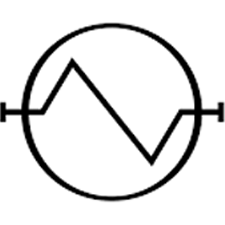
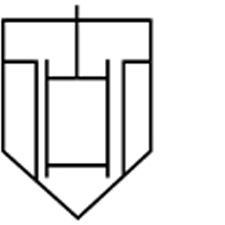
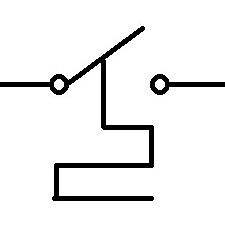
Heat pump installation diagrams often incorporate various symbols to represent different components and connections. Here are some of the commonly used symbols:
| Symbol | Description |
|---|---|
 | Compressor |
 | Fan |
 | Condenser |
 | Evaporator |
 | Thermostat |
 | Expansion Valve |
 | Flow Direction |
These symbols serve as visual representations of the various components and connections within the heat pump system. Understanding their meanings will help you navigate the diagram with ease.
Key Terminology to Know
In addition to symbols, it’s important to grasp the key terminology used in heat pump installation diagrams. Here are some essential terms to familiarize yourself with:
- Compressor: The component responsible for compressing the refrigerant, raising its temperature and pressure.
- Condenser: The heat exchanger where the refrigerant releases heat to the surroundings, causing it to condense from a gas to a liquid.
- Evaporator: The heat exchanger where the refrigerant absorbs heat from the surroundings, causing it to evaporate from a liquid to a gas.
- Thermostat: The device that senses and controls the temperature within the space being conditioned.
- Expansion Valve: The device that regulates the flow of refrigerant into the evaporator, controlling its pressure and temperature.
- Reversing Valve: The valve that allows for the reversal of the refrigerant flow, enabling the heat pump to switch between heating and cooling modes.
By familiarizing yourself with these terms, you’ll be able to comprehend the function and operation of different components within the heat pump system. If you’re interested in delving deeper into the intricacies of a heat pump system, you can refer to our article on heat pump system diagram.
Understanding the symbols and terminology used in heat pump installation diagrams will empower you to navigate and interpret the diagram effectively. This knowledge will prove invaluable when troubleshooting or discussing your heat pump system with professionals.
Troubleshooting with the Heat Pump Installation Diagram
When faced with issues or malfunctions in your heat pump system, the heat pump installation diagram can be a valuable tool for troubleshooting. By referring to the diagram, you can gain a better understanding of the system’s components and how they are interconnected. In this section, we will explore how you can use the heat pump installation diagram for basic troubleshooting and when it’s necessary to seek professional help.
Using the Diagram for Basic Troubleshooting
The heat pump installation diagram provides a visual representation of the various components and their connections within the system. When encountering problems with your heat pump, refer to the diagram to identify potential issues. Here are a few key areas to focus on:
Electrical Connections: Examine the electrical connections in the diagram, including the power supply, control wiring, and safety devices. Check for loose or damaged wires, blown fuses, or tripped circuit breakers. Ensure that the electrical connections are secure and properly connected. For a more detailed understanding of the electrical connections, you can refer to the heat pump wiring diagram.
Refrigerant Flow: The diagram illustrates the path of refrigerant through the heat pump system. Pay attention to the refrigerant lines, valves, and flow direction. If there are issues with cooling or heating, improper refrigerant flow could be a potential cause. Understanding the refrigerant flow can help you identify possible restrictions or leaks.
Control Wiring: The control wiring diagram in the heat pump installation diagram showcases the connections between the thermostat, control board, and other control devices. Check for any loose or disconnected wires, as well as any signs of damage. Issues with the control wiring can lead to erratic behavior or a complete system malfunction. If you need a more comprehensive understanding of the control wiring, you can refer to the heat pump system diagram.
By using the heat pump installation diagram as a reference, you can address basic troubleshooting steps and potentially resolve minor issues on your own. However, if you encounter complex problems or feel uncomfortable working with electrical components, it’s important to seek professional help.
When to Seek Professional Help
While the heat pump installation diagram can be a valuable resource for troubleshooting, there are instances where professional assistance is necessary. Consider the following scenarios:
Complex Issues: If the problem persists or is beyond your understanding, it’s best to consult a professional HVAC technician. They have the expertise and tools to diagnose and repair complex heat pump issues accurately.
Electrical Concerns: Working with electrical components can be dangerous if you are not experienced or confident in your abilities. If you encounter electrical issues or suspect wiring problems, it is safer to rely on a professional electrician or HVAC technician.
Warranty and Safety: Attempting repairs or modifications on your heat pump system without proper expertise may void the manufacturer’s warranty. It’s crucial to consult a professional to ensure compliance with warranty terms and maintain system safety.
Remember, the heat pump installation diagram serves as a guide, but it’s essential to prioritize your safety and the integrity of your system. When in doubt, it’s always best to rely on professionals who can provide expert assistance and ensure the proper functioning of your heat pump system.