
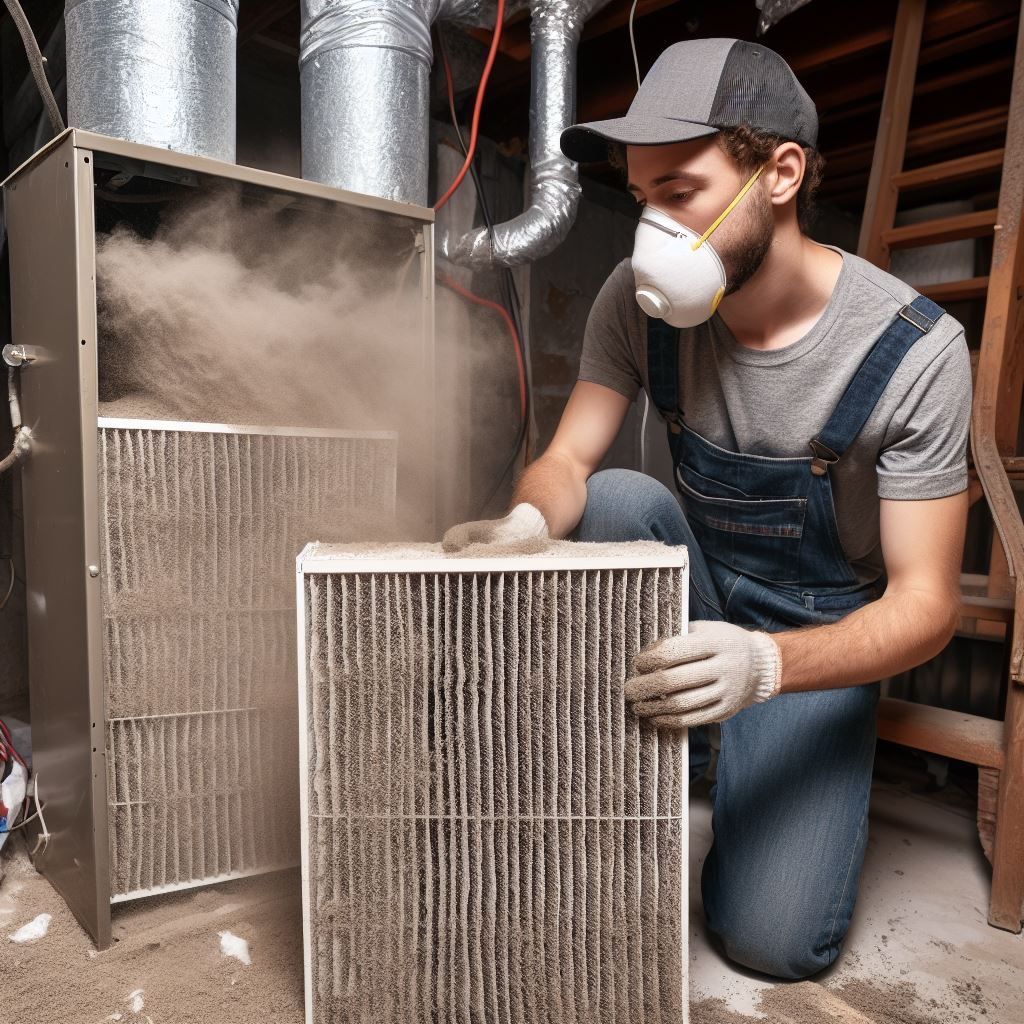
Efficiency Boost: Unlocking the Benefits of Furnace Filter Replacement
In Summary
Furnace filter replacement is the process of changing the filter in a heating system. It helps to improve air quality by removing dust, dirt, and allergens. Regularly replacing the filter ensures efficient operation and prolongs the life of the furnace.
Understanding Furnace Filters
When it comes to the efficient operation of your furnace, furnace filters play a vital role in maintaining optimal performance. Understanding the purpose of furnace filters and the importance of regular replacement is essential for keeping your furnace running smoothly.
The Purpose of Furnace Filters
Furnace filters are designed to trap dust, debris, allergens, and other airborne particles that circulate through your HVAC system. These filters act as a barrier, preventing these particles from entering your furnace and being redistributed throughout your home. By capturing these contaminants, furnace filters help improve the air quality in your living spaces, which is particularly important for individuals with respiratory conditions or allergies.
In addition to improving indoor air quality, furnace filters also protect the internal components of your furnace, such as the blower fan and heating elements, from dust and debris buildup. A clean filter ensures proper airflow, preventing strain on the furnace and maintaining its efficiency.
Importance of Regular Replacement
Regular replacement of furnace filters is crucial for optimal furnace performance. Over time, the accumulation of debris and particles in the filter can lead to reduced airflow, causing your furnace to work harder and consume more energy. This can result in higher energy bills and unnecessary strain on the system.
To ensure the efficient operation of your furnace, it is recommended to replace your furnace filter every three months or as recommended by the manufacturer. However, certain factors such as pets, smoking, or construction work in your home may require more frequent filter changes. Regular inspection of the filter is necessary to determine if replacement is needed sooner. For more information on furnace maintenance, check out our article on furnace maintenance.
When selecting a replacement filter, it is important to choose one that is compatible with your furnace system. The filter should have the appropriate sizing to fit the filter slot and maintain an effective seal. The compatibility and sizing information can usually be found in the furnace’s user manual or by consulting a professional HVAC technician.
Understanding the purpose of furnace filters and the importance of regular replacement is essential for maintaining a healthy and efficient HVAC system. By keeping your furnace filters clean and replacing them as needed, you can enjoy improved air quality, enhanced energy efficiency, and prolong the lifespan of your furnace.
Benefits of Furnace Filter Replacement
Regularly replacing your furnace filter offers several important benefits that contribute to the overall efficiency and effectiveness of your heating system. By understanding the advantages of furnace filter replacement, you can ensure a healthier and more comfortable environment in your home.
Improved Air Quality
One of the primary benefits of replacing your furnace filter is the improvement in air quality. Furnace filters are designed to capture and trap various airborne particles, such as dust, pollen, pet dander, and mold spores. Over time, these particles accumulate in the filter, reducing its efficiency and impairing its ability to effectively clean the air.
By replacing your furnace filter on a regular basis, you ensure that your HVAC system can efficiently remove these particles from the air circulating in your home. This leads to cleaner and fresher indoor air, which is especially beneficial for individuals with allergies or respiratory conditions. For more information on improving indoor air quality, check out our article on furnace filters.
Enhanced Energy Efficiency
A clean and properly functioning furnace filter plays a key role in improving the energy efficiency of your heating system. When the filter becomes clogged with debris, it creates a barrier that restricts airflow. As a result, your furnace has to work harder to push air through the system, leading to increased energy consumption and higher utility bills.
By replacing your furnace filter regularly, you ensure that air can flow freely through the system, reducing the strain on your furnace. This improved airflow allows your heating system to operate more efficiently, consuming less energy to achieve your desired indoor temperature. In turn, this can lead to cost savings and a more environmentally friendly home.
Extended Lifespan of Your Furnace
Proper maintenance, including regular furnace filter replacement, can extend the lifespan of your heating system. When the filter becomes clogged, it forces your furnace to work harder to maintain the desired temperature. This increased workload can put unnecessary strain on the components of your furnace, potentially leading to premature wear and tear.
By replacing your furnace filter according to the manufacturer’s recommendations, you help to ensure that your heating system operates at its optimal capacity. This reduces the risk of breakdowns and can extend the overall lifespan of your furnace. For more information on furnace maintenance, including filter replacement, check out our article on furnace maintenance.
By understanding the benefits of regular furnace filter replacement, you can take proactive steps to maintain the efficiency and effectiveness of your heating system. Improved air quality, enhanced energy efficiency, and an extended furnace lifespan are just a few of the advantages you can enjoy by prioritizing this important maintenance task.
Selecting the Right Furnace Filter
When it comes to selecting the right furnace filter for your home, there are several factors to consider. Understanding the different filter types, their efficiency ratings, and ensuring compatibility with your furnace system are key to making an informed choice.
Filter Types: Fiberglass, Pleated, Electrostatic
There are various types of furnace filters available on the market, each with its own advantages and characteristics. The most common filter types include fiberglass filters, pleated filters, and electrostatic filters.
- Fiberglass filters are the most basic and affordable option. They are constructed from layered fiberglass fibers that help trap larger particles such as dust and debris. However, they may not be as effective in capturing smaller particles or allergens.
- Pleated filters offer improved filtration compared to fiberglass filters. These filters have a larger surface area due to their pleated design, allowing them to capture a higher percentage of airborne particles, including smaller allergens. Pleated filters are available in various levels of filtration efficiency, so you can choose the one that suits your needs.
- Electrostatic filters use an electrostatic charge to attract and trap particles as they pass through the filter. These filters are effective at capturing smaller particles and can be either washable or disposable. Electrostatic filters are a good option for those with allergies or asthma as they can help improve indoor air quality.
MERV Ratings and Filter Efficiency
When selecting a furnace filter, it’s important to consider its Minimum Efficiency Reporting Value (MERV) rating. The MERV rating indicates the filter’s ability to capture particles of different sizes. A higher MERV rating corresponds to a higher level of filtration efficiency.
Here’s a general guideline for MERV ratings and their corresponding filter efficiency:
| MERV Rating | Filter Efficiency |
|---|---|
| 1 – 4 | Low efficiency; captures larger particles |
| 5 – 8 | Medium efficiency; captures larger particles and some allergens |
| 9 – 12 | High efficiency; captures smaller particles and most allergens |
| 13 – 16 | Very high efficiency; captures even smaller particles and fine particulate matter |
When choosing a filter, consider your specific needs. For households with individuals who suffer from allergies or respiratory issues, a filter with a higher MERV rating may be beneficial. However, it’s important to note that filters with higher MERV ratings may also impose greater airflow resistance, potentially impacting the performance of your furnace. Always check your furnace manufacturer’s recommendations to ensure the selected filter is compatible.
Sizing and Compatibility
In addition to filter type and MERV rating, it’s crucial to choose a filter that fits properly in your furnace system. Most filters are available in standard sizes, such as 16×20 inches or 20×25 inches. However, it’s important to measure your existing filter or consult your furnace manual to determine the appropriate size.
It’s also important to consider the compatibility of the filter with your furnace system. Different furnaces may have specific requirements for filter thickness or design. Consult your furnace manufacturer’s guidelines or seek professional advice to ensure you choose a filter that is compatible with your furnace.
By considering the different filter types, their efficiency ratings, and the compatibility with your furnace system, you can select the right furnace filter for your home. Regular replacement of your furnace filter is essential to maintain improved air quality, enhanced energy efficiency, and extended lifespan of your furnace. Remember to follow the manufacturer’s recommendations for filter replacement intervals to ensure optimal performance of your furnace system.
Signs It’s Time to Replace Your Furnace Filter
Regularly replacing your furnace filter is essential for maintaining the efficiency and effectiveness of your heating system. Over time, furnace filters can become clogged with dust, debris, and allergens, hindering airflow and reducing the overall performance of your furnace. Here are some signs that indicate it’s time to replace your furnace filter.
Reduced Airflow
One of the first signs that your furnace filter needs replacement is reduced airflow through your vents. If you notice that the airflow from your vents is weaker than usual or if some rooms in your home are not receiving adequate heating, it may indicate a clogged filter. A dirty or clogged filter restricts the passage of air, making it harder for your furnace to distribute warm air throughout your home. Replacing the filter can help restore proper airflow and improve the overall heating efficiency.
Increased Dust and Allergens
If you find an increase in dust accumulation on surfaces throughout your home, it could be a sign that your furnace filter is no longer effectively trapping airborne particles. A clogged filter allows dust, pet dander, pollen, and other allergens to circulate freely, leading to poor indoor air quality. This can be especially problematic for individuals with allergies or respiratory conditions. By replacing your furnace filter regularly, you can help reduce dust and allergens, creating a cleaner and healthier living environment. For more information on improving indoor air quality, check out our article on furnace filters.
Higher Energy Bills
A furnace filter that is clogged with debris forces your heating system to work harder to maintain your desired temperature. The increased strain on the system can lead to higher energy consumption and, consequently, higher energy bills. If you notice a sudden spike in your heating costs without any changes in your heating habits, it may be a sign that your filter needs replacement. By regularly replacing your furnace filter, you can help improve the energy efficiency of your heating system and potentially reduce your energy expenses.
Monitoring your furnace filter and recognizing these signs of replacement can help ensure that your heating system operates at its best. Remember to consult your furnace manufacturer’s guidelines or a professional for specific recommendations on filter replacement intervals based on your system and usage. By maintaining a clean and efficient furnace filter, you can enjoy improved air quality, enhanced energy efficiency, and an extended lifespan for your furnace.
How to Replace Your Furnace Filter
Regularly replacing your furnace filter is essential for maintaining the efficiency and longevity of your furnace. Follow these simple steps to ensure a smooth and effective furnace filter replacement process.
Locating the Filter
Begin by locating the air intake register in your home. This is usually situated near the furnace or in a central area, such as a hallway or utility room.
Once you’ve identified the air intake register, remove the cover or grille to access the filter compartment. In some cases, you may need a screwdriver or other tools to remove the cover.
Proper Removal and Disposal
Carefully slide out the old furnace filter from the compartment. Take note of the filter’s orientation, as it should be installed in the same way later.
Inspect the old filter for any signs of dirt, dust, or damage. If the filter appears clogged or excessively dirty, it’s a clear indication that it needs to be replaced.
Properly dispose of the old filter. Most furnace filters are disposable and can be thrown away with regular household waste. However, if you are using a reusable filter, follow the manufacturer’s instructions for cleaning and maintenance.
Installing a New Filter
Before installing the new filter, make sure to check its size and compatibility. The size of the filter is usually printed on the frame or indicated in the furnace’s user manual. Using an ill-fitting filter can compromise its effectiveness.
Insert the new furnace filter into the compartment, ensuring that it is properly aligned with the airflow direction. The airflow direction is typically indicated by an arrow or other markings on the filter itself.
Gently slide the filter into place, taking care not to force it or bend the filter frame. A properly installed filter should fit snugly within the compartment without any gaps or air leakage.
Replace the cover or grille of the air intake register, securing it back into position. Make sure it is properly aligned and securely fastened.
By following these straightforward steps, you can easily replace your furnace filter and maintain a healthy and efficient heating system. Remember to check and replace your furnace filter regularly, according to the manufacturer’s recommendations or at least every three months. This will help ensure optimal air quality, enhance energy efficiency, and extend the lifespan of your furnace. For more information on furnace maintenance, visit our article on furnace maintenance.