
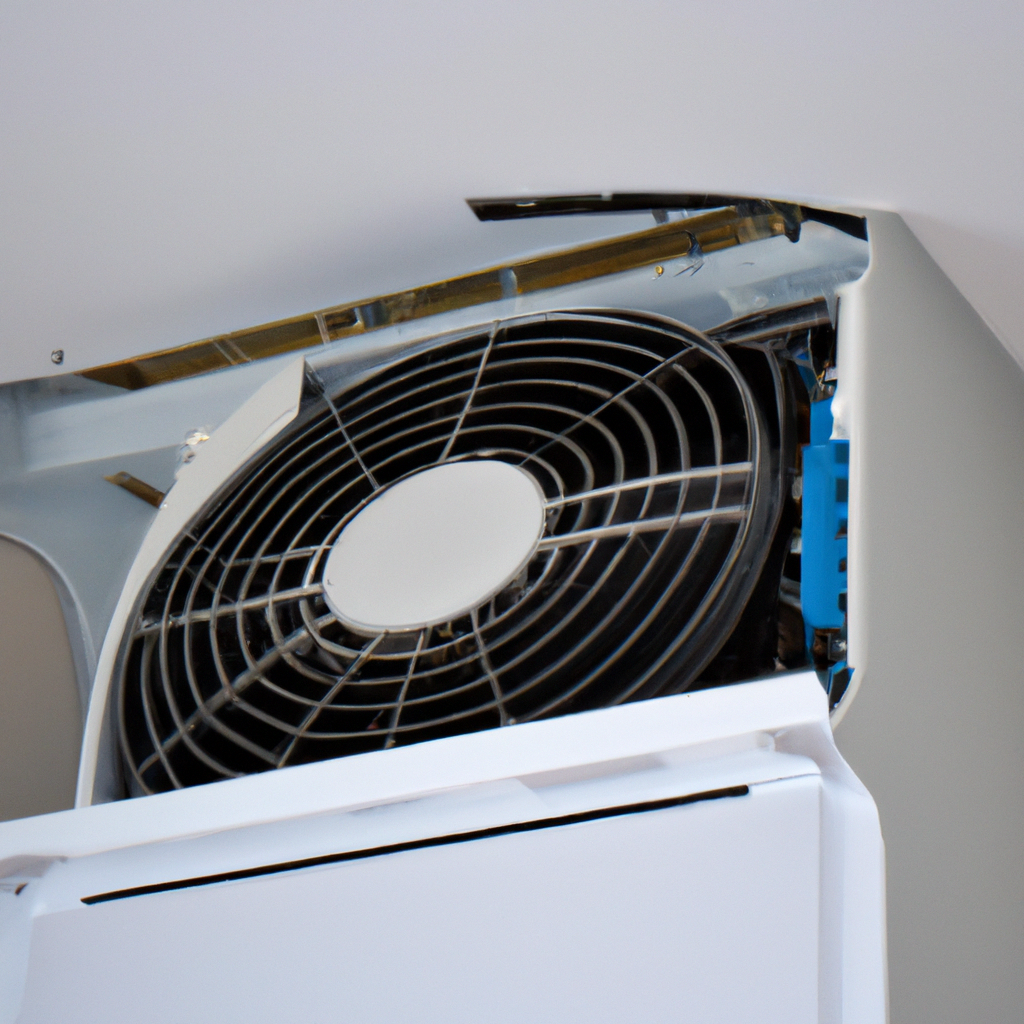
The Key to a Chilled Haven: Essential Air Conditioner Installation Steps
In Summary
Proper air conditioner installation is crucial for creating a comfortable environment. Ensure a successful installation by following essential steps, including selecting the right unit size for your space, positioning it correctly for efficient cooling, and securing it firmly to prevent vibrations and leaks. Regular maintenance and professional installation help maximize your AC's lifespan and performance.
Introduction to Air Conditioner Installation
Installing an air conditioner is a crucial step in creating a comfortable and cool environment within your home. Proper installation is essential to ensure optimal performance and energy efficiency of the air conditioner. In this section, we will explore the importance of proper air conditioner installation and discuss the key steps involved in a successful installation.
The Importance of Proper Air Conditioner Installation
Proper air conditioner installation is vital for several reasons. Firstly, it ensures that the air conditioner functions at its highest efficiency, providing effective cooling and maintaining a comfortable indoor environment. A well-installed air conditioner can also help reduce energy consumption and lower utility bills.
Moreover, proper installation helps prevent potential issues that can arise from improper connections or inadequate positioning of the system. These issues may include inefficient cooling, air leaks, and even potential damage to the air conditioner itself. By investing in professional installation or following the correct installation steps, you can avoid such problems and extend the lifespan of your air conditioner.
Key Steps for a Successful Installation
To achieve a successful air conditioner installation, it is important to follow a systematic approach. Here are the key steps involved:
Choosing the Right Location: Selecting an appropriate location for both the indoor and outdoor units is crucial. Factors such as accessibility, proper ventilation, and protection from direct sunlight or extreme weather conditions should be considered. For more information on choosing the right location, refer to our article on air conditioner installation.
Determining the BTU Requirements: It’s essential to calculate the cooling capacity needed for your space, measured in British Thermal Units (BTU). Factors such as room size, insulation, and local climate play a role in determining the ideal BTU requirement. For a comprehensive guide on determining the BTU requirements, visit our article on air conditioner BTU.
Gathering the Necessary Tools and Equipment: Before starting the installation process, ensure that you have all the required tools and equipment readily available. This may include a drill, screws, mounting brackets, refrigerant lines, electrical wiring, and various connectors. Having everything prepared in advance will streamline the installation process.
By following these key steps, you can ensure a smooth and successful air conditioner installation. It is important to note that each installation may vary depending on the specific air conditioner model and the complexity of the installation. If you are unsure about any step or encounter difficulties during the installation process, it is recommended to seek professional assistance to avoid any potential issues.
In the next sections, we will delve into the detailed steps involved in the installation process, covering mounting the indoor unit, installing the outdoor unit, connecting refrigerant lines, electrical wiring and connections, and insulating and sealing. Stay tuned to learn more about each step and ensure a hassle-free air conditioner installation process.
Pre-Installation Preparation
Before diving into the air conditioner installation process, there are several crucial steps that should be taken to ensure a successful installation. These steps include choosing the right location, determining the BTU requirements, and gathering the necessary tools and equipment.
Choosing the Right Location
Selecting the ideal location for your air conditioner is essential for its optimal performance. Consider the following factors when choosing the installation spot:
Indoor Unit: The indoor unit of the air conditioner should be placed in a room or area where you spend a significant amount of time. It’s important to choose a location that allows for efficient airflow and easy access for maintenance. Additionally, ensure that the area has sufficient space for proper installation and any required clearances.
Outdoor Unit: The outdoor unit should be placed in a well-ventilated area, away from direct sunlight and any obstructions. It’s crucial to provide enough clearance around the unit for proper airflow and to prevent any potential damage.
Determining the BTU Requirements
The BTU (British Thermal Unit) rating of an air conditioner is a measure of its cooling capacity. It is essential to determine the appropriate BTU requirements for your space to ensure efficient and effective cooling. Factors such as room size, insulation, ceiling height, and the number of windows and occupants can influence the required BTU.
To determine the approximate BTU requirements, you can use a BTU calculator or consult with a professional. By accurately assessing the cooling needs of your space, you can choose an air conditioner that is suitable for your specific requirements.
Gathering the Necessary Tools and Equipment
Before starting the installation process, it’s vital to gather all the necessary tools and equipment. This ensures that you have everything you need to properly install your air conditioner. Here are some tools and equipment you may need:
- Power drill: Used for mounting brackets and making holes for wiring and tubing.
- Level: Ensures that the indoor and outdoor units are properly aligned and leveled during installation.
- Wrenches and pliers: Used for tightening connections and securing various components.
- Screwdriver: Needed for removing and installing screws during the installation process.
- Tubing cutter: Required for cutting refrigerant lines to the appropriate length.
- Electrical wire and connectors: Used for electrical connections between the air conditioner and power supply.
- Insulation tape: Required for insulating and sealing refrigerant lines and electrical connections.
By gathering all the necessary tools and equipment beforehand, you can streamline the installation process and avoid any unnecessary delays.
Proper pre-installation preparation is crucial for a successful air conditioner installation. By choosing the right location, determining the correct BTU requirements, and gathering the necessary tools and equipment, you can ensure that the installation process goes smoothly and sets the foundation for a well-functioning cooling system.
Installation Steps
Proper installation is crucial for ensuring the effective and efficient operation of an air conditioner. Follow these key installation steps to achieve a successful installation:
Step 1: Mounting the Indoor Unit
The first step in the installation process is to mount the indoor unit of the air conditioner. Select a suitable location on the wall, preferably at a height that allows for proper air circulation. Ensure that the unit is securely mounted and level to prevent any issues during operation.
Step 2: Installing the Outdoor Unit
Next, install the outdoor unit of the air conditioner. Choose an appropriate location outside the building that allows for proper airflow and is away from direct sunlight and other obstructions. Place the unit on a stable surface or mount it securely on a wall bracket, following the manufacturer’s instructions.
Step 3: Connecting the Refrigerant Lines
Connect the refrigerant lines between the indoor and outdoor units. These lines are responsible for transporting refrigerant, which plays a crucial role in the cooling process. Ensure that the refrigerant lines are properly insulated to prevent any heat gain or loss during operation.
Step 4: Electrical Wiring and Connections
Proper electrical wiring and connections are essential for the safe and efficient operation of the air conditioner. Hire a licensed electrician to handle the electrical work, including connecting the units to the power supply and installing any necessary circuit breakers or disconnect switches. Ensure that the electrical connections comply with local electrical codes and regulations.
Step 5: Insulating and Sealing
To optimize energy efficiency and prevent air leaks, it is important to insulate and seal the openings around the air conditioner units. Proper insulation helps to maintain the desired temperature and prevents the loss of cooled air. Seal any gaps or cracks to prevent the ingress of outdoor air and the escape of conditioned air.
By following these installation steps, you can ensure that your air conditioner is properly installed and ready to provide a cool and comfortable environment. Remember to consult the manufacturer’s instructions and guidelines throughout the installation process for specific requirements and recommendations. For further guidance or assistance, consider consulting a professional HVAC technician.
Continue to the next section to learn about the testing and commissioning process, as well as tips for troubleshooting common issues that may arise during air conditioner installation.
Testing and Commissioning
Once the air conditioner installation process is complete, it is crucial to thoroughly test and commission the system to ensure proper functionality. This involves checking for any issues, troubleshooting common problems, and implementing maintenance practices for long-term efficiency.
Checking for Proper Functionality
To ensure that the air conditioner is functioning as intended, it is essential to conduct a series of tests. These tests include:
Power and Controls: Verify that the air conditioner is receiving power and that all controls are functioning correctly. This includes checking the operation of the thermostat, mode selection, and fan speed adjustments.
Airflow: Ensure that the air conditioner is providing adequate airflow throughout the space. Check the vents and registers for proper air distribution, and verify that the air filter is clean and correctly installed. For more information on air conditioner filters, refer to our article on air conditioner filters.
Temperature: Set the desired temperature and monitor the air conditioner’s ability to reach and maintain that temperature. Make sure that the air conditioner is cooling or heating effectively based on the selected mode.
Drainage: Check for proper drainage of condensate water. Ensure that the air conditioner is effectively removing moisture and that there are no leaks or pooling of water. If you notice any issues, refer to our article on air conditioner leaking water for troubleshooting steps.
Troubleshooting Common Issues
During the testing phase, it is possible to encounter common issues that may affect the air conditioner’s performance. Some common issues and their potential solutions include:
Inadequate Cooling or Heating: If the air conditioner is not providing sufficient cooling or heating, check the air filter, outdoor unit, and refrigerant levels. Ensure that the system is clean, free of debris, and that the refrigerant charge is correct. If the problem persists, consult a professional for further diagnosis and repair. For more troubleshooting tips, refer to our article on air conditioner not cooling.
Airflow Restrictions: If the airflow seems weak or restricted, check for any obstructions in the air ducts or vents. Clean or replace the air filter if it is dirty or clogged. Additionally, ensure that there are no furniture or objects obstructing the airflow. For tips on air conditioner maintenance, refer to our article on air conditioner maintenance.
Unusual Noises: If you hear abnormal or loud noises coming from the air conditioner, inspect the unit for loose components or debris. Tighten any loose screws or bolts and ensure that there are no foreign objects interfering with the fan or blower. If the noise persists, contact a professional for further investigation.
Final Tips for Maintenance and Efficiency
To maintain the efficiency and longevity of your air conditioner, consider the following tips:
Regular Maintenance: Schedule regular maintenance tasks such as cleaning or changing the air filter, cleaning the coils, and inspecting the outdoor unit for debris. These maintenance practices will help optimize the performance of your air conditioner and prevent potential issues.
Energy Efficiency: Maximize energy efficiency by setting the air conditioner to the appropriate temperature and utilizing energy-saving features if available. Consider upgrading to an energy-efficient air conditioner to reduce energy consumption and save on utility costs.
Professional Service: If you encounter complex issues or require extensive repairs, it is recommended to seek professional assistance from a qualified HVAC technician. Regular professional maintenance can also help identify and address potential problems before they escalate.
By thoroughly testing the air conditioner and addressing any potential issues, you can ensure that your newly installed system operates efficiently and provides optimal cooling or heating for your space. Implementing regular maintenance practices will help extend the lifespan of your air conditioner and maintain its performance over time.