
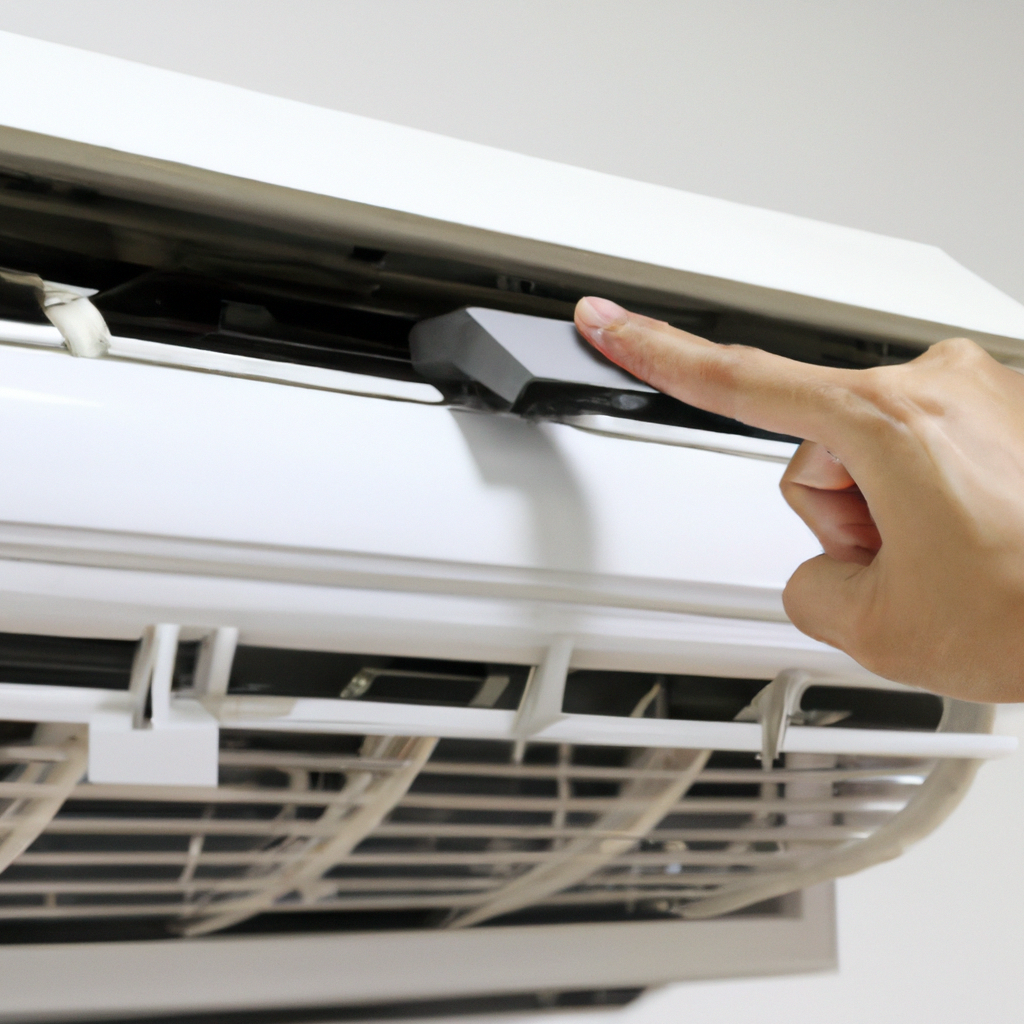
Conquer the Heat: Effective Air Conditioner Troubleshooting Techniques
In Summary
To conquer heat with effective air conditioner troubleshooting, start by checking for basic issues like dirty filters or blocked vents. Ensure the thermostat settings are correct, and if the AC still doesn't work, examine electrical connections and consider professional help for refrigerant or compressor problems. Regular maintenance can prevent many issues and keep your AC running smoothly.
Understanding Air Conditioner Troubleshooting
To keep your air conditioner running smoothly and efficiently, it’s important to be familiar with air conditioner troubleshooting techniques. Regular maintenance and timely troubleshooting can help prevent major issues and ensure that your air conditioner operates at its best. In this section, we will explore the importance of air conditioner maintenance and highlight some common air conditioner problems you may encounter.
The Importance of Air Conditioner Maintenance
Regular air conditioner maintenance is essential to keep your cooling system in optimal condition. By performing routine maintenance tasks, you can prolong the lifespan of your air conditioner, improve its energy efficiency, and prevent potentially costly repairs.
Proper maintenance includes tasks such as cleaning or replacing air filters, cleaning the condenser coils, clearing debris from the outdoor unit, and checking refrigerant levels. These tasks help ensure that your air conditioner is able to effectively cool your home and maintain good indoor air quality. For a detailed guide on air conditioner maintenance, refer to our article on air conditioner maintenance.
Common Air Conditioner Problems
Even with regular maintenance, air conditioners can experience problems due to various factors. Some common issues include:
Inadequate Cooling: If your air conditioner is not cooling your space as effectively as it used to, it could be due to a dirty air filter, low refrigerant levels, or issues with the condenser unit. Refer to our article on air conditioner not cooling for troubleshooting tips.
Uneven Cooling: If certain areas of your home are cooler than others, it may be a result of improper air distribution or blockage in the air ducts. Check for obstructions and consider having your ducts inspected and cleaned by a professional. Learn more in our article on cooling system.
Air Conditioner Not Cooling at All: If your air conditioner fails to cool your home at all, it could be due to a malfunctioning compressor, a refrigerant leak, or electrical issues. These problems typically require professional attention. Refer to our article on air conditioner repair to find a reliable HVAC technician.
By understanding the importance of maintenance and being aware of common air conditioner problems, you can troubleshoot issues promptly and efficiently. However, there are instances when it’s best to leave the repairs to a professional. In the next section, we will discuss when to call a professional for air conditioner repairs.
Basic Troubleshooting Techniques
When your air conditioner is not functioning properly, there are a few basic troubleshooting techniques you can try before seeking professional help. These techniques can help you identify and resolve common issues that may be affecting your air conditioner’s performance.
Check the Power Supply
Before diving into more complex troubleshooting, start by ensuring that your air conditioner is receiving power. Check if the power cord is securely plugged into an outlet and that the circuit breaker or fuse controlling the air conditioner’s circuit is not tripped or blown. If the circuit breaker has tripped, reset it and monitor if the air conditioner starts working again.
If the power supply is not the issue, move on to the next troubleshooting technique.
Clean or Replace Air Filters
Clogged or dirty air filters can significantly impact the performance and efficiency of your air conditioner. Over time, dust, dirt, and debris accumulate on the filters, obstructing the airflow and reducing the cooling capacity of the unit.
To address this issue, locate the air filters in your air conditioner. Depending on the type of unit you have, the filters may be found in the indoor unit or in the return air ducts. Remove the filters and inspect them for dirt and debris. If they are dirty, clean them according to the manufacturer’s instructions. In some cases, the filters may be washable, while others may require replacement. If replacement filters are needed, make sure to use filters that are compatible with your specific air conditioner model.
Regularly cleaning or replacing the air filters can improve the airflow, enhance cooling efficiency, and even prolong the lifespan of your air conditioner. For more information on air filters and their maintenance, visit our article on air conditioner filters.
Clear Debris from Outdoor Unit
If your air conditioner’s outdoor unit is not functioning properly, it could be due to a buildup of debris such as leaves, dirt, or grass clippings. This accumulation can obstruct the airflow and cause the unit to work harder, leading to reduced cooling efficiency.
To address this issue, carefully inspect the outdoor unit and remove any visible debris. Use a soft brush or a vacuum cleaner with a brush attachment to gently clean the unit’s exterior. Take caution not to damage any fragile components.
It’s important to note that for safety reasons, you should always turn off the power to the air conditioner before performing any maintenance tasks. If you’re unsure about how to safely clean the outdoor unit, consult the manufacturer’s instructions or consider contacting a professional for assistance.
By performing these basic troubleshooting techniques, you can potentially resolve common issues and restore the proper functioning of your air conditioner. However, if these techniques do not resolve the problem or if you encounter more complex issues, it may be necessary to seek professional help. In the next section, we will discuss when it’s appropriate to call a professional and how to find a reliable HVAC technician.
Addressing Cooling Issues
When your air conditioner is not providing adequate cooling, it can be frustrating, especially during hot summer months. Understanding the possible causes and troubleshooting techniques can help you address cooling issues efficiently. Here are some common cooling problems you may encounter:
Inadequate Cooling
If your air conditioner is running but not cooling your home effectively, there are a few potential causes to consider. First, check the thermostat settings to ensure it is set to the desired temperature. If the temperature setting is correct, check the air filters. Clogged or dirty filters can restrict airflow and reduce cooling performance. Clean or replace them as needed to improve airflow and maximize cooling efficiency. For more information on air conditioner filters, visit our article on air conditioner filters.
Another possible cause of inadequate cooling is a dirty condenser coil. Over time, the outdoor unit’s condenser coil can accumulate dirt and debris, hindering its ability to release heat. Regular cleaning of the condenser coil can help improve cooling efficiency. Refer to our article on air conditioner coil cleaning for detailed instructions on how to clean the coil.
Uneven Cooling
Uneven cooling, where certain areas of your home feel colder or warmer than others, can be a result of various factors. One common cause is improper airflow due to blocked or closed vents. Ensure that all vents are open and unobstructed to allow even distribution of cool air throughout your home.
Another possible reason for uneven cooling is leaky or poorly insulated ductwork. Leaks or gaps in the ducts can lead to air loss, resulting in inconsistent cooling. Consider hiring a professional to inspect and seal any leaks in your ductwork to optimize cooling performance.
Air Conditioner Not Cooling at All
If your air conditioner is not cooling at all, there may be a more significant issue that requires professional attention. However, before calling a technician, check a few things. Ensure that the thermostat is set to the cooling mode and the temperature is lower than the current room temperature. If the thermostat settings are correct, check the circuit breaker to ensure the air conditioner’s power supply is not interrupted.
If the power supply and thermostat settings are fine, it may be time to contact a reliable HVAC technician. They have the expertise to diagnose and repair complex issues related to the compressor, refrigerant levels, or other mechanical components.
By addressing cooling issues promptly, you can ensure that your air conditioner operates efficiently and keeps your home comfortable during the hottest days. However, if the troubleshooting techniques mentioned above do not resolve the problem, it’s essential to seek professional help to avoid further complications. Remember to conduct regular maintenance and cleanings to prevent future cooling issues and prolong the lifespan of your air conditioner.
Dealing with Airflow Problems
When your air conditioner is experiencing airflow problems, it can significantly impact its cooling performance and overall efficiency. Here are some common airflow issues you may encounter: weak airflow, no airflow, and strange noises from air vents.
Weak Airflow
Weak airflow from your air conditioner can be frustrating, as it may not effectively cool your space. Several factors can contribute to this problem. One common cause is a clogged or dirty air filter. Over time, dust and debris accumulate in the filter, obstructing the airflow. Regularly cleaning or replacing the air filters can help improve airflow and prevent further issues.
Another potential cause of weak airflow is a blocked or damaged air duct. Inspect your air ducts for any obstructions, such as furniture, curtains, or other objects that may be blocking the airflow. Additionally, check for any visible damage to the ducts that may require professional repair.
No Airflow
If you notice that your air conditioner is not producing any airflow, there may be a more serious issue at hand. One possible cause is a faulty fan or motor. The fan is responsible for circulating the air, and any malfunction can result in no airflow. In this case, it is advisable to contact a professional HVAC technician to diagnose and repair the problem.
Another potential cause of no airflow is a faulty compressor. The compressor is responsible for compressing the refrigerant and facilitating the cooling process. If the compressor is not functioning correctly, it can lead to a lack of airflow. This issue requires professional attention to assess and repair the compressor.
Strange Noises from Air Vents
Unusual noises coming from your air vents can indicate airflow problems within your air conditioner. These noises can range from rattling and buzzing to whistling or hissing sounds. One possible cause is a loose or damaged ductwork. In such cases, the air can escape through gaps or loose connections, resulting in unusual noises. Inspecting and repairing the ductwork can help resolve this issue.
Additionally, obstructions in the air vents can also cause strange noises. Objects like leaves, debris, or even small animals may find their way into the vents, causing unusual sounds when the air passes through. It’s important to check for any obstructions and remove them to restore proper airflow.
If you encounter airflow problems with your air conditioner, it’s essential to address them promptly to prevent further damage and ensure optimal cooling performance. While simple issues like dirty filters can be resolved through regular maintenance, more complex problems may require professional assistance. If you’re unsure or unable to resolve the issue on your own, don’t hesitate to reach out to a reliable HVAC technician who can diagnose and repair the problem efficiently.
For more information on air conditioner troubleshooting and maintenance, visit our article on air conditioner maintenance.
Troubleshooting Electrical and Mechanical Issues
When encountering issues with your air conditioner, it’s important to investigate potential electrical and mechanical problems. In this section, we will discuss three common issues that fall into this category: thermostat problems, leaking water, and a frozen coil.
Thermostat Problems
A malfunctioning thermostat can lead to temperature inconsistencies and inefficient cooling. If your air conditioner is not responding to changes in temperature settings or is not cycling on and off properly, the thermostat may be the culprit.
To troubleshoot thermostat problems, start by checking the power source and ensuring that it has a fresh battery. Next, confirm that the thermostat is set to the desired temperature and the cooling mode is activated. If the issue persists, it may be necessary to recalibrate or replace the thermostat. Consult a professional HVAC technician for assistance with more complex thermostat issues.
Leaking Water
If you notice water pooling around your air conditioner, it’s crucial to address the issue promptly. Water leakage can indicate a problem with the condensate drain line or a clogged drain pan.
To troubleshoot this issue, start by inspecting the condensate drain line for any clogs or blockages. Clear any debris that may be obstructing the flow of water. Additionally, check the drain pan for cracks or damage, as this can also contribute to water leakage. If you’re unable to resolve the issue on your own, it’s recommended to seek professional help from an HVAC technician to prevent further damage.
Frozen Coil
A frozen coil is a common problem that can hinder the cooling performance of your air conditioner. This issue is often caused by restricted airflow or insufficient refrigerant levels. When the coil freezes, ice can form and impede the heat exchange process, resulting in inadequate cooling.
To troubleshoot a frozen coil, start by turning off the air conditioner and allowing the ice to thaw completely. Inspect the air filters and clean or replace them if they are dirty or clogged. Additionally, ensure that all vents and registers are unobstructed to promote proper airflow. If the problem persists, it may indicate a refrigerant leak or an issue with the refrigerant levels. In such cases, it’s best to consult a professional HVAC technician for proper diagnosis and repair.
By addressing these electrical and mechanical issues, you can resolve common problems that may arise with your air conditioner. However, if you encounter more complex or persistent issues, it’s advisable to seek the expertise of a reliable HVAC technician. Regular maintenance and timely repairs are essential to keep your air conditioner running smoothly and efficiently.
When to Call a Professional
While some air conditioner issues can be resolved through basic troubleshooting techniques, there are instances when it’s best to seek the expertise of a professional HVAC technician. Knowing when to call a professional can save you time, money, and the hassle of attempting complex repairs. Here, we’ll explore the factors to consider when deciding between DIY and professional repairs, the signs that indicate professional help is needed, and how to find a reliable HVAC technician.
DIY vs. Professional Repairs
When faced with air conditioner problems, many homeowners may wonder if they should attempt to fix the issue themselves or call a professional. While basic troubleshooting techniques can be effective for minor issues such as checking the power supply or cleaning the air filters, more complex problems often require professional expertise.
It’s crucial to consider your level of experience, knowledge of air conditioning systems, and the potential risks involved in tackling intricate repairs. Attempting repairs without the necessary expertise can lead to further damage, safety hazards, and voided warranties. Professional HVAC technicians have the necessary training, tools, and experience to diagnose and fix a wide range of air conditioner issues efficiently and safely.
Signs You Need Professional Help
There are certain signs that indicate it’s time to call a professional for air conditioner repairs. These signs include:
- Recurring Problems: If you find yourself repeatedly troubleshooting the same issue or if the problem keeps coming back after attempted repairs, it’s a clear indication that professional help is needed. A professional can identify the root cause of the problem and provide a lasting solution.
- Lack of Cool Air: If your air conditioner is running but not producing cool air, it may indicate a more significant problem that requires professional attention. Issues such as refrigerant leaks, compressor malfunctions, or faulty electrical components are best handled by professionals.
- Unusual Noises or Odors: Strange noises, such as grinding, banging, or squealing, and unusual odors coming from your air conditioner could be signs of serious issues. These issues may include malfunctioning motors, damaged components, or even mold growth within the system. Professional technicians have the expertise to diagnose and resolve these problems effectively.
- Water Leakage: If you notice water leaking from your air conditioner, it could indicate a blocked drain line, a damaged condensate pump, or other issues that require professional attention. Ignoring water leakage can lead to further damage, including water damage to your home.
- Electrical Problems: If you encounter electrical issues such as tripped breakers, flickering lights, or burning smells, it’s essential to call a professional immediately. Electrical problems can be dangerous and should never be addressed without proper knowledge and expertise.
Finding a Reliable HVAC Technician
When selecting an HVAC technician for your air conditioner repairs, it’s crucial to find a reliable and reputable professional. Here are a few tips to help you find the right technician:
- Research: Look for licensed and insured HVAC technicians with experience in air conditioner repairs. Read customer reviews and ratings to gauge their reputation and reliability.
- Ask for Recommendations: Seek recommendations from friends, family, or neighbors who have recently had their air conditioners serviced. Personal referrals can provide valuable insights into the quality of service provided by a technician.
- Verify Credentials: Ensure that the technician holds the necessary certifications and licenses required by your state or region. These credentials demonstrate their expertise and adherence to industry standards.
- Request Estimates: Obtain estimates from multiple HVAC technicians to compare prices and services offered. This allows you to make an informed decision while considering your budget and specific repair needs.
By understanding the limitations of DIY repairs, recognizing the signs that indicate professional help is needed, and selecting a reliable HVAC technician, you can ensure that your air conditioner troubleshooting is handled efficiently and effectively. Remember, regular maintenance and professional assistance when necessary will help keep your air conditioning system running smoothly and extend its lifespan.