
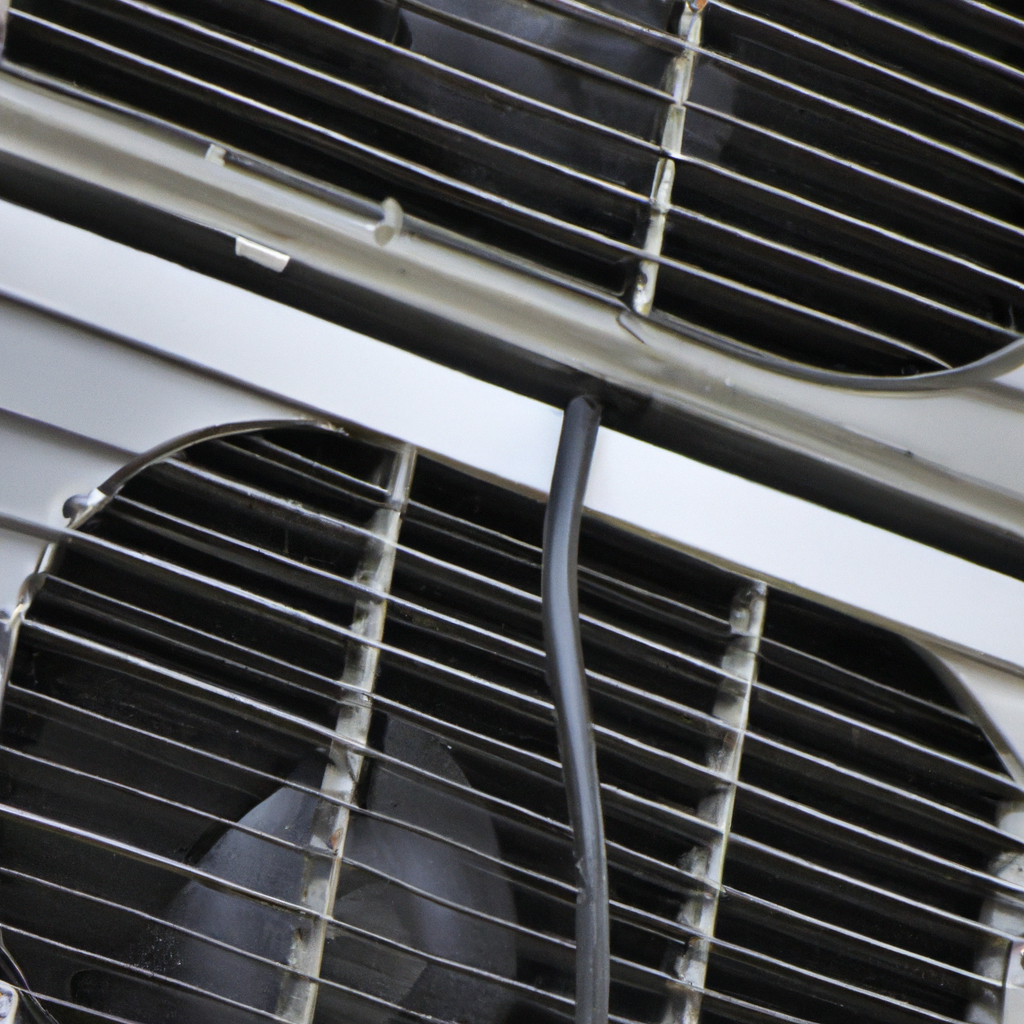
Everything You Need to Know About Air Conditioner Coils
In Summary
Air conditioner coils are crucial components that help regulate indoor temperature. There are two types: evaporator coils, which cool indoor air, and condenser coils, which release heat outside. Proper maintenance, including regular cleaning and checking for damage, is essential to ensure efficient cooling and prolong the lifespan of your AC system.
The Importance of Air Conditioner Coils
Air conditioner coils play a crucial role in the proper functioning and efficiency of air conditioning systems. Understanding their importance and the need for proper maintenance is essential for every homeowner.
Understanding the Role of Coils in Air Conditioning Systems
Air conditioner coils consist of two types: evaporator coils and condenser coils. These coils are responsible for the heat transfer process that cools and dehumidifies the indoor air.
The evaporator coils, located inside the indoor unit, absorb heat from the air as it passes through the coils. This process cools the air and removes moisture, creating a comfortable indoor environment. The cooled air is then circulated back into the living space.
On the other hand, the condenser coils, situated in the outdoor unit, release the absorbed heat into the outdoor air. This heat exchange process completes the cooling cycle, allowing the system to continuously cool the indoor air.
Why Proper Coil Maintenance is Essential
Proper maintenance of air conditioner coils is vital for several reasons. Firstly, dirty or corroded coils can significantly affect the overall performance and efficiency of the air conditioning system. When the coils are covered in dirt, dust, or debris, they become less effective at transferring heat, resulting in reduced cooling capacity and higher energy consumption.
Regular maintenance, such as cleaning the coils, helps to remove accumulated dirt and debris. This not only improves the system’s efficiency but also extends its lifespan. Neglecting coil maintenance can lead to more serious issues, such as coil freezing, reduced airflow, and potential system breakdowns.
Additionally, well-maintained coils contribute to better indoor air quality. Clean coils help prevent the growth of mold, mildew, and bacteria, which can thrive in dirty environments. These contaminants can negatively impact the air you breathe and potentially cause health issues.
To ensure proper coil maintenance, it is recommended to schedule regular cleaning and inspection by a professional technician. They have the expertise and tools to thoroughly clean the coils and identify any potential issues. Regular maintenance visits also provide an opportunity to check refrigerant levels, inspect other components, and address any concerns before they escalate.
By understanding the role of air conditioner coils and the importance of proper maintenance, homeowners can ensure the optimal performance and longevity of their cooling systems. Regular coil maintenance not only improves energy efficiency and indoor air quality but also helps to prevent potential issues that may result in costly repairs.
Types of Air Conditioner Coils
Air conditioner coils play a crucial role in the cooling process of an air conditioning system. There are two main types of coils used in air conditioners: evaporator coils and condenser coils.
Evaporator Coils
Evaporator coils are located inside the indoor unit of the air conditioner. These coils are responsible for absorbing heat from the indoor air and cooling it down. When the air conditioner is turned on, the refrigerant within the evaporator coils evaporates, drawing heat from the surrounding air. As a result, the air becomes cooler and is then circulated back into the room.
Evaporator coils are typically made of copper or aluminum due to their excellent heat transfer properties. The coils are designed with a series of fins to increase the surface area and enhance heat exchange. This allows for efficient cooling and dehumidification of the indoor air.
Condenser Coils
Condenser coils are located in the outdoor unit of the air conditioner. These coils play a vital role in releasing the heat absorbed by the evaporator coils. After absorbing heat from the indoor air, the refrigerant is transported to the outdoor unit, where it is compressed and condensed in the condenser coils.
Condenser coils are also made of copper or aluminum, and they are designed to dissipate heat effectively. The compressed refrigerant releases heat to the outdoor air as it passes through the condenser coils, causing the refrigerant to cool and return to its liquid state. This process prepares the refrigerant to repeat the cooling cycle.
Both evaporator coils and condenser coils are essential components of an air conditioning system. They work in tandem to regulate the temperature and humidity of the indoor air, ensuring a comfortable environment. Proper maintenance and regular cleaning of these coils are crucial to maintain the efficiency and performance of the air conditioner. For tips on how to clean and maintain your air conditioner coils, refer to our article on air conditioner coil cleaning.
Understanding the different types of air conditioner coils and their functions is important for homeowners who want to ensure the optimal performance of their cooling system. By keeping the coils clean and well-maintained, you can maximize the efficiency of your air conditioner and prolong its lifespan.
How Air Conditioner Coils Work
Understanding how air conditioner coils work is essential for comprehending the cooling process in air conditioning systems. These coils play a vital role in transferring heat and facilitating the refrigerant flow. Let’s explore the cooling process from the evaporator to the condenser and examine the heat transfer and refrigerant flow.
The Cooling Process: From Evaporator to Condenser
The cooling process begins with the evaporator coil, which is located inside the indoor unit of the air conditioner. The evaporator coil contains refrigerant, a chemical that easily changes from a liquid to a gas and vice versa. As warm indoor air passes over the cold evaporator coil, the refrigerant absorbs heat from the air, causing it to evaporate and turn into a gas.
The warm air is cooled down as the heat is transferred to the refrigerant. This cooled air is then circulated back into the room, providing a comfortable indoor environment. Meanwhile, the refrigerant gas moves on to the next stage of the cooling process.
The condenser coil, located in the outdoor unit of the air conditioner, receives the refrigerant gas from the evaporator coil. Here, the refrigerant is condensed back into a liquid state. This conversion from gas to liquid releases the heat that was absorbed from the indoor air.
To dissipate the heat efficiently, the condenser coil is designed with thin metal fins that increase the surface area for heat transfer. A fan blows outdoor air over the condenser coil, assisting in the release of heat into the atmosphere.
Heat Transfer and Refrigerant Flow
The cooling process relies on the principle of heat transfer. Heat naturally moves from warmer areas to cooler areas, allowing the refrigerant to absorb heat from the indoor air and release it to the outdoor environment.
Throughout the cooling process, the refrigerant circulates continuously between the evaporator and condenser coils. This circulation is facilitated by the air conditioner’s compressor, which compresses the refrigerant gas, raising its temperature and pressure. The high-pressure gas then flows to the condenser coil, where it releases heat and condenses into a liquid.
The liquid refrigerant then moves back to the evaporator coil, where it expands and evaporates again, absorbing heat from the indoor air. This continuous cycle of evaporation, condensation, and heat transfer enables the air conditioner to cool the indoor space effectively.
Understanding how air conditioner coils work provides insight into the cooling process and the importance of maintaining these coils. Proper maintenance, including regular cleaning and inspection, ensures optimal performance and energy efficiency of the air conditioning system. For more information on air conditioner coil cleaning, check out our article on air conditioner coil cleaning.
By comprehending the intricate workings of air conditioner coils, homeowners can appreciate the significance of these components in achieving a comfortable indoor environment.
Common Coil Issues and Solutions
While air conditioner coils play a crucial role in the cooling process, they can encounter certain issues that can affect the efficiency of your air conditioning system. In this section, we will discuss two common coil issues: coil corrosion and coil freezing, as well as provide some coil cleaning and maintenance tips to help you keep your coils in optimal condition.
Coil Corrosion
Coil corrosion is a common problem that can occur over time due to exposure to moisture, chemicals, or environmental factors. Corrosion on the coils can hinder their ability to transfer heat effectively, resulting in reduced cooling performance and increased energy consumption.
To address coil corrosion, it is important to regularly clean and inspect your coils. Using a mild detergent and a soft brush, gently clean the coils to remove any dirt, debris, or contaminants that may contribute to corrosion. It is crucial to avoid using harsh chemicals or abrasive materials that can further damage the coils.
Additionally, you can apply a corrosion-resistant coating to the coils as a preventive measure. These coatings create a protective barrier, reducing the risk of corrosion and extending the lifespan of your coils. However, it is recommended to consult a professional before applying any coating to ensure compatibility with your specific air conditioning system.
Coil Freezing
Coil freezing is another common issue that occurs when the evaporator coil becomes excessively cold, causing condensation to freeze on its surface. This can restrict airflow and hinder the cooling process, leading to reduced cooling capacity and potential damage to the system.
Several factors can contribute to coil freezing, including restricted airflow, low refrigerant levels, or a malfunctioning thermostat. To prevent coil freezing, it is important to address these underlying issues:
Ensure proper airflow by cleaning or replacing air filters regularly. Clogged filters can obstruct airflow, causing the coil to become too cold.
Check the refrigerant levels and repair any leaks if detected. Low refrigerant levels can lead to inadequate cooling and potential coil freezing.
Verify that the thermostat is functioning correctly and accurately detecting the temperature. A faulty thermostat can cause the coil to become too cold and freeze.
Regular coil cleaning and maintenance is crucial to prevent coil issues and ensure optimal performance of your air conditioner. Here are some additional tips to keep in mind:
Schedule professional maintenance at least once a year to have your coils inspected, cleaned, and serviced by a qualified technician. They will have the knowledge and equipment to perform a thorough cleaning and identify any potential issues.
Keep the area around the outdoor condenser unit clear of debris, vegetation, and obstructions to ensure proper airflow and prevent damage to the coils.
Consider installing a coil protection cover to shield the coils from debris, leaves, and other outdoor elements that can accumulate and impair their efficiency.
By addressing common coil issues and following proper cleaning and maintenance practices, you can ensure the longevity and optimal performance of your air conditioner. Don’t hesitate to consult a professional if you encounter any persistent coil issues or require assistance with maintenance tasks.
Maintaining Your Air Conditioner Coils
To ensure the optimal performance and longevity of your air conditioning system, regular maintenance of the coils is essential. Neglecting coil maintenance can lead to reduced cooling efficiency, increased energy consumption, and potential system malfunctions. In this section, we will discuss the importance of regular cleaning and inspection, the benefits of professional coil maintenance, and provide you with tips for maximizing coil efficiency.
Regular Cleaning and Inspection
Regular cleaning and inspection of your air conditioner coils are crucial for maintaining their efficiency. Over time, dirt, dust, and debris can accumulate on the coils, hindering heat transfer and reducing cooling efficiency. Therefore, it is recommended to clean the coils at least once a year, preferably before the start of the cooling season.
To clean the coils, start by turning off the power to the air conditioning system. Gently remove any visible debris and use a soft brush or vacuum cleaner to remove dust and dirt from the coils. Avoid using excessive force or sharp objects that may damage the delicate fins of the coils. For more detailed instructions, refer to our article on air conditioner coil cleaning.
Regular inspections are also vital to identify any signs of coil damage or issues. Look for signs of corrosion, such as rust or greenish discoloration, as this can impact the performance of the coils. If you notice any abnormalities, it is recommended to consult a professional for further evaluation and repair.
Hiring a Professional for Coil Maintenance
While regular cleaning and inspection can be done by homeowners, it is advisable to hire a professional technician for comprehensive coil maintenance. A skilled technician will have the knowledge and expertise to perform a thorough cleaning, ensure proper coil alignment, and identify any potential issues.
Professional coil maintenance also involves more intricate procedures such as coil straightening, coil fin combing, and refrigerant level checks. These tasks require specialized tools and expertise to ensure optimal performance and prevent further damage to the coils. Additionally, a professional technician can perform a comprehensive system inspection to identify any other maintenance needs, such as air conditioner filter replacement or air conditioner condenser cleaning.
Tips for Maximizing Coil Efficiency
In addition to regular cleaning and professional maintenance, there are a few tips you can follow to maximize the efficiency of your air conditioner coils:
- Keep the area around the outdoor unit clear from debris, vegetation, and obstructions to ensure proper airflow.
- Change or clean your air conditioner filters regularly to prevent dust and debris from accumulating on the coils.
- Consider using a quiet air conditioner that operates at lower noise levels, reducing the strain on the system.
- Schedule regular preventive maintenance for your entire air conditioning system, including the coils, to address any potential issues before they escalate.
By following these maintenance tips, you can ensure that your air conditioner coils remain clean, efficient, and in optimal working condition. Regular maintenance not only extends the lifespan of your air conditioning system but also helps you enjoy consistent cooling performance and energy efficiency.