
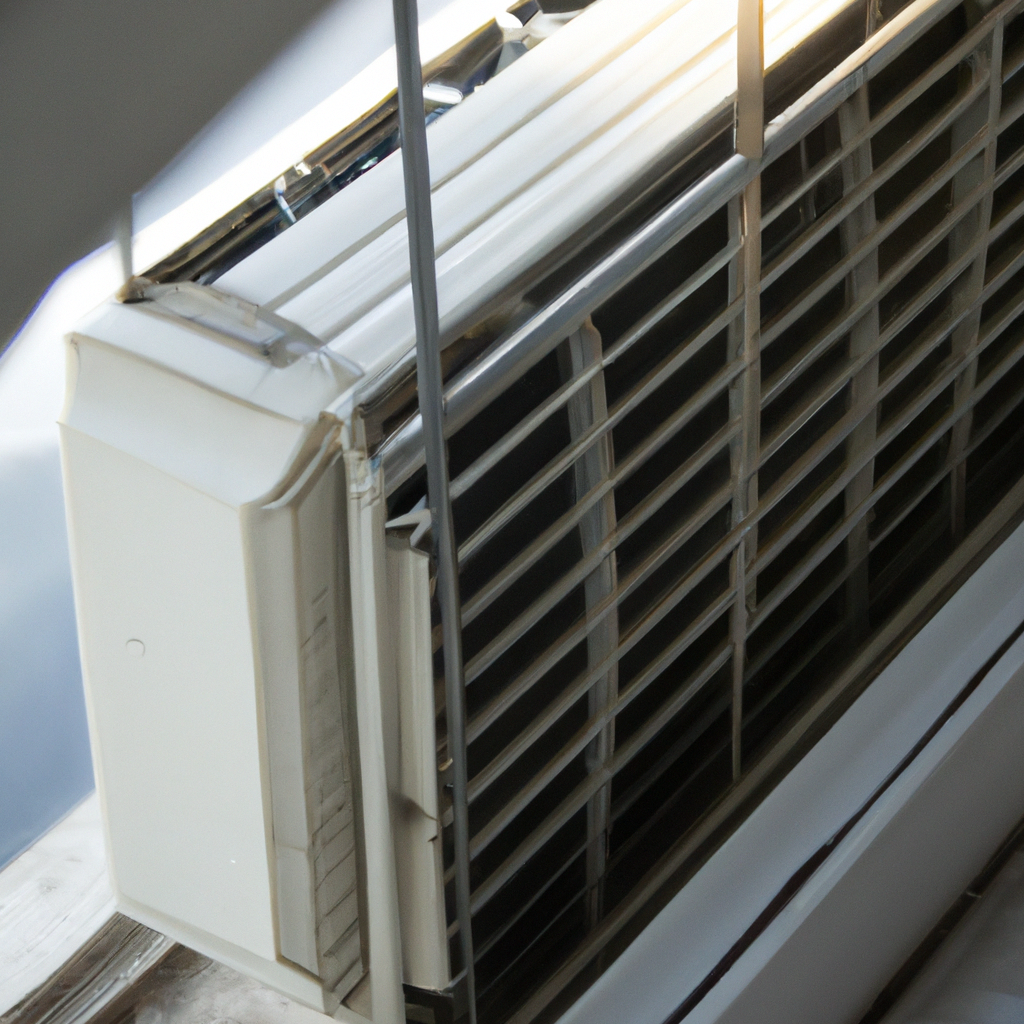
Affordable Cooling Solutions: Window Air Conditioners on a Budget
In Summary
Window air conditioners are cost-effective cooling options for those on a budget. They are easy to install, energy-efficient, and suitable for cooling single rooms or small spaces. Regular maintenance can help extend their lifespan and keep operating costs low.
Introduction to Window Air Conditioners
When it comes to finding the right cooling solution for your home, window air conditioners can be an excellent choice. As the name suggests, these air conditioners are designed to be installed in a window or a specially designed opening in a wall. They offer a convenient and cost-effective way to keep your living space cool during hot summer months.
The Importance of Cooling Solutions
In regions with hot and humid climates, having a reliable cooling solution is essential for maintaining comfort and well-being. Air conditioning plays a crucial role in creating a cool and comfortable indoor environment, allowing you to escape the sweltering heat outside. Proper cooling not only helps you stay comfortable, but it also provides relief from heat-related health issues, improves sleep quality, and enhances productivity.
Window Air Conditioners: An Affordable Option
Window air conditioners are a popular choice among homeowners for several reasons, with affordability being a key factor. Compared to other cooling options such as central air conditioning systems or ductless mini-split systems, window air conditioners are generally more budget-friendly, making them a practical choice for those looking for a cost-effective cooling solution.
In addition to their affordability, window air conditioners are also relatively easy to install and maintain. They are designed to fit into most standard-sized windows, and the installation process typically involves securing the unit in place, connecting it to a power source, and adjusting the settings to your desired temperature. For more information on installing window air conditioners, check out our article on air conditioner installation.
While window air conditioners may not offer the same level of cooling power as larger central air conditioning systems, they are still capable of effectively cooling individual rooms or small spaces. They come in a range of sizes and cooling capacities, allowing you to choose the one that best suits your needs. Remember to consider the size of the room and the BTU rating of the air conditioner when selecting the right unit for your space. To learn more about BTU ratings and how they relate to room size, refer to our article on air conditioner BTU.
In conclusion, window air conditioners provide an affordable and practical cooling solution for homeowners. They offer the convenience of easy installation and maintenance, making them a popular choice for those seeking an effective cooling solution without breaking the bank. Whether you’re looking to cool a bedroom, living room, or any other small to medium-sized space, a window air conditioner can help you beat the heat and create a comfortable indoor environment.
Benefits of Window Air Conditioners
Window air conditioners offer several benefits that make them an attractive cooling solution for homeowners. From cost-effective cooling to easy installation and maintenance, let’s explore the advantages of using window air conditioners in more detail.
Cost-Effective Cooling
One of the primary benefits of window air conditioners is their affordability. Compared to other cooling options such as central air conditioning systems, window air conditioners are generally more budget-friendly. They are a great option for individuals who want to cool specific rooms or small spaces without investing in a larger, more expensive cooling system.
Window air conditioners also provide energy-saving benefits. By cooling specific areas rather than the entire home, you can reduce energy consumption and potentially lower your utility bills. However, it’s important to consider the energy efficiency rating of the unit and choose one that meets your needs. For more information on energy-efficient air conditioners, refer to our article on energy-efficient air conditioner.
Easy Installation and Maintenance
Window air conditioners are relatively easy to install, especially if you have a compatible window or wall opening. They typically come with installation kits that include all the necessary components and instructions. With a few basic tools and some DIY skills, you can have your window air conditioner up and running in no time.
Maintenance of window air conditioners is also straightforward. Regular cleaning of the air filters and routine inspections of the unit can help keep it running efficiently. For more detailed maintenance tips, refer to our article on air conditioner maintenance.
Versatility and Portability
Another advantage of window air conditioners is their versatility and portability. Unlike built-in cooling systems, window air conditioners are not permanently fixed to a specific location. This means you can easily move them from one room to another, depending on your cooling needs. Portable air conditioners, on the other hand, offer even greater flexibility as they can be moved from room to room without the need for a window installation. To learn more about portable air conditioners, check out our article on portable air conditioner.
Window air conditioners also come in a range of sizes and cooling capacities, allowing you to choose the unit that best suits the size of your room or space. It’s important to consider the BTU rating and room size when selecting a window air conditioner. For more information on BTU ratings and room size calculations, refer to our article on air conditioner btu.
By considering the benefits of cost-effective cooling, easy installation and maintenance, and versatility and portability, you can make an informed decision when choosing a window air conditioner for your home. Remember to assess your specific cooling requirements and factor in considerations such as energy efficiency and noise levels to ensure the best cooling experience.
Factors to Consider
When selecting a window air conditioner, there are several important factors to consider to ensure that you choose the right unit for your needs. These factors include the BTU rating and room size, energy efficiency, and noise levels. Let’s explore each of these factors in more detail.
BTU Rating and Room Size
The BTU (British Thermal Unit) rating of an air conditioner is a measure of its cooling capacity. It indicates how much heat the unit can remove from a room in a given time. Choosing the appropriate BTU rating for your room size is crucial for optimal cooling efficiency.
To determine the right BTU rating, consider the square footage of the room you want to cool. Here is a general guideline:
| Room Size (Square Footage) | Recommended BTU Rating |
|---|---|
| Up to 150 sq. ft. | 5,000 – 6,000 BTU |
| 150 – 250 sq. ft. | 6,000 – 8,000 BTU |
| 250 – 350 sq. ft. | 8,000 – 10,000 BTU |
| 350 – 450 sq. ft. | 10,000 – 12,000 BTU |
| 450 – 550 sq. ft. | 12,000 – 14,000 BTU |
Keep in mind that factors such as high ceilings, sunlight exposure, and insulation quality may require adjustments to the recommended BTU rating. For a more accurate calculation, consult the manufacturer’s guidelines or seek professional advice.
Energy Efficiency
Energy efficiency is an important consideration when choosing a window air conditioner. An energy-efficient unit can help reduce electricity consumption and lower your cooling costs. Look for air conditioners with an Energy Star certification, as these models meet strict energy efficiency guidelines set by the Environmental Protection Agency (EPA).
To determine the energy efficiency of an air conditioner, check its Energy Efficiency Ratio (EER) or Seasonal Energy Efficiency Ratio (SEER) rating. A higher EER or SEER rating indicates better energy efficiency. Additionally, look for features such as programmable timers and sleep modes that can help optimize energy usage.
Noise Levels
Noise levels can significantly impact your comfort when using a window air conditioner, especially if you plan to install the unit in a bedroom or living area. Look for air conditioners that have a low noise level rating, typically measured in decibels (dB). A lower dB rating indicates a quieter operation.
Some air conditioners come with features like a “quiet mode” or “sleep mode” that automatically adjust the fan speed and compressor operation to minimize noise levels. Consider these features if noise is a concern for you.
By considering the BTU rating and room size, energy efficiency, and noise levels, you can make an informed decision when choosing a window air conditioner that meets your cooling needs. For more information on air conditioner maintenance and troubleshooting, visit our article on air conditioner maintenance.
Features to Look for
When searching for an affordable window air conditioner, it’s important to consider the specific features that will enhance your cooling experience. Here are three key features to look for when selecting a window air conditioner: adjustable thermostat, fan speeds and modes, and air filters and purification.
Adjustable Thermostat
An adjustable thermostat is a crucial feature in a window air conditioner as it allows you to set and maintain your desired temperature. With this feature, you can easily customize the cooling level to suit your comfort needs. Once the set temperature is reached, the air conditioner will automatically cycle on and off to maintain the desired temperature. This not only keeps your room cool and comfortable but also helps to conserve energy.
Fan Speeds and Modes
Window air conditioners often come with multiple fan speeds and modes to provide flexibility and adaptability. The fan speeds allow you to choose between low, medium, and high settings based on your cooling requirements. Having the option to adjust the fan speed is beneficial as it enables you to control the airflow and noise level of the air conditioner.
In addition to fan speeds, certain air conditioners offer different modes such as cooling mode, fan-only mode, and energy-saving mode. The cooling mode is ideal for hot summer days, while the fan-only mode circulates air without cooling. Energy-saving mode helps conserve energy by optimizing the air conditioner’s performance. These modes give you the freedom to choose the most suitable setting for your specific needs.
Air Filters and Purification
Clean air is essential for a comfortable and healthy living environment. Look for a window air conditioner that incorporates air filters and purification features. These filters help to trap dust, pollen, and other airborne particles, improving the air quality inside your home. Regularly cleaning or replacing the filters is crucial to maintain optimal performance. For more information on air conditioner filters, check out our article on air conditioner filters.
Some advanced window air conditioners also offer additional purification features such as ionizers or UV lamps. These features work to eliminate bacteria, viruses, and odors, further enhancing the quality of air in your space. However, it’s important to note that these additional features may come at a higher cost. Consider your specific needs and budget when deciding which air purification features are necessary for you.
By considering these features when shopping for a window air conditioner, you can find an affordable option that meets your cooling needs and provides a comfortable indoor environment. Remember to also consider other factors such as BTU rating and room size, energy efficiency, and noise levels to ensure you make an informed decision. For more information on buying and installing air conditioners, refer to our article on air conditioner installation.
Tips for Buying and Installing
To ensure a successful purchase and installation of a window air conditioner, there are a few key tips to keep in mind. These tips will help you choose the right unit for your needs, properly place and install it, and maintain it effectively.
Proper Sizing and Placement
Before purchasing a window air conditioner, it’s crucial to determine the correct size for your space. BTU (British Thermal Unit) rating is used to measure an air conditioner’s cooling capacity. The higher the BTU rating, the larger the area the unit can effectively cool. Use our guide on air conditioner BTU to determine the appropriate BTU rating for your room size.
In terms of placement, choose a window that provides good airflow and access to an electrical outlet. Avoid obstructing the airflow with curtains, blinds, or furniture. It’s also important to consider the dimensions of the unit and ensure it fits securely in the window frame. For a step-by-step guide on installation, refer to our article on air conditioner installation.
Energy Efficiency Considerations
When shopping for a window air conditioner, consider its energy efficiency rating. Look for units with an ENERGY STAR® certification, as they meet strict energy efficiency guidelines set by the Environmental Protection Agency. These units are designed to consume less energy, which can help reduce your electricity bills. For more information on energy-efficient air conditioners, check out our article on energy-efficient air conditioner.
Additionally, pay attention to the EER (Energy Efficiency Ratio) of the unit. The higher the EER, the more energy-efficient the air conditioner is. Selecting an air conditioner with a high EER will not only save you money but also reduce your environmental impact.
Maintenance and Cleaning Tips
Proper maintenance is essential to keep your window air conditioner running efficiently and prolong its lifespan. Regularly clean or replace the air filters to ensure optimal airflow and prevent dust and debris from accumulating. Refer to our article on air conditioner filter replacement for detailed instructions.
In addition to filter maintenance, it’s important to clean the condenser coils and remove any dirt or debris that may accumulate over time. This helps maintain the unit’s cooling efficiency. Check out our article on air conditioner coil cleaning for step-by-step instructions.
Lastly, schedule regular maintenance checks with a certified technician to inspect and service your window air conditioner. They can identify and address any potential issues before they escalate. If you encounter any problems with your unit, refer to our article on air conditioner troubleshooting for common solutions.
By following these tips for buying, installing, and maintaining your window air conditioner, you can ensure a comfortable and efficient cooling experience throughout the hot summer months.